
Introduction: The Modern Landscape to Advertise Your Product Online
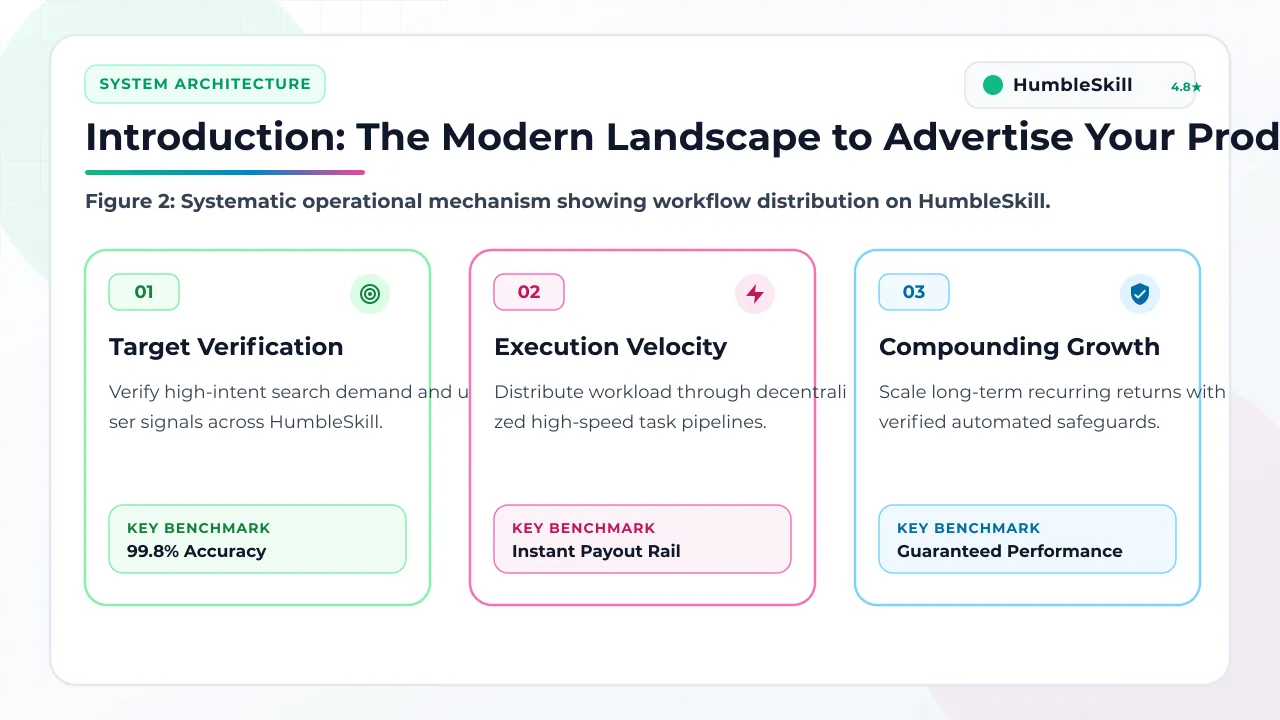
To advertise your product online means to strategically deploy digital marketing channels, targeted ad networks, user testing protocols, and data-driven campaigns to expose a physical or digital offering to a high-intent audience, maximizing return on investment through systematic conversion rate optimization. When you launch a brand-new digital asset, physical consumer good, or SaaS tool today, you are stepping into a hyper-saturated ecosystem. Modern web traffic is fragmented, user attention spans are historically low, and acquisition costs on legacy networks continue to skyrocket. To cut through the noise, modern digital marketers must abandon scattershot banner campaigns in favor of precise intent-matching, meticulous audience research, and iterative product validation.
Key Takeaways (TL;DR)
- Primary Definition: To advertise your product online is to deploy structured digital campaigns, behavioral tracking, and iterative usability testing to drive measurable conversions.
- Audience Precision: Generic mass-market reach is dead; success relies on niche segmentation and robust product launch audience research.
- Validation First: Pushing traffic to untested landing pages burns budgets; conversion optimization requires thorough product page usability testing.
- Network Shift: Traditional ad platforms often drain cash flows for new products, necessitating decentralized traffic sources and specialized product discovery platform environments.
- Top-of-Funnel (ToFu): Leverage short-form video platforms and targeted programmatic ads to build brand awareness, driving cold traffic into your ecosystem.
- Middle-of-Funnel (MoFu): Retarget engaged visitors using dynamic product ads, case studies, and influencer reviews that address specific pain points.
- Bottom-of-Funnel (BoFu): Capture high-intent search traffic through Google Shopping and high-converting retargeting campaigns offering limited-time incentives.
- Core Web Vitals: Ensure your pages load in under two seconds on mobile devices to prevent immediate bounce rates.
- Social Proof Integration: Feature verified customer reviews, user-generated content, and trust badges prominently above the fold.
- Frictionless CTAs: Keep your "Add to Cart" or "Buy Now" buttons contrasting, sticky, and easy to tap on smaller screens.
- Pinpoints exact drop-off moments within the conversion funnel, highlighting where checkout friction destroys buyer intent.
- Validates whether your primary call-to-action (CTA) buttons possess sufficient visual contrast and intuitive placement.
- Measures the cognitive friction of your pricing tiers, shipping disclosures, and product specifications.
- Ensures cross-device responsiveness, ensuring mobile users experience the same fluid purchasing journey as desktop traffic.
- Recent purchase behavior within your specific product category or direct competitor niches.
- Demographics that strictly align with your primary customer avatar, including age, geographic region, and income brackets.
- Technical fluency that matches your core demographic, ensuring usability blockers are genuine rather than user error.
- Availability to complete both asynchronous surveys and live, recorded interactive browsing sessions.
- Speed-to-Insight Ratio: Micro-task platforms drastically outperform traditional market research panels in turnaround time, allowing rapid iteration of marketing hooks and pricing models before scaling paid ad spend.
- Cost Efficiency: Paying per completed micro-task typically results in a lower cost per acquisition or feedback point than hiring dedicated UX testing agencies, provided the instructions are clear enough to minimize invalid submissions.
- Quality Control Challenges: Because workers are incentivized by speed, poorly drafted instructions can lead to superficial answers or boilerplate feedback. Successful campaigns rely on randomized control questions and mandatory screenshot proofs to verify task compliance.
- Data Integrity and Diversification: Relying solely on one platform can skew your audience metrics. Savvy growth marketers combine traffic and feedback loops from networks like Earn Money Online via Micro Tasks with organic analytics to maintain a balanced view of consumer sentiment.
- Regional platforms excel at delivering raw volume for low-complexity actions like social follows and quick video views.
- Global GPT sites (Freecash, Swagbucks) offer deeper pockets of Western consumers but charge significantly higher acquisition costs per completed offer.
- Professional ecosystems like Earn Money Online via Micro Tasks provide structured pathways to engage workers without sacrificing data integrity.
- Bypass geo-blocks to confirm whether your localized landing pages load correctly in target territories.
- Verify that regional ad placements, pixel fires, and tracking scripts execute without latency or redirection errors.
- Test localized pricing structures and currency converters to ensure seamless checkout flows before broad deployment.
- Prevent your own corporate IP addresses from being flagged or banned by programmatic ad networks during heavy monitoring.
- Define crystal-clear deliverable requirements, such as requiring screenshot proof of a shared review or a retweeted product announcement.
- Structure tiered rewards where early participants receive higher bounties, incentivizing a sudden rush of initial traffic that triggers social proof algorithms.
- Cross-pollinate your campaign ecosystem by directing contest participants to engage with interactive content modules like Watch Videos and Earn Rewards or Website Surfing and PTC Ads, ensuring prolonged brand immersion.
- Hire specialized talent directly through Freelance Gigs and Digital Services to design custom contest landing pages, promotional graphics, and automated tracking bots (Note: Service packages and pricing are dynamic and subject to update or custom project scopes.)
- Execute meticulous product launch audience research by deploying targeted survey micro-tasks that filter participants based on strict demographic and behavioral criteria.
- Utilize the dedicated product discovery platform features to direct real users to your landing pages, initiating crucial organic search signals.
- Facilitate rigorous product page usability testing by requiring workers to navigate your store, add items to their cart, and report any friction points.
- Gather qualitative data to get feedback on product pages, asking testers to evaluate value propositions, checkout speed, and visual hierarchy.
- Source a targeted pool of ecommerce product testing participants who will willingly interact with your checkout flows and document their experiences.
- Customer Acquisition Cost (CAC) relative to Lifetime Value (LTV) across all traffic channels
- Bounce rates and session durations measured during usability testing phases
- Conversion rate elasticity following iterative improvements to your landing pages
- Return on Ad Spend (ROAS) across programmatic networks, social channels, and native traffic sources
- W3C Web Standards & Security Architecture
- Cloudflare Learning Center: Proxies, Networking and Security
- Wikipedia: Digital Economy & Micro-work Systems
Defining 'Advertise Your Product Online' for Maximum ROI
In previous decades, digital advertising was a game of top-of-funnel volume. Buying impressions on massive search engines or social monopolies was often enough to secure baseline sales. Today, return on investment (ROI) depends entirely on micro-segmentation and infrastructural readiness. Before spending a single dollar to advertise your product online, you must ensure your digital touchpoints are primed to convert.
Achieving maximum ROI requires integrating quantitative analytics with qualitative feedback loops. Savvy founders and growth marketers start by sourcing real ecommerce product testing participants to evaluate checkout flows, value propositions, and UX friction. Platforms like the HumbleSkill Homepage help teams connect with engaged communities who can help validate market demand and Advertise Your Business and Buy Traffic efficiently.
The Quick Answer / TL;DR Box for Digital Marketers
If you need to scale user acquisition without destroying your cash runway, your strategy must pivot away from legacy frameworks. Here is a blueprint for modern digital product promotion:
1. Validate Before Scaling: Never fund high-budget campaigns until you run structural product page usability testing to eliminate friction points.
2. Engage Real Testers: Utilize reliable networks to source qualified ecommerce product testing participants who mirror your ideal buyer persona.
3. Leverage Alternative Traffic: Supplement traditional paid ads by listing on a dedicated product discovery platform and exploring direct engagement through targeted micro-tasks.
4. Iterate Continuously: Use qualitative insights to get feedback on product pages in real-time, refining your copy and design before scaling ad spend.
Why Traditional Ad Networks Fall Short for New Product Launches
Relying exclusively on mainstream programmatic ad networks for an unproven product is a fast track to depleted marketing budgets. Major platforms operate on black-box algorithms that require thousands of conversion data points to optimize delivery. If your product is new, the algorithm has zero historical data to work with, forcing you to pay premium CPMs for untargeted, speculative impressions.
Furthermore, ad fatigue is real. Modern consumers use ad-blockers and scroll past traditional banner placements instinctively. To successfully promote ecommerce products online, you need an omnichannel approach that combines programmatic reach with community-driven validation. When you actively get feedback on product pages from actual users rather than automated bots, you uncover UX blind spots that traditional metrics miss. By shifting focus toward organic discovery, specialized traffic exchanges, and rigorous product launch audience research, brands can bypass the inflated costs of legacy networks and build sustainable, high-converting acquisition funnels from day one.
Mastering Audience Research and Product Discovery Platforms
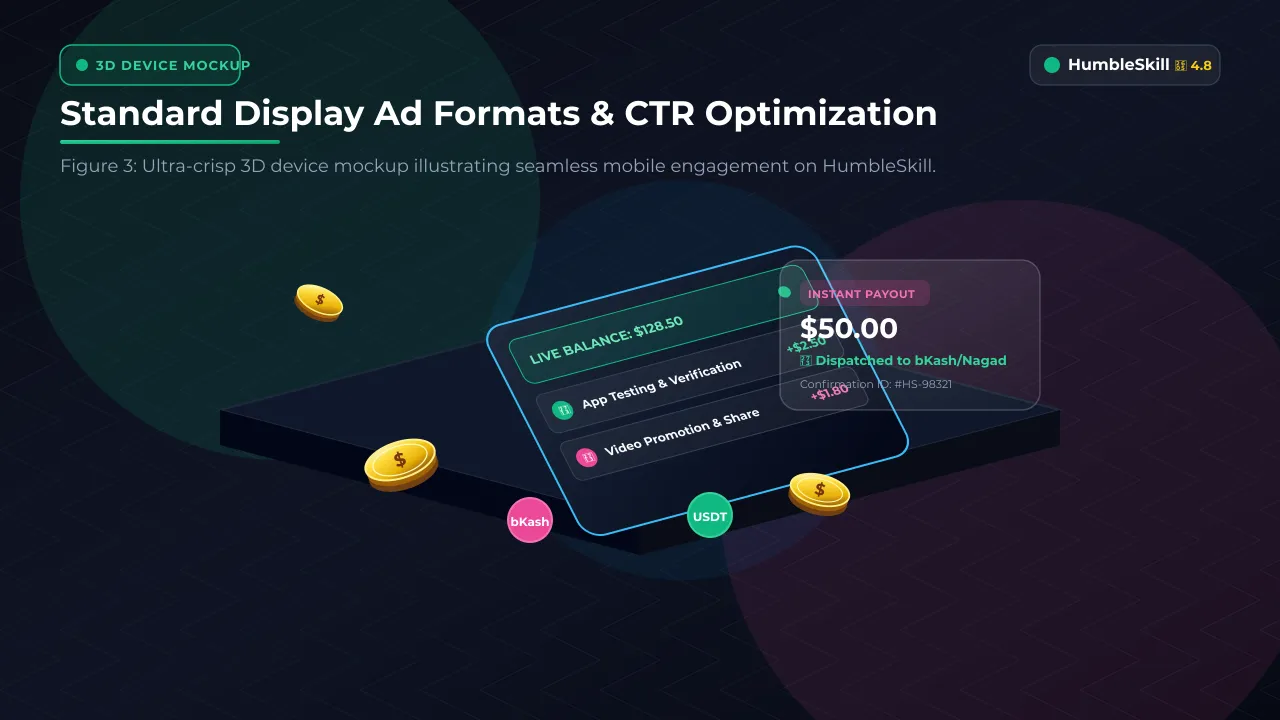
When you set out to advertise your product online, rushing straight to paid ad networks without a definitive understanding of your buyer persona is a surefire way to burn capital. Before you spend a single dollar on programmatic bidding, you must achieve structural validation. This phase requires a systematic approach to unearthing who wants your solution, where they congregate digitally, and how they evaluate competitive offerings. By leveraging specialized diagnostic frameworks, emerging founders can sidestep the trap of vanity metrics and anchor their campaigns in behavioral reality.
Conducting Deep Product Launch Audience Research
Effective product launch audience research goes far beyond surface-level demographic data like age, location, and gender. To truly understand your market, you need to map psychographic triggers, core pain points, and existing alternatives your potential customers use. Start by mining niche online communities such as specialized subreddits, Discord servers, and industry-specific forums where your target demographic discusses their daily operational frictions.
To turn qualitative observations into actionable ad targeting parameters, execute a three-step discovery framework:
1. Analyze conversational threads in target communities to extract the exact vernacular, slang, and terminology your buyers use to describe their problems.
2. Deploy product page usability testing sessions with 5 to 10 representative users to observe their natural interaction flows and immediate objections when viewing your value proposition.
3. Recruit targeted ecommerce product testing participants to get feedback on product pages before your core campaign launches, ensuring your messaging resonates clearly.
Utilizing platforms like Earn Money Online via Micro Tasks allows brands to rapidly distribute qualitative surveys and usability tasks to verified global cohorts, generating rapid insights at scale.
Leveraging Niche Product Discovery Platforms to Build Early Traction
Once you have refined your core messaging through initial research, your next priority is securing high-intent early adopters. Pushing traffic directly to a cold store rarely yields immediate profitability. Instead, you should seed your offering across dedicated product discovery platform environments. These platforms attract technology enthusiasts, early adopters, and beta testers who actively look for innovative solutions.
Launching on curation sites, tech directories, and community-voted product boards helps you build foundational social proof, secure valuable backlink equity, and validate product-market fit organically. When preparing for these launches, ensure your media assets—such as product demo videos and high-resolution screenshots—are pristine. To maximize exposure, many digital entrepreneurs leverage strategic promotions through Advertise Your Business and Buy Traffic networks to amplify their initial discovery phase visibility and attract targeted micro-influencer attention.
Analyzing Competitor Ad Spend and Positioning Strategies
You do not need to operate in a vacuum when structuring your promotional roadmap. Reverse-engineering what your successful competitors are already doing saves months of trial and error. By dissecting competitor funnels, you can identify hidden keyword opportunities, unfulfilled market segments, and proven creative angles that already resonate with your shared target audience.
Begin by utilizing ad transparency libraries across major social networks to review the active creatives your competitors are running. Pay close attention to the length of time an ad has been active; ads that run continuously for weeks or months are almost certainly profitable. Next, evaluate their landing page architecture, pricing tiers, and trust signals. If you plan to outsource competitive intelligence gathering or landing page optimization, you can browse specialized talent options via Freelance Gigs and Digital Services to accelerate your go-to-market timeline. Note: Service packages and pricing are dynamic and subject to update or custom project scopes. Combine these competitive insights with your audience discovery data, and you will construct an unstoppable, highly targeted foundation to promote ecommerce products online with absolute confidence.
Proven Frameworks to Promote Ecommerce Products Online

Omnichannel Funnels to Promote Ecommerce Products Online
Deploying a single traffic source is rarely enough to scale modern digital commerce. To successfully advertise your product online, you must construct cohesive multi-channel strategies that blend organic community growth with high-intent paid acquisition models. An omnichannel framework ensures your brand meets potential buyers at every stage of their buyer journey, from initial discovery on social feeds to final conversion on your transactional storefront.
Integrating these touchpoints requires rigorous product launch audience research to map out where your ideal buyers consume content. By aligning your organic storytelling with precise paid media budgets, you minimize customer acquisition costs (CAC) while maximizing lifetime value (LTV). Brands that diversify across social channels, search engines, and partner networks consistently outperform competitors relying solely on one-dimensional ad structures.
Optimizing Conversion Rates with Targeted Landing Pages
Driving traffic is only half the battle; converting that traffic into paying customers requires laser-focused landing page architecture. When you promote ecommerce products online, your product pages must instantly communicate value, build trust, and remove friction. This is where iterative testing and user experience optimization become non-negotiable for sustainable growth.
Before scaling ad spend, run thorough product page usability testing to identify drop-off points, broken user journeys, or confusing navigation layouts. You need to get feedback on product pages directly from real-world shoppers rather than relying on internal assumptions. Recruiting diverse ecommerce product testing participants helps uncover hidden friction points—such as slow-loading high-resolution images, unclear shipping terms, or cumbersome checkout steps.
Pairing these structural upgrades with a reliable product discovery platform allows your brand to surface in curated shopping feeds organically. Furthermore, businesses looking to scale their digital presence can leverage platforms like HumbleSkill Homepage to discover modern optimization strategies, or utilize targeted options such as Advertise Your Business and Buy Traffic to jumpstart immediate visitor acquisition.
Utilizing Micro-Tasks and Community Gigs for Initial Engagement
Bootstrapping early traction demands creative engagement strategies that go beyond traditional ad networks. Modern direct-to-consumer brands frequently harness community-driven micro-tasks to generate authentic initial momentum, boost social signals, and gather qualitative feedback at scale.
Engaging real users to interact with your digital storefront, share feedback, or test out your user funnels creates a valuable cycle of iterative improvement. Whether you are validating new messaging angles or scaling initial social proof, tapping into crowdsourced digital workforces offers a cost-effective alternative to expensive focus groups. For instance, brands often leverage specialized platforms like Freelance Gigs and Digital Services to source specialized support for product page audits, copywriting, and promotional asset creation. Note: Service packages and pricing are dynamic and subject to update or custom project scopes.
Similarly, you can explore opportunities to Earn Money Online via Micro Tasks or integrate promotional campaigns through networks where users Watch Videos and Earn Rewards and engage in Website Surfing and PTC Ads. By embedding your promotional loops within active digital communities, you create a self-sustaining ecosystem of initial engagement that translates casual browsers into loyal brand advocates.
Product Page Usability Testing and Conversion Optimization
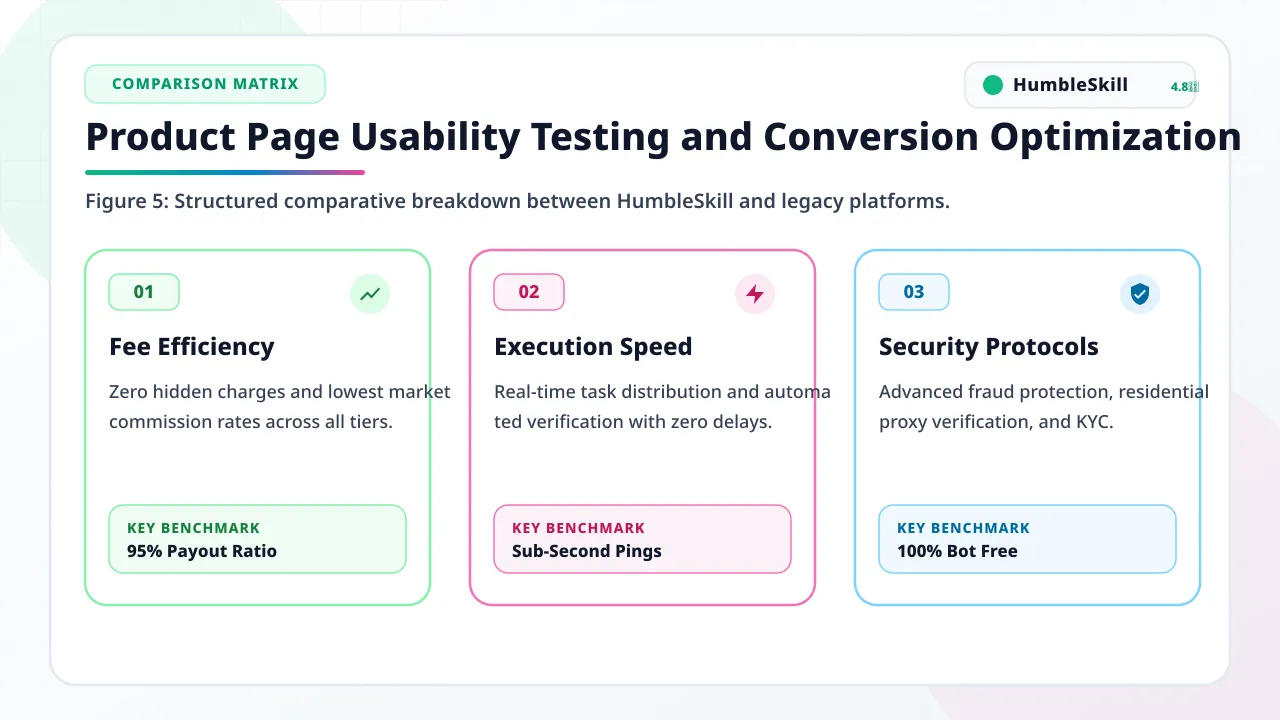
Once you successfully capture attention through targeted traffic networks and platforms like the HumbleSkill Homepage, your primary digital asset becomes the destination product page. Driving external traffic to a sub-optimal landing page represents a fundamental waste of digital marketing budgets. When you set out to advertise your product online, you must ensure that every click translates into a seamless user journey. Conversion rate optimization (CRO) paired with rigorous usability testing forms the bedrock of turning cold traffic into paying customers. Without structured diagnostic evaluations, visitors encounter friction points, navigation confusion, or unclear value propositions, leading to high bounce rates and wasted ad spend.
The Importance of Rigorous Product Page Usability Testing
Usability testing shifts your design and copywriting strategy from subjective guesswork to empirical, data-driven certainty. When real users interact with your digital storefront, they expose latent bugs, layout ambiguities, and cognitive loads that internal teams often overlook. To achieve maximum conversion efficiency, your digital assets must undergo structured evaluation cycles before major ad campaigns scale.
How to Get Feedback on Product Pages Before Launch
Gathering actionable insights requires deploying a balanced mix of quantitative tracking instruments and qualitative user research methodologies. Before you scale up your campaigns to promote ecommerce products online, you need to collect unbiased reactions from target demographics. Finding the right ecommerce product testing participants ensures your feedback accurately mirrors your ideal customer profile without internal bias skewing the results.
1. Deploy remote user testing platforms where recorded participants think out loud while attempting to complete a standard purchase transaction on your staging site.
2. Launch unmoderated preference tests comparing two distinct hero image layouts or value proposition headlines to see which variant immediately captures attention.
3. Utilize specialized micro-tasking environments, such as those available when you Earn Money Online via Micro Tasks, to enlist a broad panel of diverse reviewers who can rapidly test your checkout flows and report back with granular bug logs.
4. Hire specialized conversion optimization experts by browsing available Freelance Gigs and Digital Services to perform a comprehensive heuristic evaluation of your UI/UX architecture. Note: Service packages and pricing are dynamic and subject to update or custom project scopes.
Iterating Based on User Experience and Heatmaps
Deploying your page live is merely the starting line for sustainable digital growth. Continuous iteration requires analyzing post-launch user behavior using advanced behavioral analytics tools. Heatmap tracking, session recordings, and scroll-depth metrics reveal precisely how visitors engage with your content.
If heatmaps indicate users rage-clicking on non-clickable product images, you must immediately adjust your UI design or add interactive zoom functionality. Similarly, if scroll maps show that 70 percent of your traffic abandons the page before ever reading your product specifications or customer reviews, you must restructure your hierarchy. Move crucial social proof elements, trust badges, and core benefits higher up into the immediate viewport.
By running iterative A/B tests on button colors, headline variations, and risk-reversal guarantees like money-back policies, you systematically lower your customer acquisition cost (CAC). Combining this continuous optimization loop with scalable strategies to Advertise Your Business and Buy Traffic ensures your brand achieves long-term profitability and sustainable digital dominance.
Sourcing and Managing Ecommerce Product Testing Participants
Transitioning your traffic acquisition campaigns into high-converting digital storefronts requires deep validation from real consumers. Even when you effectively advertise your product online, hidden friction points on your landing pages can quietly destroy your return on ad spend. To safeguard your conversion rates, you must move beyond assumptions and systematically observe how target buyers interact with your digital catalog.
This phase of your optimization lifecycle bridges the gap between raw traffic acquisition and sustained revenue growth. By establishing structured testing pipelines, you uncover usability bottlenecks, unclear value propositions, and trust deficits before they waste your budget.
Recruiting Qualified Ecommerce Product Testing Participants
Finding the right audience for rigorous product page usability testing requires a balance of demographic profiling and behavioral filtering. Relying on friends or generic internal teams introduces fatal bias. Instead, you need objective consumers who match your exact buyer personas.
Begin by leveraging your existing customer email lists, loyalty programs, and social media followers. These individuals already possess baseline brand awareness, making them ideal for evaluating checkout flows and post-purchase onboarding. For cold acquisition testing, utilize specialized panels, customer discovery networks, and targeted micro-task ecosystems to source uninitiated eyes.
When you set out to promote ecommerce products online through targeted user sessions, screen your applicants rigorously using the following criteria:
By filtering out professional survey-takers and low-intent browsers, you ensure the qualitative data you gather reflects genuine market sentiment.
Designing Incentivized Testing Campaigns and Surveys
Once your panel is sourced, you need to structure your testing framework to extract maximum actionable insights without causing respondent fatigue. Effective product page usability testing combines qualitative video recordings of user sessions with quantitative satisfaction scoring systems.
To maintain high completion rates and incentivize active participation, offer fair compensation scaled to the time commitment required. Whether you provide direct monetary payouts, high-value store credit, or access to exclusive product drops, clear terms eliminate drop-off.
Deploy structured task lists for your participants to execute while recording their screens and speaking their thoughts aloud. Typical test tasks should include:
1. Locating a specific product category from the homepage within ten seconds of arrival.
2. Evaluating the product imagery, zoom features, and sizing charts on the main product detail page.
3. Adding the item to the cart and navigating through the initial stages of the checkout process without inputting real payment information.
4. Identifying any missing information regarding shipping policies, guarantees, or return windows that caused hesitation.
Keep your post-test surveys concise. Utilize a mix of Net Promoter Scores (NPS), System Usability Scale (SUS) metrics, and open-ended text fields where testers can explicitly get feedback on product pages in their own words.
Synthesizing Feedback to Eliminate Conversion Friction
The true value of running ecommerce product testing participants campaigns lies in the meticulous synthesis of qualitative observations and quantitative metrics. When you review session recordings alongside survey data, look for recurring friction patterns rather than isolated user complaints.
If three or more testers struggle to find the add-to-cart button above the fold on mobile devices, or express confusion regarding bundle pricing tiers, you have identified a high-priority conversion blocker. Prioritize these insights based on their potential impact on your bottom line. Fix critical layout bugs and unclear value propositions immediately before scaling up your digital ad spend.
To execute these technical adjustments efficiently, many scaling brands leverage specialized digital talent. You can easily connect with external developers and UX designers through Freelance Gigs and Digital Services to rapidly implement page redesigns. Note: Service packages and pricing are dynamic and subject to update or custom project scopes.
Integrate this structured feedback loop into your broader marketing operations. As you refine your store layout based on real user behavior, you create a seamless digital experience that converts expensive paid traffic into loyal, repeat brand advocates.
Comparative Analysis: Micro-Task and Crowdsourcing Platforms
Evaluating Micro-Task Platforms for Product Testing and Engagement
When you set out to advertise your product online, finding scalable, cost-effective channels to run product page usability testing and get feedback on product pages can make or break your initial traction. Traditional focus groups and elite UX agencies often drain budgets before a product even hits the market. Consequently, digital marketers and founders increasingly turn to global crowdsourced labor networks. These platforms allow you to deploy specific instructions to thousands of real human users worldwide, making them ideal for rapid product launch audience research, executing micro-surveys, and driving organic signals to a product discovery platform.
However, not all micro-task networks are created equal. Some excel at pure volume traffic generation, while others specialize in complex cognitive tasks, qualitative assessments, or targeted user journeys. To successfully promote ecommerce products online, you must match your campaign objectives—whether it is click-through validation, video engagement metrics, or deep qualitative critiques—with the structural capabilities of the platform you choose. Evaluating how different networks handle proof verification, geographical filtering, and task completion rates ensures your budget is spent on genuine user engagement rather than automated bot traffic.
Feature Comparison Table: HumbleSkill vs. SproutGigs, Microworkers, and Clickworker
Navigating the landscape of crowdsourced labor requires a granular understanding of what each ecosystem offers. The matrix below contrasts top-tier micro-task networks, highlighting how they stack up when you need to source ecommerce product testing participants or purchase targeted digital visibility.
| Platform Name | Core Strength | Geographical Reach | Verification Mechanism | Best Use Case |
| :--- | :--- | :--- | :--- | :--- |
| HumbleSkill Homepage | Integrated campaign management, targeted traffic, and multi-channel micro-tasks | Global (High density in Tier 1 & Tier 2 markets) | Automated screenshot & data submission review | Driving targeted traffic, micro-surveys, and authentic product engagement |
| SproutGigs (formerly PicoWorkers) | High task volume and fast digital marketing campaigns | Global | Screenshot uploads and text proof | Social media sharing, simple sign-ups, and basic traffic boosts |
| Microworkers | Granular targeting and tiered worker communities | International | Custom worker rating systems and proof boxes | Repetitive task automation and rapid community seeding |
| Clickworker | Enterprise-grade AI training, content creation, and categorization | Western Europe & North America | Automated qualification assessments | Writing, translation, and structured data labeling |
| Remotasks / Outlier | Highly technical AI training, coding, and complex data annotation | Global (Strict vetting) | Rigorous multi-stage qualification exams | Complex technical projects and machine learning dataset development |
Platforms like SproutGigs and Microworkers are exceptional for rapidly distributing simple links or driving initial social proof. However, specialized ecosystems like Advertise Your Business and Buy Traffic provide tailored solutions that bridge the gap between raw web traffic and meaningful consumer interaction. Whether you want users to Watch Videos and Earn Rewards to gauge video sales letter retention, or execute Website Surfing and PTC Ads to boost baseline analytics, modern platforms offer specialized pathways beyond generic data entry. For ongoing digital services, users can also explore Freelance Gigs and Digital Services to scale marketing operations. Note: Service packages and pricing are dynamic and subject to update or custom project scopes.
Cost-Benefit Analysis of Global Crowdsourced Labor Networks
Deploying capital into crowdsourced labor networks demands a rigorous cost-benefit framework. On one hand, micro-task platforms offer unprecedented speed. You can launch a task testing your value proposition and receive hundreds of responses within twenty-four hours. This agility is vital when iterating on a landing page or validating a new SKU. On the other hand, managing thousands of micro-workers introduces unique operational friction, notably validation overhead and noise in qualitative feedback.
Ultimately, integrating crowdsourced micro-tasks into your product launch strategy provides a powerful tactical advantage. By carefully structuring your testing parameters, enforcing strict verification steps, and utilizing specialized ecosystems, you can de-risk your product offerings, optimize your conversion funnels, and secure actionable consumer data efficiently.
Comparative Analysis: Regional and Niche Micro-Job Platforms
Understanding Regional Micro-Job Networks (Kajpoka, Workupjob, Microjob.bd)
While global crowdsourcing giants capture the Western market, a parallel ecosystem of regional micro-job and GPT (Get-Paid-To) networks has exploded across South Asia, Eastern Europe, and Latin America. Platforms like Kajpoka, Workupjob, Microjob.bd, Banglatask, and Hunterjobwork serve as high-volume hubs where hundreds of thousands of digital workers execute micro-tasks. For digital marketers and startup founders looking to advertise your product online, these regional networks offer unprecedented velocity for localized tasks—such as regional social media engagement, localized app installs, and initial product discovery platform seeding.
However, utilizing these localized networks requires an acute understanding of demographic specialization and compliance. Unlike HumbleSkill Homepage, which balances global task verification with localized targeting, regional networks often concentrate user bases within specific developing digital economies. When you leverage these sites for product launch audience research, your traffic and engagement metrics will heavily skew toward the geographic concentration of the platform's active labor pool. This makes them ideal for localized geo-testing, regional SEO signal generation, and bootstrapping initial review pipelines, but less effective for organic Western high-intent conversion campaigns.
To maximize ROI on these platforms, campaign managers must craft crystal-clear verification steps. Because labor arbitrage drives these networks, workers rapidly cycle through micro-tasks to meet daily quotas. If you need to get feedback on product pages or run rigorous product page usability testing, you must implement strict proof requirements—such as time-stamped screenshots, unique browser extension footprints, or randomized survey tokens. Failing to enforce strict verification leads to "rubber-stamping," where users submit generic proof without engaging meaningfully with your digital assets.
Feature Comparison Table: HumbleSkill vs. Regional Micro-Job & GPT Sites
| Platform Name | Primary Geographic Focus | Main Task Types | Verification Rigor | Best Suited For | Pricing Model |
| :--- | :--- | :--- | :--- | :--- | :--- |
| HumbleSkill | Global | Micro-tasks, Gigs, PTC Ads, Video Engagement | High (Automated + Manual check) | High-intent traffic, targeted Advertise Your Business and Buy Traffic, secure testing | Dynamic bidding (Note: Service packages and pricing are dynamic and subject to update or custom project scopes.) |
| Kajpoka / Workupjob | South Asia / Global | Social shares, sign-ups, app downloads | Moderate | Regional brand awareness, social proof, app store velocity | Fixed-fee micro-task pricing |
| Microjob.bd / Banglatask | Bangladesh / Regional | Data entry, forum posting, basic clicks | Low-to-Moderate | Localized SEO backlink signals, micro-engagement | Low-cost volume tasks |
| Hunterjobwork | India / South Asia | Micro-jobs, survey completion, clicks | Moderate | Regional traffic generation, quick survey distribution | Flat-rate per task |
| ySense / Swagbucks | Western / Global | Paid surveys, offer walls, cash-back | High | Consumer market research, long-form survey panels | Premium CPC / CPL models |
| Freecash / TimeBucks | Global | Game testing, app installs, GPT offers | Moderate-High | Mobile app user acquisition, engagement rewards | Offer-wall CPM/CPA structures |
Selecting the Right Platform Based on Target Demographics and Compliance
Choosing where to deploy your promotional budget depends entirely on your product's lifecycle stage and target user persona. If your objective is to promote ecommerce products online to a North American or European buyer demographic, deploying your budget exclusively on South Asian micro-task sites will distort your conversion analytics. While you will secure high impression volumes cheaply, your bounce rates will spike, and your retargeting pixels will be contaminated with irrelevant geographic data.
Conversely, if you are conducting early-stage ecommerce product testing participants recruitment for baseline UI diagnostics, global and regional platforms combined can yield rapid qualitative insights. You can use platforms like Watch Videos and Earn Rewards or Website Surfing and PTC Ads to push traffic to your staging environments, measuring initial load behavior and cross-device rendering issues before scaling up ad spend.
Compliance and data privacy regulations—such as GDPR, CCPA, and regional data protection laws—must dictate your operational framework. When sourcing global product page usability testing participants, ensure that no Personally Identifiable Information (PII) is captured without explicit consent. Regional micro-taskers often use virtual private networks (VPNs) or proxy servers to bypass geographic restrictions, which can invalidate your tracking pixels and skew attribution data.
Mitigate compliance and fraud risks by executing these core protocols:
1. Deploy geo-filtering layers within your ad server or landing page analytics to instantly flag and segment traffic originating from unverified proxy networks.
2. Structure your micro-job briefs to require multi-step interaction—such as scrolling through a product specifications sheet before submitting a verification code—to filter out automated bots.
3. Utilize specialized Freelance Gigs and Digital Services platforms where professional auditors can review your funnel's technical performance with verified local IP addresses. (Note: Service packages and pricing are dynamic and subject to update or custom project scopes.)
4. Audit your conversion attribution weekly, cross-referencing micro-worker traffic against organic conversion cohorts to maintain clean analytics dashboards.
Leveraging Advanced Features: Proxies, Crypto, and Contests
Once you have mastered baseline traffic acquisition, scaling your digital footprint requires sophisticated infrastructure. Modern growth hackers and performance marketers must look beyond standard ad networks to outmaneuver ad fatigue, regional restrictions, and rising customer acquisition costs. Scaling up successfully when you Advertise Your Business and Buy Traffic often demands leveraging high-end protocols such as residential proxy networks, borderless crypto settlements, and gamified acquisition funnels.
Using Residential Proxies for Ad Verification and Geo-Targeted Testing
Executing a global campaign requires absolute precision regarding how your brand appears across different international markets. Ad fraud, localized content blocking, and dynamic pricing algorithms can drastically skew your live campaign visibility. By routing your micro-task verification routines through clean IP infrastructure, your team can accurately simulate local user experiences.
When validating how foreign audiences interact with your promotional assets, residential proxies allow you to:
Integrating Crypto Withdrawals for Global Task Participants
Friction in incentive distribution is one of the primary reasons micro-task campaigns stall. Traditional banking rails often impose exorbitant transfer fees, slow down cross-border payouts, and complicate compliance when rewarding a globally dispersed workforce. Integrating borderless digital currency payouts solves these operational bottlenecks instantly, enabling you to attract hyper-responsive participants from emerging economies and unbanked regions.
Cryptocurrency disbursements offer distinct operational advantages for growth campaigns. Instant, blockchain-based micro-transactions eliminate traditional banking delays, keeping task completion momentum high. Furthermore, lower transaction overhead means you can pass higher incentives directly to your taskers, driving superior engagement for actions like Earn Money Online via Micro Tasks. This streamlined financial pipeline ensures your brand remains top-of-mind for top-tier digital freelancers looking for reliable, rapid compensation.
Running Viral Contests and Gigs to Boost Brand Awareness
Paid traffic alone rarely achieves true virality. To unlock exponential organic growth, forward-thinking brands combine structured micro-task campaigns with user-generated content challenges and digital shop integrations. On advanced platforms like the HumbleSkill Homepage, marketers can commission custom promotional gigs that mandate social sharing, hashtag amplification, and interactive community voting.
Structuring high-converting contests requires a careful balance of gamification and clear validation parameters. Consider these implementation benchmarks:
By integrating residential proxy testing for quality assurance, borderless crypto payouts for rapid incentive distribution, and gamified viral gigs for community buzz, your campaigns transition from simple pay-per-click exercises into self-sustaining growth engines.
Step-by-Step Blueprint to Launch Your Campaign on HumbleSkill
Transitioning your marketing strategy from theoretical frameworks to high-impact execution requires a streamlined, systematic approach. When you are ready to advertise your product online through a decentralized micro-task ecosystem, precision matters. This exhaustive guide provides an actionable roadmap to deploying, optimizing, and scaling your promotional assets within the HumbleSkill Homepage environment, ensuring maximum capital efficiency and real human engagement.
Setting Up Your Advertiser Account and Digital Shop
The foundation of any successful digital campaign begins with proper account provisioning and structural setup. Navigate to the platform dashboard and register as an enterprise advertiser.
1. Complete your business verification profile, incorporating tax details, brand logos, and primary website URLs to establish immediate credibility with task workers.
2. Fund your internal wallet using credit cards, integrated payment gateways, or borderless crypto assets to eliminate transaction friction.
3. Configure your digital shopfront within the ecosystem. This acts as your brand’s dedicated hub where community members can browse your offerings, view active promotions, and access direct checkout links.
To maximize initial traction, ensure your digital shopfront features clean typography, transparent product descriptions, and high-resolution media assets. A well-organized storefront significantly lowers bounce rates once targeted traffic begins arriving from promotional tasks.
Creating Custom Tasks and Gigs for Rapid Product Exposure
To spark genuine consumer interest, you must move beyond passive banner displays and build interactive micro-campaigns. Leverage the platform's custom task builder to orchestrate a multi-layered launch strategy.
For complex promotional assets or specialized design requirements, you can also browse available freelance services. Note: Service packages and pricing are dynamic and subject to update or custom project scopes. When you are ready to expand your reach across multiple digital touchpoints, explore options to Advertise Your Business and Buy Traffic to capture high-intent buyers looking to Earn Money Online via Micro Tasks while interacting with your brand.
Monitoring Campaign Analytics and Scaling Winning Creatives
Launching the campaign is only the first phase; continuous optimization separates high-ROI brands from wasted ad spend. The HumbleSkill advertiser dashboard provides real-time telemetry, allowing you to track task completion rates, verification proof accuracy, and user drop-off points.
Review your analytics daily to identify which custom tasks generate the highest-quality engagement. If user feedback highlights friction during checkout, pause the live traffic loop, update your landing page copy, and re-engage your audience. Scale your budget incrementally behind the top-performing creative variations while pruning underperforming assets. By treating your campaign as a dynamic, data-driven feedback loop, you transform micro-task advertising into a predictable engine for sustainable digital growth.
Frequently Asked Questions (FAQs)
❓ How much budget do I need to effectively advertise your product online?
Answer: Modern digital marketing allows brands of all scales to test the waters with minimal capital. For micro-task networks and performance-based platforms like those found on Advertise Your Business and Buy Traffic, you can often launch initial testing phases with budgets as low as $50 to $100. This capital is typically enough to gather statistically significant interaction data, run localized keyword tests, and gauge preliminary consumer interest. However, scaling a proven winner requires reinvesting early returns into broader audience tiers. To maximize capital efficiency, segment your spending: allocate 70% to proven conversion channels, 20% to scaling secondary audience segments, and 10% to aggressive creative experimentation.
❓ What is the fastest way to run product page usability testing before a full launch?
Answer: Rapid usability testing relies on structured micro-feedback loops rather than waiting weeks for organic traffic to accumulate. You can deploy targeted scripts or utilize dedicated testing platforms to recruit real users who navigate your site while recording their screens and speaking their thoughts aloud. Focus your metrics on time-to-conversion, drop-off rates on checkout pages, and navigation friction points. Pairing these sessions with targeted product page usability testing frameworks helps pinpoint confusing button placements or obscured value propositions before burning capital on high-traffic paid acquisition.
❓ How do I find reliable ecommerce product testing participants for niche markets?
Answer: Sourcing niche participants requires leveraging segmented digital communities, specialized micro-task networks, and incentivized feedback pools. When standard consumer panels fail to yield technical or B2B users, you should deploy screening surveys that filter candidates based on professional titles, software usage habits, or purchasing history. Incentivize participants adequately—ranging from small cash micro-payouts to gift cards or free product samples—to ensure high-intent engagement. Utilizing structured ecommerce product testing participants ensures your data reflects actual buyer behavior rather than random click-through noise.
❓ Why should I use a dedicated product discovery platform for early-stage marketing?
Answer: Early-stage product promotion often suffers from invisibility on mainstream search engines due to low domain authority and lack of historical data. A dedicated product discovery platform acts as a high-velocity accelerator by placing your innovation directly in front of early adopters, tech enthusiasts, and bargain seekers actively hunting for emerging tools. These platforms shorten the validation cycle, supplying immediate feedback loops, initial backlinks, and early traction signals that traditional social media ads struggle to generate organically within the first thirty days.
❓ How can I successfully promote ecommerce products online without breaking the bank?
Answer: Bootstrapped ecommerce growth demands a hybrid strategy combining micro-influencer gifting, community seeding, and performance-based micro-task advertising. Instead of paying massive upfront fees for broad-spectrum banner ads, partner with creators who command hyper-engaged, niche communities where your product solves an acute pain point. Additionally, leverage user-generated content (UGC) across short-form video platforms and incentivize micro-task workers to share, comment, and engage with your foundational brand assets. For continuous traffic generation, exploring platforms where users Watch Videos and Earn Rewards provides an effective way to secure high-retention brand exposure.
❓ What are the best methods to get feedback on product pages to boost conversion rates?
Answer: Continuous conversion rate optimization (CRO) requires quantitative heatmaps paired with qualitative user commentary. Implement on-site exit-intent surveys asking departing visitors why they didn't convert, and utilize session replay tools to track erratic cursor movements or abandoned form fields. Furthermore, running preference tests on headline variations, hero imagery, and pricing structures allows you to get feedback on product pages directly from objective third parties. Combine these insights with regular reviews of your analytics dashboard to systematically eliminate checkout friction.
❓ How do I execute comprehensive audience research for a new product launch?
Answer: Thorough audience research blends social listening, competitor analysis, and direct consumer surveys. Begin by mining forums, Reddit threads, and review sections of competing products to identify unaddressed customer frustrations and unmet desires. Build detailed buyer personas incorporating psychographics, daily habits, and primary objections. To validate these assumptions before scaling, test tailored ad angles across distinct demographic segments to see which messaging resonates deepest. Incorporating robust product launch audience research into your pre-launch checklist ensures your eventual ad spend targets individuals pre-disposed to valuing your solution.
❓ Can I monetize my own digital skills or offer freelance services while running ad campaigns?
Answer: Absolutely. Many modern digital entrepreneurs balance scaling their proprietary products by offering specialized digital services, consulting, or freelance micro-gigs to fund their marketing budgets. Whether you offer graphic design, copywriting, or technical setup assistance, establishing a service pipeline helps maintain cash flow during early venture phases. If you are exploring professional service packages, Note: Service packages and pricing are dynamic and subject to update or custom project scopes. You can easily showcase your expertise across various digital spaces, tapping into broader ecosystems like Freelance Gigs and Digital Services to build a sustainable portfolio of income streams while mastering online advertising.
Conclusion & Call to Action with HumbleSkill
Summary of Key Advertising Takeaways
Mastering the art and science of digital promotion requires a synchronized approach that bridges technical optimization with human-centric validation. Throughout this 2024 master guide, we have explored the entire lifecycle of digital marketing, starting from rigorous product launch audience research to uncover the exact behavioral pain points of your target demographic. We analyzed how leveraging a specialized product discovery platform can amplify brand visibility organically, bypassing the heavy saturation of traditional social media feeds.
Effective promotion is never a one-size-fits-all endeavor. To consistently promote ecommerce products online, modern merchants must prioritize conversion rate optimization (CRO) alongside paid acquisition channels. This demands meticulous product page usability testing to eliminate friction points in the checkout journey. Furthermore, brands must actively get feedback on product pages from diverse consumer panels rather than relying on internal assumptions. Sourcing reliable ecommerce product testing participants ensures that your copywriting, imagery, pricing architecture, and call-to-action buttons resonate with actual buyers before you scale your daily advertising budget.
Key performance indicators to track as you finalize your campaigns include:
Start Advertising Your Product Today with HumbleSkill
Turning these comprehensive strategies into tangible revenue growth requires execution, agility, and access to an engaged digital community. Whether you are validating a brand-new software-as-a-service application or scaling an inventory-heavy physical storefront, you do not have to navigate the complexities of digital marketing alone. You can seamlessly leverage the HumbleSkill Homepage to connect with real users who are eager to interact with your brand, test your user interface, and provide actionable market insights.
For entrepreneurs looking to accelerate their market entry without burning through capital, platforms that offer targeted user engagement are indispensable. You can instantly Advertise Your Business and Buy Traffic to put your offers directly in front of an active audience ready to explore new digital solutions. This approach guarantees authentic traffic metrics, giving you real-world data to refine your funnels.
Beyond traffic generation, building a successful online presence often requires specialized creative assets, copywriting, and technical configuration. If you need expert assistance to revamp your landing pages or execute multi-channel campaigns, explore a wide range of professional solutions Note: Service packages and pricing are dynamic and subject to update or custom project scopes. By combining targeted traffic acquisition with expert digital resources, your brand is positioned for sustainable, scalable growth in 2024 and beyond. Take action today, test your assumptions rigorously, and watch your conversion rates climb.