
Introduction & Quick Answer: Advertise Your Website Here
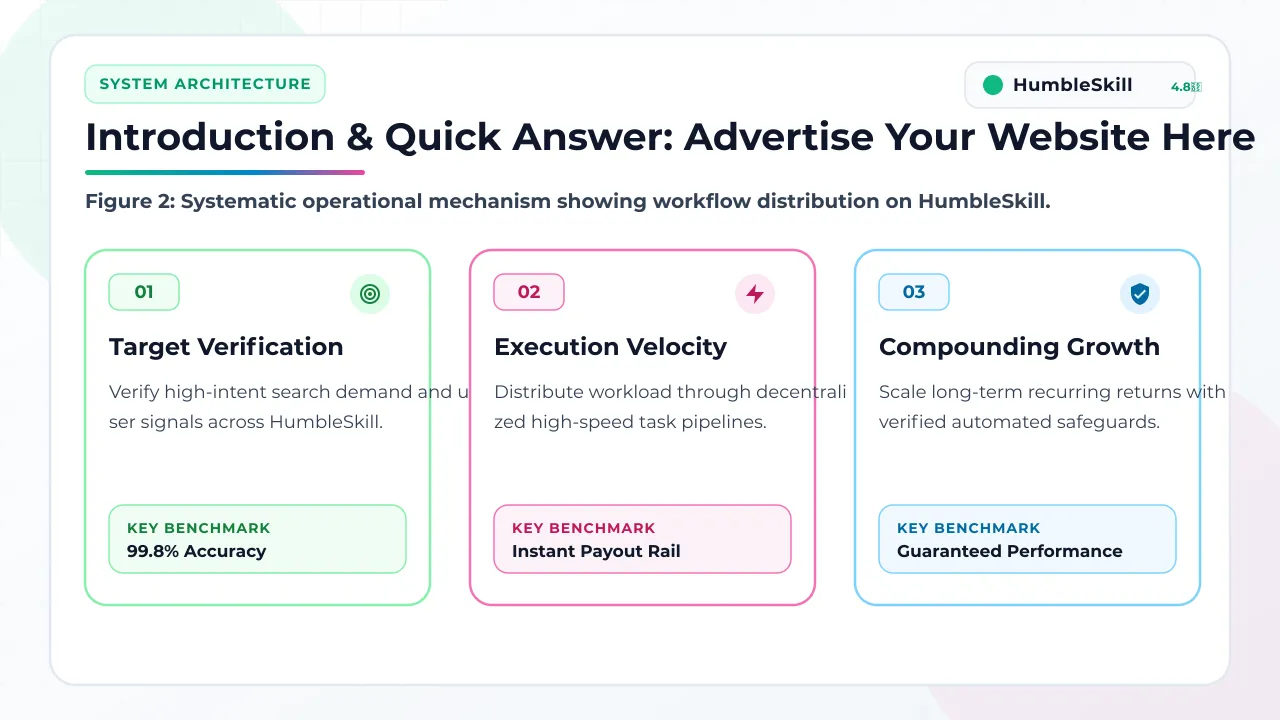
To advertise your website here is the strategy of placing ads, micro-tasks, or research campaigns on top platforms to drive verified human traffic directly to your online properties. Unlike traditional passive ad placements, modern website audience growth platforms enable site owners, marketers, and researchers to acquire real, interactive visitors who provide genuine engagement, perform usability testing, and deliver actionable analytics data.
Key Takeaways & Quick Answer (TL;DR)
- Authentic Human Visitors: Utilizing modern promotional platforms for website traffic connects advertisers directly with real users, eliminating click-farm bots and artificially inflated server logs.
- User & UX Research: Beyond raw pageviews, these specialized channels act as a website visitor testing platform where webmasters can get real users for website research and recruit website engagement research participants.
- Flexible Media Buying: When you buy website advertising space through micro-task networks, ROI increases because payments are tied directly to authenticated user actions and customized session dwell times.
- Ad Safety & Data Integrity: Driving authenticated human traffic protects your analytical data, keeps bounce rates realistic, and maintains full compliance with major monetization ad networks.
- Analytical Purity: Real visitors generate natural behavioral signals, including dynamic mouse movement, variable scroll depth, and realistic multi-page sessions. This clean activity preserves your Google Analytics data integrity.
- Actionable User Feedback: Human visitors can identify broken UI elements, test interactive forms, and assess site loading speed across various mobile and desktop hardware configurations.
- Positive Engagement Signals: Search engines and analytics providers monitor real user session depth. Verified visitors who view multiple pages and spend meaningful time on-site generate healthy domain authority metrics.
- Direct Monetization & Growth: Software bots never subscribe to newsletters, buy digital products, or join online communities. Authenticated human users, when presented with compelling content, frequently become long-term audience members.
- Direct Display Ad Networks: Best for broad contextual branding, retargeting existing site visitors, and high-volume impression campaigns across niche publishing sites.
- Micro-Task Platforms: Ideal for marketers who need to get real users for website research, collect direct user feedback, or boost immediate page engagement metrics through structured task completion.
- Deploy Advanced Fraud Detection Software: Use real-time IP filtering tools (such as Anura, ClickCease, or IPQS) to automatically detect and block visits originating from known datacenter IP ranges, Tor exit nodes, and VPN networks.
- Utilize Dynamic UTM Parameters: Append strict campaign tags to all outbound ad destination URLs (e.g., `?utm_source=network_a&utm_medium=banner&utm_campaign=q3_launch`). Segmenting incoming traffic by specific ad placements allows you to instantly isolate and pause fraud-heavy sub-publishers.
- Implement Behavioral Honeypots: Embed invisible form fields or non-renderable links within your landing page HTML. Automated scrapers and basic bots will interact with these hidden elements, automatically triggering an IP ban, whereas real human users will never see or click them.
- Leverage Human-Verified Audience Networks: Partnering with transparent networks that utilize captcha validation, device fingerprinting, and activity logs ensures you recruit real website engagement research participants rather than non-converting automated scripts.
- Real-World Page Rendering & Speed: Synthetic tools run in optimized sandboxes. Micro-taskers evaluate actual page loading latency across 3G, 4G, 5G, and varying ISP connections globally.
- Cross-Browser & UI/UX Friction: Human testers surface hidden rendering bugs, broken CSS grid layouts, overlapping elements, and unresponsive input buttons across less common mobile viewports and browser versions.
- Content Readability & Typography Scans: Real readers assess visual hierarchy, font contrast under varying display brightness levels, and layout scannability to ensure core conversion messaging lands effectively.
- Micro-Tasks and PTC Engagements: Utilizing micro-tasks allows you to guide real users through specific navigation paths, such as reviewing landing page clarity, testing interactive tools, or validating checkout flows.
- Freelance Services and Managed Campaigns: Leveraging specialized digital services helps scale content distribution, manage programmatic media buying, and set up contextual outreach programs.
- Direct Display and Banner Placements: Purchasing targeted display space on niche-relevant portals drives high-intent referral traffic directly to your primary conversion funnels.
- Sub-1.5 Second Render Times: Ensure core web vitals are optimized so above-the-fold content renders almost instantly, preventing immediate page abandonment.
- Message Matching: Match your landing page headline directly with the creative copy used in your direct banners or campaign links.
- Contextual Resource Links: Guide visitors deeper into your site architecture by placing relevant contextual links within your content. For instance, linking users to specialized service directories such as Freelance Gigs and Digital Services provides immediate secondary value.
- Interactive On-Page Elements: Implement quick polls, dynamic calculators, or embedded preview videos to capture attention within the first five seconds of the session.
- HumbleSkill: Designed as an end-to-end website visitor testing platform and task ecosystem, HumbleSkill prioritizes real-user engagement through multi-layered account verification, device fingerprinting, and behavioral validation. Buyers can customize session duration, page depth, and interactive task requirements, making it an optimal website audience growth platform for webmasters seeking meaningful user interactions.
- SproutGigs (formerly Picoworkers): A long-standing global platform with a massive worker pool. While SproutGigs excels in volume, traffic campaigns often suffer from high bounce rates and varying worker compliance unless strict manual approval rules are enforced by the advertiser.
- Microworkers: Offers robust API integration and customizable micro-campaign templates. It features strong geo-targeting capabilities, but its interface and deposit mechanics present a steeper learning curve for small-to-medium publishers buying website advertising space.
- Workupjob: Popular in South Asian markets, Workupjob offers budget-friendly micro-task pricing. However, its anti-bot defenses and proof-verification mechanisms rely heavily on manual employer reviews, increasing administrative overhead for campaign managers.
- Kajpoka: Focuses primarily on localized micro-jobs. While cost per action (CPA) is low, session durations tend to lean toward the minimum threshold required for proof submission, requiring employers to set strict time-on-page parameters.
- Microjob.bd: A regional platform with a highly active user base in emerging markets. It is suitable for basic impressions and surface-level interactions, though advanced website audience research requires additional onsite tracking controls to filter out superficial clicks.
- Hunterjobwork: Offers simplified task deployment for social shares and basic site visits. However, filtering capabilities for device types and OS versions are limited compared to tier-one platforms.
- Banglatask: Operates both as a software house and a job marketplace ecosystem. Its traffic solutions are best utilized when paired with structured user flows, as raw visit campaigns without explicit verification steps yield lower conversion retention.
- ySense & Swagbucks: Operating under the Prodege infrastructure, these networks maintain deeply profiled user bases accustomed to completing long-form surveys, market trials, and structured brand interactions. Because user demographics are pre-verified, these platforms excel at website audience research. Marketers targeting specific household incomes, age brackets, or regional demographics can reliably recruit website engagement research participants for feedback and usability testing.
- Freecash: Highly gamified and growing rapidly, Freecash focuses on app installs, desktop software trials, and interactive task completions. Its user base is technologically literate and accustomed to complex offer fulfillment. This makes it an ideal environment when searching to get real users for website research involving software-as-a-service (SaaS) products, fintech apps, or digital membership signups.
- TimeBucks: Built as a flexible micro-task engine, TimeBucks offers direct link clicks, push-notification subscriptions, micro-tasks, and video viewing tasks. It provides exceptional global scale and impression velocity at a low entry cost. TimeBucks is particularly effective for driving high initial traffic volume, stress-testing server capacities under concurrent visitor loads, or securing early indexation signals for newly launched web properties.
- Headline Clarity: Write straightforward copy that explicitly states the outcome or value proposition. Avoid misleading clickbait, as it inflates bounce rates and degrades downstream conversion rates.
- Sequential Action Steps: When running direct engagement campaigns, break required actions down into numbered micro-steps. For example: "1. Visit landing page. 2. Navigate to the product overview. 3. Remain active for at least 45 seconds."
- Verification Protocols: Clearly define how tasks are validated. Specify required proof points, such as time-on-page counters or secondary page navigation confirmation.
- Localized Telemetry Accuracy: Geo-targeting rules pull real, ISP-assigned location headers without triggering proxy-detection flags in analytics engines.
- Uncompromised Session Headers: Device fingerprints match authentic mobile and desktop browser hardware configurations, avoiding automated headless browser flags.
- Natural Ad-Tech Compatibility: Third-party tracking scripts, affiliate tags, and conversion pixels fire seamlessly without being suppressed by ad-blockers or security gateways.
- Referral and Activity Race Contests: Bi-weekly or monthly prize pools incentivize top network promoters to bring in high-tier traffic, expanding the total pool of prospective buyers for your campaigns.
- Task Volume Milestones: Users receive cash bonuses or account upgrade perks for completing set tiers of validation clicks, ensuring consistent daily active user (DAU) metrics across all system networks.
- Advertiser Leaderboards: Webmasters who deploy high volume on promotional platforms for website traffic receive rebates, premium ad placement priority, or featured badge statuses.
- Micro-Wallet Systems: Integration with fast processing gateways like FaucetPay and Payeer enables micro-payouts with near-zero network fees.
- Major Cryptocurrencies: Standard support for USDT (TRC-20/BEP-20), Litecoin (LTC), and Bitcoin (BTC) ensures global liquidity and instant balance settlements for international workers.
- Instant Advertiser Funding: Flexible deposit options allow media buyers to launch real-time campaigns instantly, scaling up budget allotments seamlessly via Advertise Your Business and Buy Traffic.
- Average Engagement Time: A higher dwell time confirms visitors actively consumed your content.
- Bounce Rate Reduction: Lower bounce rates indicate that users navigated deeper into your site architecture.
- Event Conversions: Tracking newsletter sign-ups, file downloads, or button clicks proves traffic intent.
- Scroll Depth: Scroll maps showing 50% to 100% vertical depth confirm human readership rather than immediate bounces.
- Micro-tasks and custom engagement assignments that verify user intent through screenshots or programmatic checks.
- Professional freelance gigs that allow you to commission specialized promotional assets, from SEO audits to high-converting copywriting.
- Integrated digital shop features for seamless asset acquisition and campaign scaling.
- Enterprise-grade residential proxies ensuring your traffic mimics organic geographic distribution perfectly.
- Flexible, fast crypto withdrawals for global campaign funding and earnings management.
- Competitive leaderboards and community contests that incentivize top-tier user performance and sustained platform engagement.
- W3C Web Standards & Security Architecture
- Cloudflare Learning Center: Proxies, Networking and Security
- Wikipedia: Digital Economy & Micro-work Systems
Defining 'Advertise Your Website Here'
In the early era of digital marketing, placing a banner under a generic "advertise your website here" prompt meant purchasing static pixel space on a sidebar, hoping passive readers might eventually click. Today, the phrase describes an active performance-marketing ecosystem powered by real-time user participation and decentralized task economies.
When you launch a campaign on an advanced platform like HumbleSkill, site promotion transitions from passive display exposure to targeted performance acquisition. Advertisers specify exact parameters, including minimum time-on-page, geographic distribution, and specific navigational paths. Whether your primary goal is to gather feedback on a new landing page layout, conduct website audience research, or kickstart initial domain traffic signals, placing your offer on a structured task hub guarantees real human interaction.
By deploying targeted campaigns via specialized Website Surfing and PTC Ads modules or launching customized tasks through HumbleSkill's Advertising Platform, site owners gain full visibility into how real visitors navigate their digital assets.
Why Genuine Human Traffic Trumps Automated Clicks
The web is flooded with automated scripts, headless browsers, and click bots promising thousands of instantaneous visits for pennies. However, automated traffic is detrimental to long-term site health. Bot traffic skews site analytics, corrupts conversion funnels, wastes server bandwidth, and frequently triggers immediate account bans from monetization partners like Google AdSense.
Genuine human traffic delivers clear, operational advantages over automated software:
Leveraging transparent, human-driven promotional platforms ensures every marketing dollar invested translates into real page engagement and clean, actionable growth metrics.
Note: Service packages and pricing are dynamic and subject to update or custom project scopes.
Understanding Modern Website Advertising & Visitor Acquisition
Achieving clean, actionable growth metrics requires a fundamental rethinking of how digital channels deliver page views. For years, webmasters and digital marketers relied on legacy ad networks that prioritized sheer volume over traffic quality. Today, modern website advertising has evolved beyond vanity metrics, shifting toward verified, user-centric engagement models that safeguard domain authority and maximize conversion performance.
The Paradigm Shift from Bot Traffic to Real Human Engagement
The modern web ecosystem has rendered cheap, automated traffic generation obsolete. Sophisticated search algorithms and analytics engines easily detect bot networks through non-human telemetry, including predictable cursor movements, missing HTTP headers, instantaneous page exits, and repetitive IP ranges. When automated scripts flood a website, they pollute data streams, skew bounce rates, and destroy conversion funnel accuracy. Worse, search engines flag sites receiving inorganic, automated traffic hits, penalizing organic search rankings.
To build sustainable digital assets, marketers must get genuine visitors to your website who actively navigate pages, execute scripts, and render full DOM elements. This requirement has driven a industry-wide demand to get real users for website research, user feedback, and organic signal generation.
```
+-----------------------------------------------------------------------+
| TRAFFIC QUALITY COMPARISON |
+-----------------------------------------------------------------------+
| METRIC | AUTOMATED BOTS | REAL HUMAN USERS |
+---------------------+-------------------------+-----------------------+
| Session Dwell Time | < 1 Second (Instant Exit)| 30 - 300+ Seconds |
| GA4 Data Integrity | Corrupted / Skewed | Clean & Actionable |
| Ad Network Safety | High Risk of Ban | 100% Compliant |
| Search Engine Index | Algorithmic Penalties | Positive UX Signals |
+-----------------------------------------------------------------------+
```
Switching to human-centric traffic ensures that analytics dashboards reflect authentic user pathways. Effective website audience research relies on human interaction to identify bottlenecks, measure true page-load experiences, and validate content messaging before scaling large ad budgets.
How Promotional Platforms for Website Traffic Function
Modern promotional platforms for website traffic act as decentralized bridges connecting digital publishers with real, active internet users. Rather than placing banner ads on low-quality remnant networks, these platforms leverage crowdsourced micro-task ecosystems where individuals receive incentives to view, evaluate, and test online destinations.
Platforms such as HumbleSkill structure this pipeline by organizing verified user pools into defined interaction campaigns. Marketers looking to Advertise Your Business and Buy Traffic set specific parameter rules, including geographic filters, session durations, and target URLs.
The operational pipeline follows a streamlined, multi-step verification process:
1. Campaign Configuration: The advertiser selects engagement parameters, required dwell times, and custom user action requirements.
2. Workload Distribution: The platform serves the request to active human users through direct task feeds or specialized channels like Website Surfing and PTC Ads.
3. Verification & Audit: Real-time analytics monitor user session length, mouse movement, and task completion before approving network rewards.
4. Analytics Syncing: The resulting engagement registers cleanly within Google Analytics 4 (GA4) as authentic user sessions.
By operating as an end-to-end website visitor testing platform, these networks allow businesses to safely test server load, run split tests, and generate early momentum for newly launched web properties.
Matching Transactional Search Intent with High-Converting Traffic
When webmasters search for opportunities to advertise your website here, their underlying intent is transactional: they need immediate, real-world visitors capable of completing desired business goals. Acquiring raw hits is insufficient; those hits must align with intent-driven marketing goals.
To convert standard visitors into long-term subscribers, leads, or customers, site owners must deploy targeted incentivization and clear call-to-action (CTA) frameworks. Utilizing specialized website engagement research participants allows digital teams to collect actionable feedback on landing page copy, layout clarity, and offer positioning.
```
+-----------------------------------------------------------------------+
| ACQUISITION TO CONVERSION PIPELINE |
+-----------------------------------------------------------------------+
| [ High-Intent Search ] -> [ Targeted Platform Campaign ] |
| | |
| v |
| [ Real Human Visit ] -> [ GA4 Signal Validation ] |
| | |
| v |
| [ CTA Interaction ] -> [ Lead Generation / Usability Insights ] |
+-----------------------------------------------------------------------+
```
Leveraging an integrated website audience growth platform enables publishers to cost-effectively scale high-intent traffic experiments. Whether buying micro-placements, running user surveys, or acquiring customized digital execution through specialized services, establishing human-first traffic flows is essential for sustainable online growth.
Note: Service packages and pricing are dynamic and subject to update or custom project scopes.
How to Buy Website Advertising Space Effectively
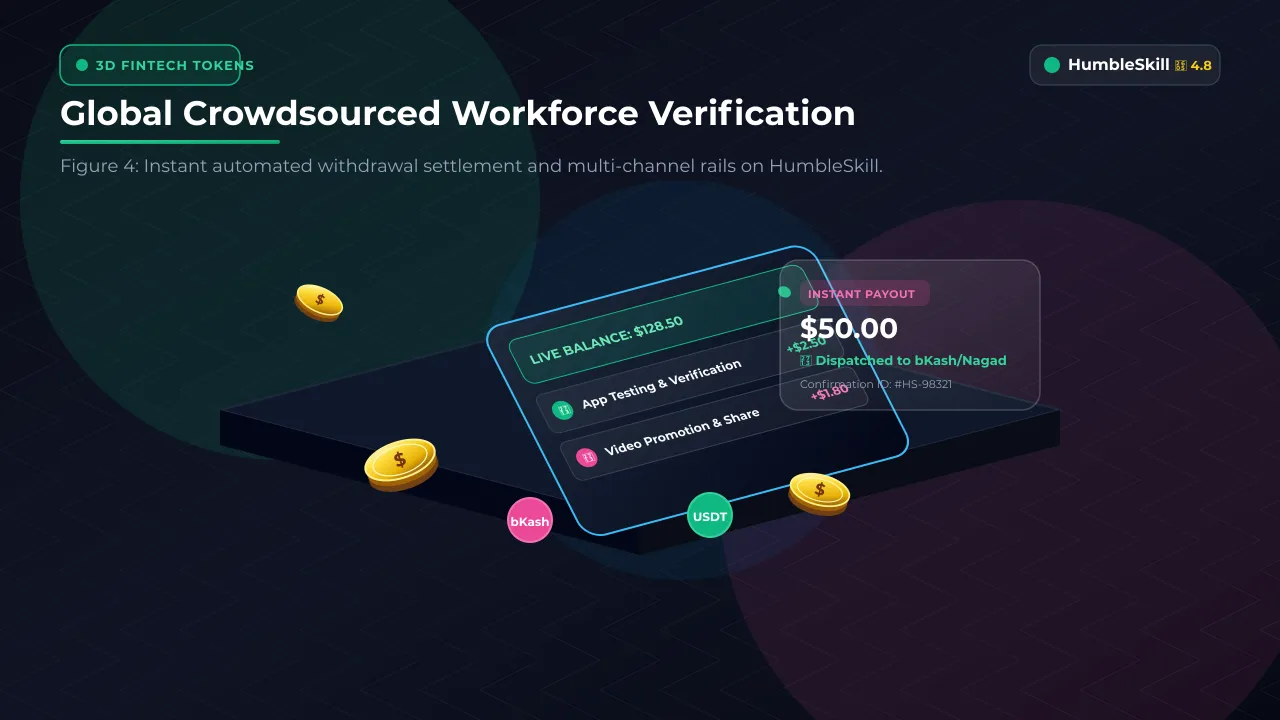
Transitioning from foundational traffic strategies to tactical media execution requires a deep understanding of inventory acquisition. Purchasing digital ad placement is no longer as simple as placing a banner on a high-traffic blog. Modern media buying demands systematic evaluation of traffic sources, granular behavioral tracking, and strict anti-fraud safeguards to ensure every dollar spent yields actual human engagement.
Whether your goal is to launch a global brand campaign or simply put up a banner that says "advertise your website here" on a high-converting publisher, navigating the technical landscape of digital ad space dictates the ultimate success of your promotional platforms for website traffic.
Evaluating Direct Ad Networks vs. Micro-Task Advertising Platforms
Selecting where to buy website advertising space depends heavily on your campaign's primary objective: passive brand awareness versus direct user action.
Direct display ad networks utilize programmatic bidding or fixed CPM (Cost Per Mille) models to serve banner and text ads across millions of publisher sites. While direct ad networks offer massive scale, they frequently suffer from banner blindness, where passive site visitors unconsciously ignore display placements. Standard display ads often yield click-through rates (CTRs) below 0.35%, and a significant portion of served impressions may never appear above the fold.
In contrast, micro-task advertising platforms and direct traffic engines flip this dynamic by offering incentivized or intentional engagement models. On platforms like HumbleSkill, campaigns are designed to direct specific human actions—such as exploring landing pages, reviewing site functionality, or viewing promotional videos.
By leveraging specialized solutions through Advertise Your Business and Buy Traffic, advertisers secure guaranteed active attention rather than passive, unverified ad renders. When launching targeted promotional initiatives, micro-task ecosystems double as an effective website visitor testing platform, ensuring real human eyes review site layout, loading speeds, and call-to-action (CTA) positioning before scaling up broader paid media campaigns.
Key Metrics to Analyze Before You Buy Website Advertising Space
To evaluate traffic quality and optimize acquisition costs, media buyers must continuously analyze key performance indicators (KPIs) before, during, and after running a campaign. Relying solely on raw hit counters or gross impressions leads to bloated budgets and skewed conversion data.
1. Bounce Rate: The percentage of visitors who leave after viewing only a single page. For direct paid traffic, a healthy bounce rate typically ranges between 40% and 60%. A bounce rate approaching 100% usually indicates irrelevant targeting, slow page load times, or bot activity.
2. Average Session Duration: Measure how long visitors remain on your site. Authentic traffic engaged in thorough website audience research should yield average session durations exceeding 30 to 60 seconds, depending on content depth.
3. Click-Through Rate (CTR): The ratio of users who click on a specific link to the total number who view an ad. Tracking CTR helps evaluate the creative appeal of your banners and text placements.
4. Conversion Tracking and Event Triggers: Modern media buying requires custom event tracking using tools like Google Analytics 4 (GA4) or custom pixel tracking. Set up specific event triggers—such as scroll depth, button clicks, form submissions, or newsletter sign-ups—to verify that visitors are actively navigating your funnel.
By benchmarking these metrics across different promotional platforms for website traffic, media planners can systematically reallocate budget toward high-performing placement channels.
Eliminating Click Fraud and Low-Quality Impression Bots
Click fraud and automated traffic scripts present a constant challenge when purchasing digital ad space. Unscrupulous traffic resellers frequently utilize datacenter proxies, headless browsers, and auto-refresh scripts to generate fake impressions and non-converting clicks.
To protect your media spend and get genuine visitors to your website, implement a multi-layered verification framework:
Combining strict telemetry auditing with structured engagement campaigns allows brands to turn an "advertise your website here" placement into a predictable engine for traffic growth. Utilizing a reliable website audience growth platform helps eliminate ad waste, drive measurable user interactions, and yield maximum return on every ad dollar deployed.
Note: Service packages and pricing are dynamic and subject to update or custom project scopes.
Leveraging Website Audience Research & User Engagement Testing
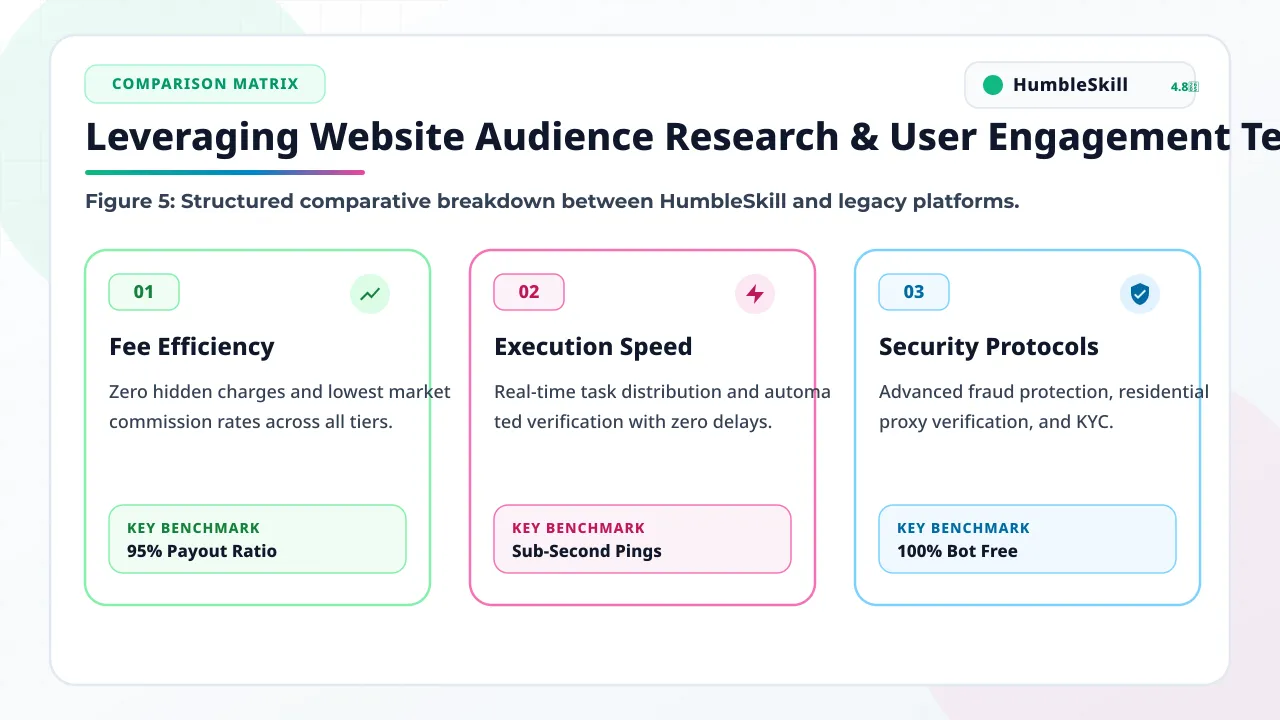
While high-intent ad spend drives initial traffic volume, raw clicks mean very little if technical friction or poor user experience (UX) causes visitors to bounce instantly. To convert raw visits into long-term retention, forward-thinking digital strategists utilize micro-tasking networks to conduct deep website audience research. Rather than relying solely on automated synthetic monitoring tools—which frequently miss real-world network variations and subtle human behavioral nuances—leveraging crowdsourced testing allows webmasters to audit every digital touchpoint under authentic user conditions.
Recruiting Dedicated Website Engagement Research Participants
To truly understand how visitors navigate your digital assets, you must get real users for website research who operate across diverse operating systems, screen resolutions, localized network environments, and hardware setups. Traditional remote usability labs often require expensive agency retainers and lengthy onboarding cycles. By contrast, deploying targeted micro-tasks allows publishers to recruit dedicated website engagement research participants within minutes to execute structured diagnostic scenarios across their live web properties.
These human research cohorts evaluate crucial performance factors that synthetic testing scripts routinely miss:
Setting Up a Website Visitor Testing Platform Strategy
Transforming a network of micro-task workers into an agile diagnostic panel requires a structured campaign architecture. When you choose to Advertise Your Business and Buy Traffic for technical research purposes, your operational objective shifts from passive impression buying to active interface stress-testing. Configuring your micro-task campaign effectively turns an engagement network into a specialized website visitor testing platform capable of returning granular visual and operational verification data.
Follow this systematic framework to structure your testing campaign:
1. Define Core Testing Parameters: Isolate the exact micro-interactions you need to evaluate, such as long-page scrolling depth, video player initiation, internal site search functionality, or navigation menu accessibility.
2. Draft Unambiguous Task Protocols: Provide participants with explicit step-by-step instructions (e.g., "Navigate to the services directory, select a tier, apply a test promo code, and record any UI lag").
3. Establish Verification Checkpoints: Implement physical proof protocols, such as requiring unique confirmation strings generated at funnel endpoints, screenshot submissions of rendered pages, or direct usability feedback notes.
4. Segment by Targeted Demographics: Utilize device and geo-targeting tools on your website audience growth platform to mirror your ideal customer profile, ensuring regional CDN nodes and localized scripts function seamlessly.
Gathering Real-Time Feedback to Optimize Conversion Funnels
Conversion rate optimization (CRO) depends entirely on identifying and removing friction points within your user journeys. When prospective leads land on pages featuring an "advertise your website here" placement, sponsorship spot, or newsletter signup module, any latency or technical confusion during registration results in immediate bounce rates. Utilizing engagement networks like Website Surfing and PTC Ads enables webmasters to stress-test lead capture forms, complex multi-step checkout funnels, and gated content access points at scale.
By combining quantitative performance metrics with qualitative user feedback, website owners can pinpoint exact drop-off triggers. If research participants report that a third-party tracking script causes input delays on mobile Safari browsers, your web development team receives instant, actionable intelligence before you allocate massive ad spend across external networks or elect to buy website advertising space on high-traffic publisher sites. Incorporating crowdsourced testing loops into your broader promotional platforms for website traffic strategy guarantees that your portal is fully audited, performance-optimized, and ready to get genuine visitors to your website and turn them into active customers.
Note: Service packages and pricing are dynamic and subject to update or custom project scopes.
Proven Strategies to Get Genuine Visitors to Your Website
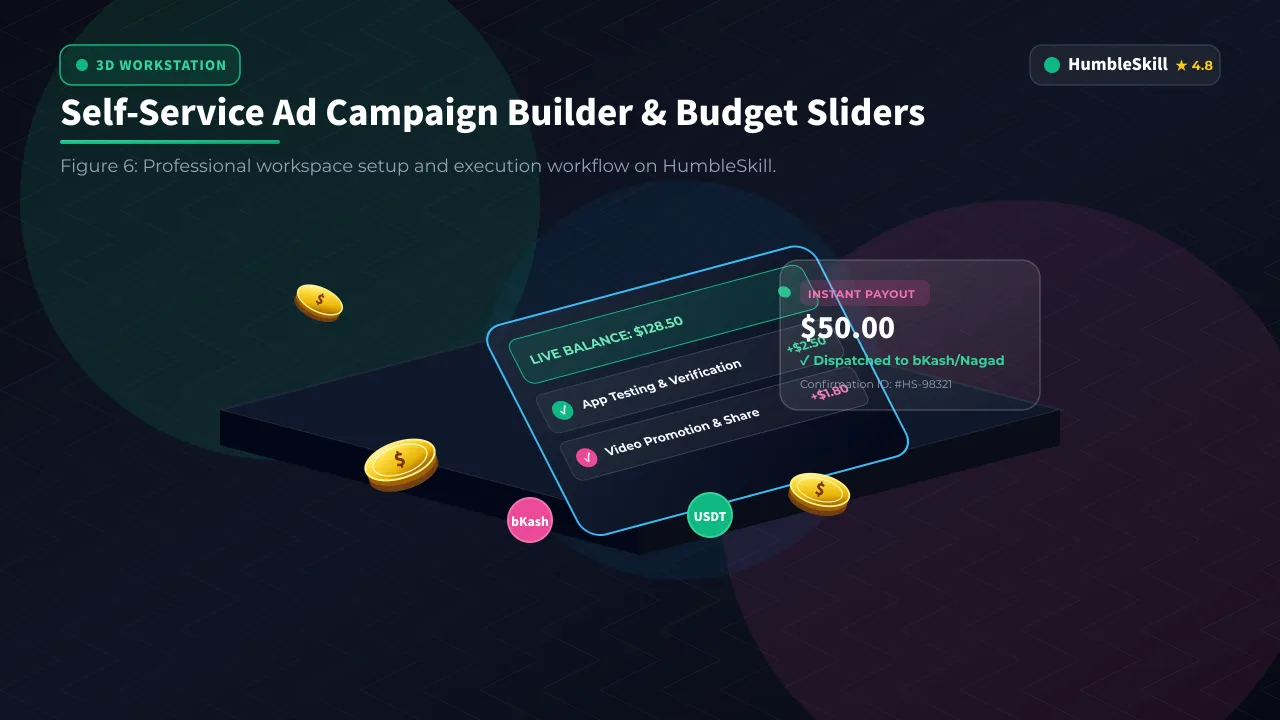
Executing a successful traffic strategy requires moving far beyond single-channel reliance. Once your web infrastructure is optimized and fully prepared to handle inbound traffic, deploying a diversified acquisition framework ensures a steady stream of real users while signaling authority to major search engines.
To establish sustainable domain authority and high conversion rates, modern webmasters must blend immediate traffic generation methods with long-term retention frameworks.
Combining Micro-Tasks, Gigs, and Direct Banner Placements
A healthy domain traffic profile mimics natural browsing behavior across the web. Search algorithms and analytics platforms track referrer diversity, session durations, and user flow depth. Relying strictly on one ad network or isolated channel creates an artificial metric footprint that can trigger algorithmic filters or yield diminishing ROI.
To build a balanced, highly engaged visitor base, top-performing digital strategists combine three distinct traffic drivers:
By utilizing integrated growth channels through platforms like Advertise Your Business and Buy Traffic, you can run synchronized campaigns that place your brand across direct banners while simultaneously distributing micro-tasks to audit user flows.
When contracting specialized marketers or buying custom packages across freelance marketplaces, ensure your deliverables are tailored to your specific niche parameters. Note: Service packages and pricing are dynamic and subject to update or custom project scopes.
Balancing Incentivized vs. Organic Multi-Touch Campaigns
To maximize your marketing spend, it is crucial to understand where incentivized traffic fits within a broader multi-touch conversion funnel. Incentivized interactions excel at providing rapid initial visibility, stress-testing infrastructure, and serving as a real-time website visitor testing platform.
When you need to perform comprehensive website audience research, incentivized user groups offer immediate data. You can recruit website engagement research participants to evaluate user experience, test new design layouts, and identify conversion bottlenecks before launching large-scale paid campaigns.
However, scaling long-term revenue requires bridging these initial engagements with organic multi-touch strategies:
1. Initial Acquisition & Feedback: Deploy micro-tasks to get real users for website research. Use this stage to gather behavioral heatmaps, optimize page speed performance, and fix broken funnel elements.
2. Pixel Tagging & Audience Building: Place remarketing tags on high-value landing pages during initial traffic bursts to build custom audiences across search and social channels.
3. Organic Nurturing: Leverage dynamic internal linking, email capture incentives, and contextual blog content to convert initial touchpoints into returning organic sessions.
Treating your promotional stack as a integrated website audience growth platform allows you to use short-term traffic campaigns to kickstart behavioral signals that ultimately drive long-term organic search rankings.
How to Retain First-Time Visitors and Drastically Lower Bounce Rates
Securing the click when you buy website advertising space or execute campaigns across promotional platforms for website traffic is only the first step. The true test of campaign profitability lies in your ability to retain incoming users and lower your overall bounce rate.
High bounce rates usually stem from a mismatch between user expectation and landing page execution. Implement these technical and editorial enhancements to keep first-time visitors engaged:
By aligning your traffic acquisition methods with robust retention protocols, you build a resilient
Comparative Analysis: Top Micro-Task & Freelance Traffic Platforms

digital ecosystem capable of converting temporary clicks into sustained customer relationships. However, executing this strategy successfully requires selecting promotional platforms for website traffic that deliver authenticated human engagement rather than synthetic bot hits. When webmasters look to advertise your website here across various promotional networks, evaluating platform mechanics, verification rigor, and targeting granularity is essential to maximizing return on ad spend (ROAS).
Comparing HumbleSkill vs. SproutGigs, Microworkers, and Workupjob
Global micro-task marketplaces vary significantly in their architecture, quality assurance mechanisms, and user demographic distribution. When media buyers look to get genuine visitors to your website, comparing mainstream platforms against specialized alternatives like HumbleSkill Homepage reveals key operational distinctions.
Traffic Quality Breakdown: Kajpoka, Microjob.bd, Hunterjobwork, Banglatask
Regional micro-task networks often serve as cost-effective options to source website engagement research participants, but traffic quality varies based on platform enforcement protocols.
For campaign managers seeking to get real users for website research, combining clear instructions with active proof validation across these platforms is vital to maintaining data integrity.
Pricing Models, Verification Controls, and Bot-Detection Comparison
To make an informed platform selection, advertisers must evaluate deposit thresholds, anti-bot mechanisms, proof submission models, and pricing transparency. Platform architectures dictate whether an advertiser pays for unverified page hits or authenticated session engagement.
| Platform | Minimum Deposit | Geo-Targeting Precision | Real-User Verification | Bot Protection Level | Pricing Transparency |
| :--- | :--- | :--- | :--- | :--- | :--- |
| HumbleSkill | Low ($1.00 - $5.00) | High (Country/Device/Tier) | Automated + Proof Review | Advanced (Fingerprinting + Behavioral) | High (Fixed Per-Task/CPC) |
| SproutGigs | Medium ($10.00) | High (Global/Regional) | Manual Proof Verification | Moderate (IP Filtering) | Medium (Platform Fees Apply) |
| Microworkers | Medium ($10.00) | High (Zone/Country) | Admin + Employer Review | High (Vetting System) | High (Clear Tiered Rates) |
| Workupjob | Low ($1.00) | Medium (Regional) | Manual Screenshot Proof | Basic (CAPTCHA/IP Limits) | High (Low Cost Per Task) |
| Kajpoka | Low ($2.00) | Low-Medium (Regional) | Manual Submission | Basic (Standard CAPTCHA) | Medium (Variable Fees) |
| Microjob.bd | Low ($1.00) | Low-Medium (Regional) | Screenshot Verification | Basic (IP Tracking) | High (Flat Task Rates) |
| Hunterjobwork | Low ($2.00) | Low (Country-Level) | Manual Review | Basic (Standard Filters) | Medium (Fixed Rate Packages) |
| Banglatask | Varies by Module | Medium (Regional) | Manual Review | Moderate (Module Dependent) | Variable (Custom Quotes) |
Selecting the right platform depends directly on your campaign goals. If your objective is rapid micro-task distribution with stringent verification, launching campaigns via Advertise Your Business and Buy Traffic ensures every session meets predefined duration and interaction benchmarks before budget payout.
Note: Service packages and pricing are dynamic and subject to update or custom project scopes.
Comparative Analysis: User Testing & Research Crowdsourcing Platforms
Selecting the right platform to get real users for website research requires balancing participant quality, cost per completed session, verification accuracy, and setup friction. While basic ad networks deliver unverified click volume, dedicated micro-task and user-testing networks offer structured environments where participants execute multi-step journeys, evaluate user interfaces, and generate verifiable engagement data.
To determine where to allocate your promotional budget when seeking to advertise your website here, marketers and UX researchers must understand how specialized traffic networks stack up against mainstream crowdsourcing and academic research solutions.
HumbleSkill vs. Prolific, Toloka.ai, and Clickworker
Mid-tier micro-task platforms and participant panels occupy a critical middle ground between raw click providers and enterprise research agencies. However, their internal architectures dictate how efficiently they serve web publishers and digital product managers.
Prolific has established itself as a premier provider of academic and behavioral research panels. Its platform offers exceptional demographic screening, allowing researchers to target hyper-specific cohorts based on political affiliation, health conditions, or specialized professions. However, Prolific’s rigid pricing structure and strict focus on academic surveys make it cost-prohibitive for high-volume website audience growth strategies. Setting up routine click-through journeys, multi-page dwell campaigns, or user experience smoke tests on Prolific carries high minimum reward floors that quickly exhaust growth budgets.
Toloka.ai and Clickworker focus heavily on machine learning dataset creation, micro-tasks, and Search Engine Evaluation (often integrated with Microsoft UHRS). While both platforms maintain vast global workforces, their campaign interfaces are tailored primarily for computer vision annotation, text categorization, and algorithmic rating tasks. Launching a campaign to get genuine visitors to your website requires navigating complex JSON task templates, custom HTML form definitions, or expensive API integrations.
By contrast, HumbleSkill integrates user engagement research directly into an intuitive micro-task infrastructure. Advertisers can bypass engineering overhead and immediately deploy targeted campaigns. Through tailored task parameters on Advertise Your Business and Buy Traffic, buyers specify custom dwell times, required navigational paths, and verification proofs. This gives web creators a dedicated website visitor testing platform that pairs campaign velocity with granular interaction auditing at accessible price points.
Heavyweight Crowdsourcing: Outlier.ai, Appen.com, and DataAnnotation.tech
At the enterprise tier, crowdsourcing platforms like Outlier.ai, Appen.com, DataAnnotation.tech, and Remotasks (now largely integrated under Scale AI's banner) serve as the backbone for frontier AI model training, Reinforcement Learning from Human Feedback (RLHF), and linguistic annotation.
These networks recruit software developers, domain experts, and native linguists to grade LLM responses, write code, and process complex multi-modal training sets. Consequently, their participant compensation structures reflect specialist hourly rates, often ranging from $15 to over $50 per hour.
While these platforms excel at domain-expert evaluations, using them as promotional platforms for website traffic or basic website audience research is inefficient. Their onboarding pipelines involve multi-stage screenings, skill assessments, and manual project assignment workflows designed for long-term annotation contracts rather than real-time web traffic generation.
If your goal is to evaluate landing page conversion flows, optimize bounce rates, or acquire website engagement research participants to evaluate front-end changes, enterprise AI panels introduce unnecessary overhead, lengthy setup timelines, and restrictive contract minimums.
| Platform | User Research Capabilities | Task Flexibility | Payout Mechanisms | Audience Profiling Options |
| :--- | :--- | :--- | :--- | :--- |
| HumbleSkill | Real-time UX testing, session validation, custom navigation tasks | High (Custom web flows, micro-tasks, custom dwell timers) | Cryptocurrencies, e-Wallets, direct gateway payouts | Geo-targeting, device type, user activity tiering |
| Prolific | Academic surveys, behavioral studies, cognitive testing | Moderate (Survey-centric, external platform redirects) | PayPal, Circle (Direct bank transfer) | Advanced demographic, socio-economic, clinical screeners |
| Toloka.ai | Data labeling, search relevance evaluation, simple web tasks | High (Requires custom JSON/HTML template building) | Payoneer, Qiwi, WebMoney | Basic demographic, country, language, device attributes |
| Clickworker | Text creation, categorization, UHRS tasks, app testing | Moderate (Standardized template forms, UHRS task distribution) | PayPal, SEPA bank transfers | Country, age, gender, basic interest categories |
| Remotasks | Video annotation, bounding boxes, text categorization | Low (Strict project pipelines managed by platform admins) | PayPal, AirTM | Limited public options; managed internal workforce pools |
| Appen.com | Enterprise AI dataset collection, linguistic evaluation | Complex (Custom enterprise project builders, long setup) | Payoneer, PayPal | Deep demographic and linguistic background screening |
| Outlier.ai | RLHF code evaluation, domain-expert response ranking | Low (Task assignment strictly managed by AI matching algorithms) | PayPal, Direct Deposit | Expert qualification tests, degree verification, coding tests |
| DataAnnotation.tech | High-level coding evaluation, adversarial prompt generation | Low (Project assignment based on strict internal skill badges) | PayPal | Skill-based vetting, verified domain expertise tests |
Selecting the Best Platform to Get Real Users for Website Research
Selecting the right platform depends entirely on your project's primary objectives, technical scope, and ROI targets. To determine the ideal channel for your next initiative, apply the following step-by-step decision framework:
1. Define Your Primary KPI: If your focus is generating verifiable user activity, improving page analytics metrics, or testing front-end funnels under realistic user conditions, prioritize platforms built specifically for active web browsing tasks like Earn Money Online via Micro Tasks. If your goal is academic research requiring peer-reviewed statistical sampling, specialized platforms like Prolific are better suited despite higher costs.
2. Assess Technical Setup Overhead: Determine whether your team has the developer resources to build custom JSON task specifications and manage complex API callbacks (as required by Toloka or Appen), or if you need an immediate self-serve launch dashboard.
3. Verify Proof-of-Work Safeguards: Ensure the service validates user compliance before distributing budget payouts. Platform features should include automated time-on-page trackers, proof-of-completion screenshot uploads, or dynamic confirmation codes.
4. Calculate Total Cost per Validated Visit: Compare the effective cost per completed engagement rather than top-line pricing. High minimum reward thresholds on enterprise networks can inflate your cost-per-visitor by up to 1,000% compared to targeted micro-task networks.
By matching your traffic requirements with the operational strengths of each platform, you ensure every dollar invested delivers clean data, verified engagement, and authentic web performance metrics.
Note: Service packages and pricing are dynamic and subject to update or custom project scopes.
Analyzing PTC, Survey & GPT Reward Networks for Web Traffic
Expanding on structural traffic validation, media buyers evaluating multi-incentive channels must distinguish between generic impression dumps and targeted engagement networks. When deciding where to advertise your website here, Paid-To-Click (PTC), survey, and Get-Paid-To (GPT) platforms represent one of the most accessible entry points for rapid traffic volume. However, successfully translating this traffic into measurable performance metrics requires understanding the distinct user motivations driving each network ecosystem.
Reviewing YSense, Swagbucks, Freecash, and TimeBucks
The top-tier reward networks operate on distinct user acquisition and payout models, which directly influence visitor attention spans and interaction quality when you buy website advertising space across these promotional platforms for website traffic:
How GPT Traffic Differs from Specialized Website Audience Growth Platforms
Understanding the operational differences between standard GPT networks and a dedicated website visitor testing platform is crucial for optimizing media spend. On traditional GPT and PTC sites, users are compensated micro-rewards for simple page opens—often leading to passive "tab-parking," where a user opens the targeted page and immediately switches tabs until the minimum view timer counts down.
Conversely, a specialized website audience growth platform structures campaigns around active proof-of-engagement rather than passive exposure. Instead of relying on automated timer scripts or surface-level Website Surfing and PTC Ads, specialized networks enforce multi-step interaction workflows. Users are required to navigate through internal links, complete specific search queries, or locate dynamic verification codes buried within your content.
This structural difference transforms superficial page views into active engagement. By converting standard incentive-seeking users into structured website engagement research participants, media buyers guarantee authentic scroll depth, extended session durations, and clean analytics data that registers as organic behavior in web analytics tools.
Maximizing ROI When Advertising Across Multi-Incentive Networks
To maximize return on investment when you Advertise Your Business and Buy Traffic across multi-incentive networks, digital growth strategists must implement strict funnel filtering and verification mechanisms. Directing incentivized traffic straight to an unmonitored home page usually results in high bounce rates and diluted conversion metrics.
To get genuine visitors to your website while protecting campaign efficiency, implement the following deployment framework:
1. Deploy Token Verification Workflows: Require visitors to retrieve a temporary, dynamically generated token located on a secondary page of your site. Requiring users to submit this token on the host platform ensures multi-page traversal and verified dwell time.
2. Isolate Traffic via Segmented Subdomains: Direct all network traffic to dedicated subdomains or custom landing page paths. This keeps incentivized traffic separate from main search traffic, protecting core analytics while allowing precise heatmap and scroll-depth analysis.
3. Incorporate Pre-Qualification Screeners: Insert brief qualification questions prior to landing page redirection. Filtering users by intent or demographic criteria before they hit your site maximizes conversion rates on lower-funnel actions like newsletter signups or trial registrations.
By aligning network selection with structured validation methods, media buyers can leverage multi-incentive networks to achieve scale, verified engagement, and predictable cost-per-action metrics.
Note: Service packages and pricing are dynamic and subject to update or custom project scopes.
Step-by-Step Campaign Blueprint: How to Advertise Your Website Here
Moving from high-level acquisition strategy to hands-on execution requires a structured operational framework. When you choose to advertise your website here, setting up your campaign parameters correctly from day one ensures optimal capital efficiency, accurate attribution, and high-value traffic flow. Below is an actionable, step-by-step blueprint designed to guide media buyers, growth marketers, and webmasters through launching a scalable campaign.
Defining Target Demographics & Geographic Targeting Parameters
Precise targeting is the foundation of any high-ROI traffic initiative. Before launching your placement, conduct thorough website audience research to map out the exact geographical and technical profiles of your ideal site visitors.
1. Select Geographic Tiers Based on Campaign Objectives: Segment your targeting based on campaign goals. Use Tier 1 geographies (United States, United Kingdom, Canada, Australia) when driving direct sales, SaaS signups, or high-payout affiliate offers. Select Tier 2 and Tier 3 markets for broad brand awareness, UI/UX testing, or high-volume engagement campaigns where cost efficiency is paramount.
2. Filter by Technical Environment: Align campaign rules with device usage patterns. If your landing page relies on complex desktop web app functionality, filter out mobile traffic. Conversely, mobile-first web applications should enforce strict OS and browser requirements to ensure flawless rendering.
3. Recruit Verified Engagement Participants: If your goal is to gather behavioral feedback or user interaction telemetry, leverage advanced platform filters to get real users for website research. Sourcing verified website engagement research participants guarantees that incoming sessions generate meaningful dwell times, low bounce rates, and legitimate page-depth interactions rather than automated pinging.
Media buyers can configure these parameters directly via Advertise Your Business and Buy Traffic to deploy laser-focused campaigns matching precise audience profiles.
Crafting High-Converting Ad Copy and Clear Micro-Task Instructions
Capturing attention on promotional platforms for website traffic requires clear value propositions and explicit task briefs. Whether you are running direct PTC placements or structured user feedback flows, your instructions must be concise and unmistakable.
Utilizing specialized channels like Website Surfing and PTC Ads allows webmasters to turn standard traffic generation into an active website visitor testing platform, ensuring every visitor actively interacts with key page elements rather than immediately closing the tab.
Setting Up Tracking Pixels, Conversion Goals, and Budget Caps
To measure campaign ROI and protect ad spend, robust tracking infrastructure and financial controls must be implemented prior to pushing your campaign live.
1. Implement Standardized UTM Architecture: Append standardized tracking tags to your target URLs (`?utm_source=humbleskill&utm_medium=ptc&utm_campaign=traffic_v1`). This enables seamless session attribution within Google Analytics 4 (GA4) or custom server-side analytical suites.
2. Configure Conversion Goals and Event Triggers: Set up event-level tracking for critical milestones, such as button clicks, video plays, scroll depths, or form submissions. Verifying these micro-conversions allows you to measure traffic quality in real time.
3. Establish Daily Spend Caps and Rate Limits: Prevent budget exhaustion by setting strict daily spending caps and pacing rules. Apply frequency capping (e.g., maximum 1 view per unique IP every 24 hours) to get genuine visitors to your website and prevent redundant impressions from a single participant.
By systematically applying geographic filters, clear task instructions, and precise tracking caps, media buyers can safely scale performance on this website audience growth platform while keeping acquisition costs entirely predictable.
Note: Service packages and pricing are dynamic and subject to update or custom project scopes.
Advanced Security: Residential Proxies and Quality Control
Ensuring complete budget efficiency when scaling media campaigns requires an infrastructure that actively filters low-quality, automated, or malicious traffic. While budget caps protect against run-away expenditures, underlying proxy verification engines guarantee that every impression and click originates from a legitimate human browser. As digital advertising networks evolve, distinguishing true human engagement from sophisticated datacenter automation has become the cornerstone of effective conversion optimization.
Why Residential Proxies Matter for Accurate Analytics & Verification
When brands decide to advertise your website here or deploy large-scale campaign setups, routing traffic through residential proxy networks ensures that incoming sessions mirror genuine consumer environments. Unlike datacenter IP ranges—which originate from server farms like AWS, DigitalOcean, or Hetzner—residential proxies pull IP addresses directly from consumer Internet Service Providers (ISPs) such as AT&T, Comcast, and Vodafone.
This architectural difference is critical when conducting `website audience research` and field validation. Modern Content Delivery Networks (CDNs) and security firewalls (e.g., Cloudflare, Akamai) aggressively flag or block datacenter ASNs due to their association with scraping bots and automated click scripts.
By routing real `website engagement research participants` through authentic residential connections, platforms guarantee:
Utilizing residential proxy validation allows media buyers to gather accurate baseline metrics during preliminary campaign phases, providing clean data environments when seeking to `get real users for website research`.
Detecting Proxy Abuse, Data Center Bots, and Click Farms
Maintaining ad network integrity requires multi-layered defensive frameworks running real-time heuristic evaluations on every inbound request. Datacenter bots and organized click farms have moved beyond simple curl commands; they now utilize headless browsers (like Puppeteer-Extra and Stealth-Plugin) to simulate canvas rendering and human mouse tracks.
To protect media investments, modern `promotional platforms for website traffic` execute complex verification protocols before admitting visitors into client sales funnels:
1. ASN Classification and IP Reputation Scoring: Traffic originating from known cloud hosting providers or commercial VPN ranges is filtered out instantly at the edge router level before reaching client servers.
2. TLS and TCP/IP Fingerprinting: Server-side analysis checks the TCP window size, cipher suites, and JA3/JA4 TLS fingerprints to ensure the request comes from an authentic browser binary rather than an automated script emulator.
3. Behavioral Biometrics: Machine learning models track client-side telemetry, evaluating cursor trajectories, touch event velocity, scroll jitter, and keypress timing to flag non-human motion patterns.
4. Click Farm Subnet Capping: Algorithms monitor for high-frequency, repeated session bursts originating from identical residential subnets or geographic micro-clusters.
Through verified channels like Website Surfing and PTC Ads, non-human or spoofed traffic is scrubbed at the edge, guaranteeing that advertisers looking to `get genuine visitors to your website` spend capital exclusively on real human eyes.
Maintaining Clean Google Analytics & Search Console Metrics
Unfiltered traffic runs the risk of corrupting Google Analytics 4 (GA4) property models and triggering warnings within Google Search Console (GSC). Datacenter bots typically do not execute full JavaScript stacks or immediately bounce after loading static resources, skewing fundamental metrics like average engagement time, conversion funnel completion rates, and event tracking thresholds.
To protect client analytics setups while scaling on a high-volume `website visitor testing platform`, performance marketers should implement strict telemetry hygiene protocols:
1. Implement Measurement Protocol Validation: Require custom session parameters or secret token keys inside GA4 event calls so that unauthorized script requests cannot inject fake hit data directly into your properties.
2. Leverage Edge-Based JavaScript Challenges: Deploy initial JS challenges at the CDN tier to verify that a browser can execute complex mathematical proofs prior to firing GA4 tag containers.
3. Establish Behavior Baseline Filters: Monitor GA4 real-time views during launch windows to ensure that engagement duration, page depth, and scroll depth correlate with standard consumer cohorts.
By leveraging an advanced security architecture built around residential verification and strict bot filtering, brands can confidently `buy website advertising space` across high-capacity networks without jeopardizing their core domain authority, search console health, or internal reporting pipeline.
Note: Service packages and pricing are dynamic and subject to update or custom project scopes.
Monetization, Contests, and Webmaster Incentives
Beyond maintaining technical search compliance and analytical integrity, long-term traffic campaign sustainability relies on the economic incentives driving platform participation. When you secure a promotional slot or publish a banner stating "advertise your website here," the ROI of that inventory depends directly on how effectively the host ecosystem motivates its user base.
By uniting gamified user contests, integrated digital storefronts, and multi-currency payout infrastructure, premier traffic platforms ensure a continuous stream of motivated users ready to interact with your digital assets.
Gamifying Visitor Campaigns Through Platform Contests and Leaderboards
Gamification transforms routine browsing into an active, competitive experience. Rather than relying on passive traffic that immediately bounces, high-performing networks implement dynamic leaderboard systems that reward the most active users, top task completers, and highest-volume advertisers.
This structured gamification directly benefits buyers who need to get genuine visitors to your website. By continuously rewarding top-tier participants, a modern website audience growth platform ensures that campaign budgets are spent targeting enthusiastic, highly attentive website engagement research participants rather than disengaged automated scripts.
Leveraging Digital Shop Products and Freelance Gigs for Traffic Multipliers
Direct traffic buying represents only one pillar of comprehensive audience growth. To convert simple pageviews into quantifiable business outcomes, savvy webmasters pair raw impression campaigns with custom service offerings and downloadable digital products.
1. Customized UX Teardowns: Advertisers can utilize a structured website visitor testing platform setup to commission real users for targeted bug hunting, registration flow testing, and immediate layout feedback.
2. Digital Product Bundles: Creators can sell e-books, website templates, and technical SEO checklists directly within the platform storefront, monetizing the inbound traffic generated from their own ad campaigns.
3. Targeted Micro-Services: Network members can buy website advertising space alongside bespoke promotional packages—such as native social shares, detailed survey responses, or application testing—via Freelance Gigs and Digital Services.
Combining raw ad inventory with direct freelance services creates a traffic multiplier effect, turning transient clickers into long-term subscribers or paid clients.
Note: Service packages and pricing are dynamic and subject to update or custom project scopes.
Instant Crypto Withdrawals and Flexible Payment Gateways
A global workforce requires frictionless, low-cost financial processing. To maintain a steady supply of active users ready to participate in website audience research, platforms must support rapid deposit and withdrawal protocols across international borders.
Traditional banking channels often suffer from excessive cross-border fees, slow clearing times, and regional accessibility restrictions. Modern webmaster networks solve this bottleneck by supporting decentralized and instant payment channels:
By providing immediate financial liquidity to global clickers and micro-taskers, platforms attract high-intent users who reliably get real users for website research. This robust ecosystem guarantees that webmasters and advertisers receive accountable human traffic, predictable engagement benchmarks, and maximum monetary yield on every dollar spent.
Frequently Asked Questions About Website Advertising
❓ Is it safe to advertise your website here on micro-task networks?
Answer: Yes, it is entirely safe when you utilize reputable micro-task ecosystems that enforce stringent human-verification protocols. When webmasters choose to advertise your website here through structured task campaigns, safety depends on whether the platform delivers genuine human traffic or relies on automated scripts. Legitimate micro-task networks eliminate non-human bot activity by requiring manual verification, CAPTCHA checks, and unique device fingerprinting. This ensures that incoming sessions comply with major search engine guidelines and third-party ad network policies, protecting your domain authority while generating accountable user engagement.
❓ How do I ensure I get genuine visitors to my website without SEO penalties?
Answer: To get genuine visitors to your website without triggering search engine algorithmic penalties, you must avoid automated traffic bots, direct ping generators, and artificial traffic spikes. Instead, utilize a crowdsourced website visitor testing platform that orchestrates natural human browsing behavior. Safe campaigns instruct real users to find your site via targeted search keywords, spend meaningful time on page (typically 60 to 180 seconds), scroll through content, and navigate internal links. Search algorithms view these extended dwell times and organic navigation paths as positive UX signals rather than manipulative spam tactics.
❓ What is the cost structure when buying website advertising space?
Answer: When you buy website advertising space or acquire targeted traffic campaigns, pricing generally follows one of three structural models: Cost-Per-Mille (CPM/per thousand impressions), Cost-Per-Click (CPC), or Cost-Per-Action (CPA). On top-tier promotional platforms for website traffic, pricing is completely transparent and customizable. Advertisers can initiate low-cost micro-traffic campaigns starting at fractions of a cent per visit or set higher reward thresholds for complex interaction tasks. By utilizing Advertise Your Business and Buy Traffic, campaign managers can define precise daily spend caps, control geographic targeting parameters, and pay strictly for verified human engagements.
Note: Service packages and pricing are dynamic and subject to update or custom project scopes.
❓ How can I recruit qualified website engagement research participants?
Answer: Recruiting qualified website engagement research participants requires setting granular demographic filters and clear verification criteria before launching a campaign. Marketers who need to get real users for website research can set up custom job specifications that restrict participants by geographic location, operating system, age tier, or specific interest group. To guarantee participant quality, campaign managers should include mandatory screener questions and require verifiable proof submissions—such as uploading specific end-page screenshots or submitting unique internal confirmation codes—ensuring that all collected feedback aligns with your website audience research goals.
❓ Why are residential proxies important in website audience research?
Answer: Residential proxies play a critical role in unbiased website audience research because they route traffic through legitimate, ISP-assigned IP addresses rather than commercial data centers. Search engines and security platforms instantly identify data center IP addresses as automated bot traffic or server scripts, often blocking access or distorting analytics data. Using residential connections allows researchers and advertisers to evaluate geo-targeted landing pages, verify localized ad placements, and observe true end-user site performance across distinct regional networks without triggering security firewalls or fraud filters.
❓ How does HumbleSkill compare to platforms like SproutGigs or TimeBucks?
Answer: HumbleSkill stands out against legacy micro-task platforms by offering superior fraud mitigation, lower platform commission fees, and higher quality control standards. While older networks often suffer from unvetted proxy usage and unverified task submissions, HumbleSkill deploys multi-layered fraud detection to verify that every click and task comes from an authentic human user. Beyond basic micro-tasks, HumbleSkill seamlessly merges paid traffic tools like Website Surfing and PTC Ads with comprehensive digital micro-services, offering webmasters an all-in-one platform for traffic growth, user testing, and content amplification.
❓ Can I fund campaigns or withdraw earnings using crypto withdrawals?
Answer: Yes, modern traffic networks and task platforms support decentralized cryptocurrency funding options and fast crypto withdrawals. Advertisers can easily fund their promotion balances using major cryptocurrencies such as Bitcoin (BTC), Ethereum (ETH), Tether (USDT), and Litecoin (LTC) to avoid high cross-border fiat processing fees. Similarly, remote research participants and workers can cash out their accumulated earnings via secure crypto withdrawals directly to their personal wallets, ensuring fast international settlements without traditional banking delays or currency conversion losses.
❓ What metrics prove my website audience growth platform campaign worked?
Answer: Measuring the success of a campaign hosted on a website audience growth platform requires monitoring key behavioral indicators within your web analytics software (such as Google Analytics 4). Look beyond basic visitor counts and evaluate metrics including:
Comparing these post-campaign engagement benchmarks against your historical baseline provides definitive, data-backed proof of campaign effectiveness and return on investment.
Conclusion: Launch Your Website Traffic Campaign with HumbleSkill
Summary of Master Growth Strategies for Webmasters
Achieving sustainable, long-term digital growth demands a pivot away from bot-driven metrics toward targeted engagement. Throughout this guide, we have explored how meticulous website audience research, rigorous website visitor testing platform utilization, and strategic ad placements combine to form a bulletproof traffic funnel. Webmasters who rely on random clicks often experience high bounce rates and penalized search rankings. Conversely, digital marketers who intentionally source real users for website research and secure qualified traffic build authority, improve dwell time, and maximize conversion rates.
Integrating comprehensive promotional platforms for website traffic requires a balanced approach. By diversifying traffic acquisitions across social shares, targeted PTC ads, micro-tasks, and professional freelance gigs, you insulate your digital property against algorithm volatility. Modern web traffic campaigns must prioritize behavioural intent. When human visitors actively interact with your content, scroll through your long-form articles, and engage with your calls to action, search engines recognize high-utility signals. This behavioral validation translates directly into improved organic rankings and enhanced brand equity across competitive digital landscapes.
Why HumbleSkill is the Ultimate Website Audience Growth Platform
Finding a reliable ecosystem to buy website advertising space can be an uphill battle plagued by fraudulent traffic and inflated bot metrics. That is precisely why forward-thinking webmasters rely on the HumbleSkill Homepage to scale their digital assets securely. As a comprehensive website audience growth platform, HumbleSkill bridges the gap between ambitious brands and authentic human participants. Rather than deploying automated scripts, the platform leverages verified human micro-workers who execute specific, verifiable engagement tasks tailored to your precise niche and geographic parameters.
The platform distinguishes itself through a multi-faceted ecosystem designed for modern marketers. When you utilize the tools available via Advertise Your Business and Buy Traffic, you gain access to an innovative feature set that includes:
Note: Service packages and pricing are dynamic and subject to update or custom project scopes.
Take Action: Advertise Your Website Today on HumbleSkill
Transforming your web traffic acquisition strategy begins with taking decisive, data-informed action. Stop wasting budget on automated bot traffic that damages your search engine standing and frustrates your sales team. Instead, tap into a vibrant community of real users ready to explore, evaluate, and engage with your digital offerings. Whether you are launching a brand-new ecommerce storefront, scaling an authority blog, or conducting intensive website visitor testing, the tools you need are right at your fingertips.
Take control of your digital destiny today. Explore the diverse earning and growth modules, from micro-tasks via Earn Money Online via Micro Tasks to video-based engagement through Watch Videos and Earn Rewards and traffic generation via Website Surfing and PTC Ads. Combine these solutions with custom freelance solutions found on Freelance Gigs and Digital Services to build a holistic marketing engine. Set up your first targeted campaign on HumbleSkill now, optimize your user funnels, and watch your genuine web traffic scale to unprecedented heights.