
Introduction & Quick Answer
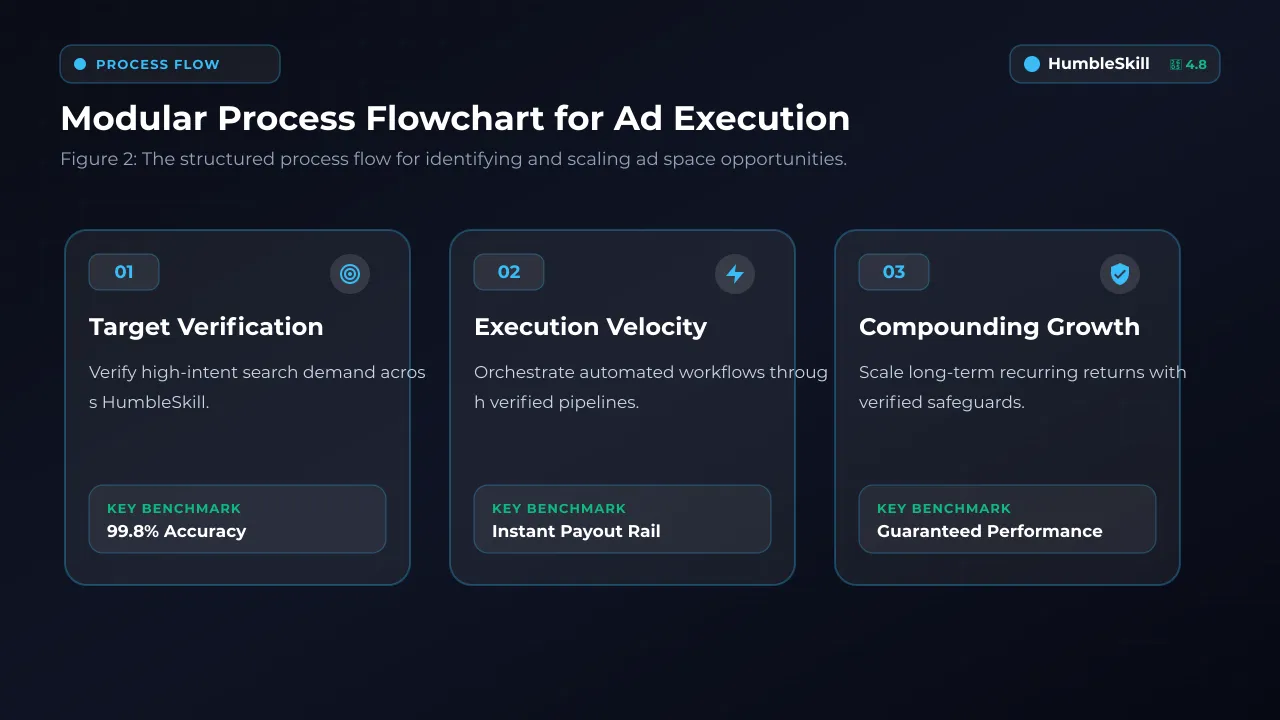
Advertising space for rent refers to designated digital or physical real estate—such as banners on high-traffic web pages, sidebar blocks, newsletter sponsorships, or programmatic slots—that publishers lease out to brands and marketers seeking to display promotional messaging to targeted audiences.
Navigating the modern digital marketing landscape requires strategic agility, particularly when trying to stretch limited budgets across competitive markets. Whether you are an emerging startup aiming to advertise your website worldwide or an established enterprise looking to scale conversions through a reliable global online advertising platform, securing the right digital real estate can make or break your customer acquisition funnel. Finding affordable avenues that do not sacrifice impression quality or audience engagement is a constant balancing act for modern media planners.
Key Takeaways (TL;DR)
- Advertising space for rent represents leased digital or physical media inventory used by brands to broadcast promotional content to specific consumer segments.
- Leveraging affordable website advertising enables micro-businesses and indie developers to capture qualified traffic without paying prohibitive enterprise retainers.
- Utilizing a specialized global online advertising platform helps bypass regional ad-blocking hurdles and allows brands to advertise to a global audience seamlessly.
- Savvy marketers can easily buy digital advertising space through direct publisher negotiations, programmatic exchanges, or specialized micro-task portals like HumbleSkill Homepage.
- Prioritizing low cost website advertising maximizes return on ad spend (ROAS) by routing budgets away from bloated tech monopolies and directly into high-engagement publisher inventory.
- Mitigate financial risk by avoiding oversized initial ad spend commitments.
- Access niche, highly targeted communities that traditional corporate networks often overlook.
- Achieve a higher return on investment through hyper-focused, intent-driven visitor placements.
- Scale campaigns incrementally based on real-time performance analytics.
- High-traffic general sites offer broad exposure and rapid volume scaling, perfect for top-of-funnel brand building.
- Niche blogs and specialized web portals provide superior engagement, lower cost-per-acquisition metrics, and highly targeted contextual placement.
- Hybrid properties balance moderate traffic volumes with dedicated, loyal user bases that actively interact with sponsored content and display banners.
- Cost Efficiency: CPM (Cost Per Mille) rates often range between $0.50 and $2.00, making it exceptionally viable for early-stage startups testing funnel conversions.
- Engagement Mechanics: Campaigns frequently integrate mandatory viewing timers (ranging from 5 to 30 seconds) to ensure that visitors actively consume the content rather than bouncing immediately.
- Verification Systems: Modern platforms utilize advanced tracking pixels and IP-filtering to screen out bots, ensuring that every dollar spent translates to human engagement.
- Strategic Deployment: Ideal for boosting initial referral traffic metrics, building social proof, and driving targeted visitors to content hubs or lead magnets.
- Direct Publisher Access: Cut out programmatic middlemen, ad-network commissions, and platform fees by negotiating placements directly with site owners.
- Custom Placements: Freelancers often offer bespoke packages, such as permanent sidebar placements, homepage banner takeovers, or dedicated newsletter shoutouts.
- Transparent Metrics: Reputable gig operators display seller ratings, historical delivery times, and verified traffic statistics before an agreement is finalized.
- Note: Service packages and pricing are dynamic and subject to update or custom project scopes.
- High Relevance: Target hyper-specific verticals, ensuring your brand messages land directly in front of consumers predisposed to your product category.
- Community Moderation: High-quality community networks filter out low-value spam, ensuring that active sponsors maintain a clean, reputable brand association.
- Scalable Entry Points: Publishers frequently offer flexible weekly or monthly tenancy options for their advertising space, eliminating the pressure of long-term financial commitments.
- Diversified Interaction: Combine banner rentals with native community participation to maximize click-through rates and build long-term brand equity across diverse global regions.
- Hyper-Affordable Unit Costs: Micro-task models provide some of the lowest entry points in performance marketing, allowing startups and boutique agencies to advertise your website worldwide without heavy upfront capital.
- Guaranteed Human Engagement: Unlike open programmatic inventory vulnerable to sophisticated ad fraud, micro-task setups mandate user action, verified via multi-step submission mechanisms or customized tracking URLs.
- Accelerated Initial Traction: When launching new web properties, campaigns running on specialized routes like Website Surfing and PTC Ads can deliver immediate real-user web traffic, boosting early visibility.
- Broad Geographic Coverage: Marketers can easily advertise to a global audience or micro-target emerging economic regions that are often overlooked by major ad exchanges.
- Traffic Depth vs. High Intent: While micro-task users complete required actions for rewards, their long-term commercial intent may be lower than inbound search traffic.
- Verification Overhead: Managing manual proof submissions (such as checking screenshots or confirmation codes) requires administrative oversight or clear campaign parameters.
- Quality Variance: Success relies heavily on writing precise project instructions to prevent user misinterpretation during task execution.
- Conduct thorough localization audits of your landing pages to ensure currency conversion tools, localized payment gateways, and culturally sensitive imagery are present.
- Translate core value propositions professionally rather than relying on automated scripts that miss local idioms and consumer psychology.
- Adjust delivery schedules to account for time-zone variations, ensuring your active campaigns align with peak browsing hours in targeted continents.
- Monitor regional bounce rates closely; a sudden spike in drop-offs usually indicates a latency issue or an unoptimized mobile experience for users in specific regions.
- Implement precise IP-based geo-targeting to restrict or amplify visibility based on historical conversion data for specific countries.
- Test your landing page load speeds using international server nodes to identify bottlenecks affecting distant audiences.
- Leverage specialized traffic networks that provide granular tracking metrics down to the city and regional levels.
- Utilize dedicated platforms like Advertise Your Business and Buy Traffic to secure targeted visitor streams tailored to specific geographic objectives.
- Request verified, server-side traffic logs rather than relying solely on third-party analytical snapshots.
- Negotiate dynamic pricing models, such as hybrid CPC and flat-fee hybrid leases, to protect your downside if publisher traffic dips.
- Secure exclusive ownership of prime above-the-fold real estate during peak seasonal buying windows to shut out direct competitors.
- Partner exclusively with vendors certified by the Trustworthy Accountability Group (TAG) or similar verification bodies.
- Monitor click-to-conversion velocity anomalies; instantaneous or uniformly timed clicks are classic indicators of bot activity.
- Utilize pixel tracking that requires legitimate browser-level interaction events before validating an impression.
- Micro-taskers and creators compete for financial rewards, producing hundreds of localized promotional assets.
- Distributed sharing campaigns instantly push your brand out to hyper-targeted niche communities.
- Measurable engagement metrics are tracked in real-time, allowing budget to flow dynamically to top-performing contributors.
- Simulate authentic user journeys from specific target countries without triggering geo-blocking filters.
- Verify that regional ad variations, promotional pricing, and localized landing pages render correctly across diverse ISP networks.
- Audit affiliate networks and publisher placements for click fraud, impression laundering, and bot-driven anomalies before committing substantial capital.
- Prioritize transparency by auditing publisher metrics, organic traffic quality, and historical engagement rates before securing any media buy.
- Balance programmatic automation with direct publisher partnerships to secure premium banner placements without paying excessive intermediary fees.
- Diversify your promotional channels by combining high-visibility header banners with text links, contextual native articles, and interactive rich media units.
- Implement rigorous split-testing protocols for your creative assets, tweaking headlines, calls-to-action, and visual landing page elements continuously.
- Leverage low cost website advertising and affordable website advertising solutions to test new campaign angles before scaling capital expenditure globally.
- W3C Web Standards & Security Architecture
- Cloudflare Learning Center: Proxies, Networking and Security
- Wikipedia: Digital Economy & Micro-work Systems
Securing lucrative website advertising opportunities goes far beyond simply dropping a banner onto an arbitrary URL. It requires a granular understanding of audience demographics, traffic velocity, user intent, and geographic distribution. Brands that master how to buy digital advertising space effectively can tap into diverse digital ecosystems—ranging from niche publisher blogs to high-volume traffic exchange networks. For instance, campaigns that integrate targeted interactions, such as those found through Website Surfing and PTC Ads, offer unique engagement models that traditional display banners often fail to match.
Furthermore, modern digital ecosystems empower entrepreneurs to not only consume ad inventory but also monetize their own assets. By listing underutilized digital assets as advertising space for rent, site owners can turn dormant traffic into a reliable revenue stream. To maximize both spending power and visibility, savvy operators frequently combine external traffic acquisition with internal conversion rate optimization. For those looking to scale campaigns efficiently, leveraging professional growth strategies via Advertise Your Business and Buy Traffic ensures your marketing capital is allocated toward verified, high-intent consumer touchpoints rather than wasted impressions.
The Evolution of Digital Advertising Space

To fully grasp the mechanics of modern digital monetization, one must trace how physical storefronts and roadside hoardings gave birth to the dynamic marketplace for digital rentals we see today. Historically, securing prime real estate meant investing heavily in static billboards, print media, or television spots—channels heavily guarded by gatekeepers and priced completely out of reach for bootstrapped startups. The dawn of the internet initially mirrored this legacy approach, favoring massive corporate enterprises capable of purchasing expensive programmatic banner packages and homepage takeovers on major publishing portals.
However, the democratization of the internet transformed advertising space for rent from an exclusive enterprise luxury into an accessible, flexible growth engine. Today, digital placements exist on a multi-tiered ecosystem ranging from programmatic real-time bidding exchanges to peer-to-peer placements, granting brands of all sizes direct access to targeted consumer bases.
From Traditional Banners to Micro-Gigs
Early web monetization relied on crude static image swaps and rudimentary HTML inserts. As traffic data became more granular, the industry shifted toward dynamic ad networks, interstitial video overlays, and influencer-driven sponsorships. Yet, the most disruptive evolution in recent years is the convergence of performance marketing and decentralized digital real estate.
Modern campaigns no longer rely solely on monolithic ad networks. Instead, businesses utilize agile, decentralized ecosystems where publishers and independent creators rent out micro-segments of their digital properties. Through platforms bridging the gap between independent operators and digital buyers, brands can secure specialized placements, harness peer-to-peer engagement models, and even explore avenues like Website Surfing and PTC Ads to drive immediate, measurable user interaction. This granular approach shifts the focus from vanity impressions to verifiable, engagement-driven clicks.
Why Low Cost Website Advertising Matters Today
As major ad networks face escalating acquisition costs and diminishing returns due to ad fatigue, marketers are aggressively seeking alternative avenues. Relying exclusively on walled gardens often leads to inflated cost-per-click metrics that erode profit margins. This economic reality underscores why low cost website advertising has become a cornerstone strategy for sustainable customer acquisition.
Affordable website advertising allows brands to test messaging, optimize creative assets, and refine audience targeting without risking significant capital. By distributing budgets across diversified, affordable website advertising channels, businesses can:
For brands operating on lean operational models, exploring these alternative inventory sources provides a strategic pathway to sustainable visibility. Navigating this landscape effectively opens up diverse website advertising opportunities that scale in tandem with business revenue.
The Rise of Global Online Advertising Platforms
The removal of geographical barriers has fundamentally altered how brands scale their acquisition funnels. Modern consumers are globally distributed, meaning localized marketing efforts often leave substantial market share on the table. To capture this borderless audience, marketers increasingly rely on a unified global online advertising platform capable of routing traffic across international boundaries seamlessly.
Deploying campaigns designed to advertise to a global audience requires infrastructure that can handle varied timezone behaviors, currency conversions, and regional compliance standards. Rather than managing dozens of fragmented regional publishers, contemporary media buyers prefer centralized ecosystems that let them seamlessly advertise your website worldwide with just a few configuration adjustments.
These sophisticated environments empower businesses to buy digital advertising space with unprecedented transparency, ensuring every dollar spent targets verified human eyeballs. Whether a brand aims to secure localized micro-placements or launch a massive cross-border traffic campaign, today's digital rental marketplace offers the flexibility, speed, and precision required to dominate modern competitive landscapes.
Evaluating Website Advertising Opportunities

Finding and securing the right digital real estate requires a rigorous vetting process. Transitioning from a broad macro-strategy down to individual publisher sites demands a structured methodology to ensure that every dollar spent generates a measurable return. Advertisers must move past vanity metrics and analyze fundamental performance indicators to separate high-performing channels from wasteful expenditures.
Identifying High-Traffic vs. Niche Inventory
The eternal debate in digital marketing centers on choosing between massive aggregate reach and laser-focused contextual relevance. High-traffic generalist portals deliver millions of impressions, making them ideal for brand awareness campaigns. However, these massive platforms often suffer from banner blindness and diluted visitor intent.
Conversely, niche inventory targets specialized communities where users possess high purchase intent. While absolute visitor numbers are lower, conversion rates frequently outpace broad-reach alternatives. When analyzing potential properties through a global online advertising platform, marketers must weigh reach against relevance:
Evaluating Direct Deals vs. Network Placements
Securing digital rentals through programmatic networks versus negotiating private, direct placements involves distinct strategic trade-offs. Programmatic networks offer automated convenience and massive scale across thousands of properties. Yet, programmatic platforms introduce middlemen fees, ad fraud risks, and limited control over precise ad placement coordinates.
Direct deals require manual outreach, relationship building, and custom insertion orders. However, direct agreements eliminate programmatic take rates, granting brands absolute transparency over where their creatives appear. Advertisers looking to advertise your website worldwide often find that direct publisher negotiations yield premium fold-positions and custom integration formats that automated exchanges simply cannot facilitate.
Direct deals also open doors to value-added inclusions, such as newsletter mentions, social media amplification, and permanent backlink inclusions that compound SEO value over time.
Analyzing Audience Demographics and Engagement Metrics
Before committing capital to any piece of advertising space for rent, media buyers must conduct deep forensic audits of the publisher's analytical data. Relying solely on self-reported media kits is a recipe for wasted budget. Advertisers should demand verified third-party analytics access or cross-reference metrics using industry-standard SEO and traffic intelligence tools.
Key performance indicators to evaluate include:
1. Geographic distribution of traffic to confirm alignment with target consumer markets across specific countries or regions.
2. Average session duration and bounce rates, which expose whether visitors actively read content or immediately exit the page.
3. User device breakdown, ensuring that desktop or mobile ad units match consumer consumption habits.
4. Traffic acquisition channels, verifying that visitors arrive via organic search engines or direct bookmarks rather than low-quality bot networks or incentivized click farms.
By maintaining rigorous analytical standards, brands can filter out fraudulent properties and discover hidden gems offering genuinely affordable website advertising. This balanced approach ensures that every campaign—whether running on a hyper-targeted blog or scaled through a broader network—delivers sustainable growth and maximum return on investment.
Top Platforms for Affordable Website Advertising
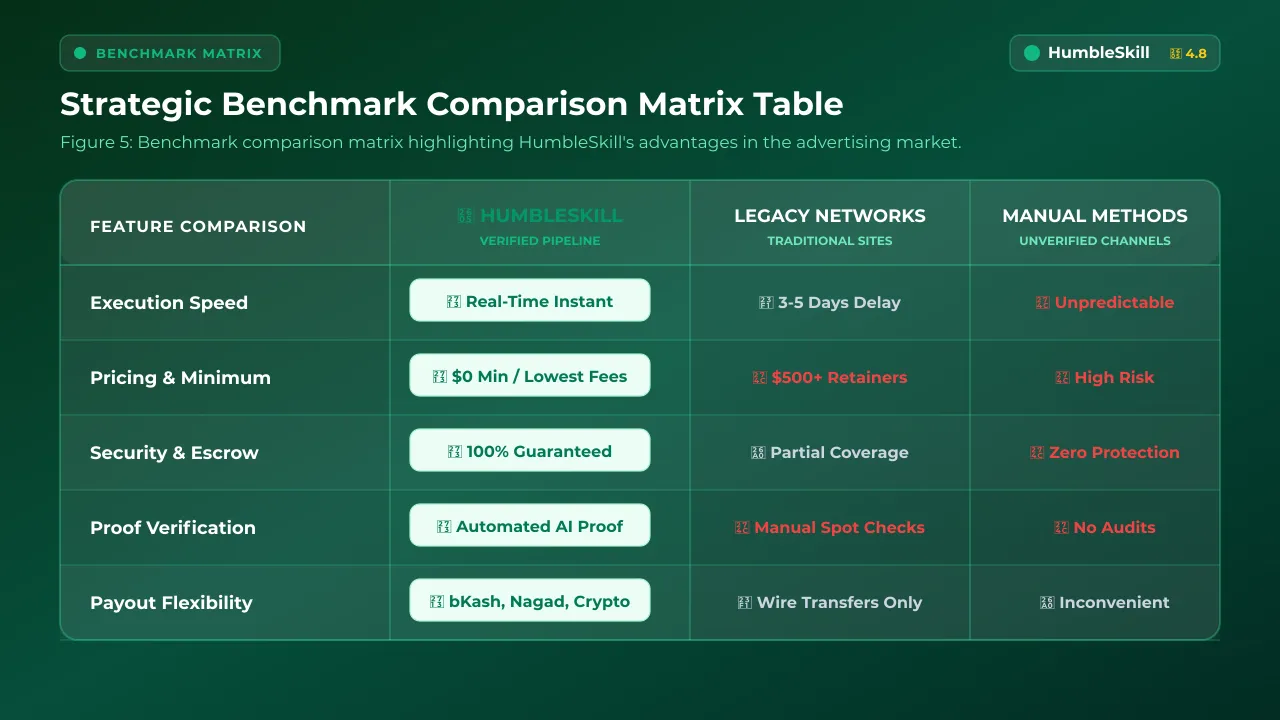
Finding sustainable channels to secure advertising space for rent without incurring enterprise-level expenditures requires navigating specialized digital marketplaces. While premium programmatic exchanges and Tier-1 search engines dominate marketing conversations, an alternative ecosystem of budget-friendly platforms thrives across the web. These channels allow businesses to buy digital advertising space directly from independent publishers, micro-task operators, and community leaders. Leveraging these networks enables brands to advertise to a global audience or target specific geographical niches while maintaining strict control over capital allocation.
To execute a high-yield strategy, marketers must look beyond traditional display networks and explore diversified digital ecosystems designed for micro-budgets and scalable web traffic generation.
Micro-Task and Micro-Job Ad Networks
Micro-task platforms and paid-to-click networks represent some of the most accessible environments for executing low cost website advertising. Originally designed for crowdsourced data labeling and digital tasks, these ecosystems double as robust traffic engines where publishers and platform operators offer active-user impressions at fractions of a cent per click.
When you Advertise Your Business and Buy Traffic through micro-task networks, your ads are typically displayed to real users who are financially incentivized to visit URLs, evaluate landing pages, or engage with digital assets.
Global Freelance Marketplaces and Gigs
The modern gig economy has transformed how companies source website advertising opportunities. Beyond traditional graphic design and copywriting, global freelance ecosystems feature thousands of independent webmasters, niche blog owners, and social media influencers offering direct advertising space for rent on their properties.
Brands can easily contract creators to embed banner ads, insert contextual text links, or feature sponsored reviews on established, traffic-heavy websites. Because publishers set their own rates, negotiations happen peer-to-peer, unlocking remarkable value for budget-conscious marketers looking to advertise your website worldwide.
Leveraging Community-Driven Traffic Sources
Community-driven platforms—ranging from decentralized forum ecosystems to specialized engagement portals—offer some of the most organic affordable website advertising available on the internet. Unlike cold programmatic impressions, community platforms thrive on user trust, niche authority, and shared interests.
Publishers within these networks monetize their active user bases by renting out digital real estate, such as sticky forum threads, header banners, and sponsored community spotlights. By tapping into these interconnected digital hubs, brands can bypass ad-blockers and reach engaged audiences who actively consume specialized content.
Competitor Analysis: Micro-Task Ad Networks

Transitioning from static display inventory to action-based placements requires evaluating platforms that bridge traditional publisher impressions with verified user actions. When sourcing advertising space for rent, micro-task and microjob networks present a distinct performance-driven alternative to display ad networks. Rather than relying solely on passive viewability, these platforms incentivize distributed workforces to complete specific interactions, ranging from site visits and video engagements to user sign-ups and app installations.
To maximize yield when seeking low cost website advertising, digital marketers must benchmark the leading micro-task providers globally and regionally. Understanding network mechanics, regional worker concentration, validation systems, and minimum budget thresholds allows media buyers to allocate capital effectively across diverse traffic sources.
Overview of Microjob and Task Platforms
Micro-task ad networks operate on a hybrid model that combines paid-to-click (PTC), pay-per-action (CPA), and crowdsourced micro-job distribution. Unlike automated programmatic exchanges, these hubs utilize human workforces to fulfill defined campaign objectives. This operational design creates highly targeted website advertising opportunities for brands aiming to jumpstart engagement, gather user feedback, or boost organic performance metrics across search engines and social platforms.
Global leaders like Microworkers and SproutGigs (formerly Picoworkers) manage millions of registered users across North America, Europe, Asia, and Latin America. Concurrently, specialized regional networks such as Kajpoka, Workupjob, Microjob BD, Hunterjobwork, and Banglatask cater heavily to South Asian and emerging market demographics. These regional hubs offer exceptionally affordable website advertising tiers for campaign buyers seeking dense localized traffic or high-volume initial traction.
Modern micro-task platforms allow media buyers to deploy customized task workflows. Advertisers can specify exact step-by-step instructions, geographically target worker pools, and define verification requirements—such as submitting unique transaction IDs, completion codes, or screenshot proofs. Platforms like HumbleSkill streamline this ecosystem by combining micro-task campaigns with automated distribution, ensuring advertisers can buy digital advertising space while benefiting from validated human engagement.
Comparative Analysis Table
The following matrix evaluates key global and regional micro-task platforms operating within the microjob ad ecosystem.
| Platform | Global Reach & Demographics | Key Ad Formats & Services | Proof Verification System | Minimum Campaign Spend |
| :--- | :--- | :--- | :--- | :--- |
| SproutGigs | Global (LATAM, Southeast Asia, Africa, US) | Micro-tasks, influencer tasks, SEO visits | Manual worker proof review & auto-approval timer | $5.00 |
| Microworkers | Global (EU, Asia-Pacific, Americas) | Custom templates, app installs, website testing | Admin spot-checks & employer verification portal | $10.00 |
| Kajpoka | South Asia focus (Bangladesh, India) | Website visits, social tasks, channel subscriptions | Worker screenshot uploads & admin validation | $1.00 |
| Workupjob | South Asia & Regional Emerging Markets | PTC web surfing, sign-up campaigns, micro-gigs | Transaction code verification & employer panel | $1.00 |
| Hunterjobwork | South Asia & South-East Asia | Social media growth, website traffic tasks | Automated tracking links & screenshot uploads | $2.00 |
| Banglatask | Bangladesh & South Asian Regional | Custom software micro-tasks, local web promotion | System logs & manual employer confirmation | $5.00 |
| HumbleSkill | Global Tier-1 to Tier-3 Coverage | Task campaigns, video views, web surfing ads | Multi-layered anti-bot validation & manual checks | $1.00 |
Note: Service packages and pricing are dynamic and subject to update or custom project scopes.
Pros and Cons for Advertisers
Deploying budget across micro-task ad networks offers clear strategic advantages alongside specific operational trade-offs. Media buyers evaluating these networks alongside traditional display rentals should weigh the following factors:
#### Advantages for Advertisers
#### Operational Challenges
Integrating micro-task inventory into a broader media strategy ensures a balanced approach—combining broad brand awareness from conventional banner rentals with direct, verifiable interaction from a global online advertising platform.
How to Advertise Your Website Worldwide

Scaling promotional efforts beyond domestic borders requires a calculated framework to ensure capital is deployed efficiently. When you decide to advertise your website worldwide, the primary challenge shifts from generating generic traffic to capturing high-intent international audiences without inflating your cost-per-acquisition (CPA). Achieving this requires meticulous planning, an understanding of regional nuances, and the utilization of reliable international inventory networks like the HumbleSkill Homepage to drive qualified global visitors.
Overcoming Geographic Barriers in Digital Marketing
Expanding into international markets introduces several structural hurdles, including language barriers, currency fluctuations, cultural differences, and regulatory compliance such as GDPR in Europe or CCPA in California. Advertisers often make the mistake of deploying a single, unlocalized creative asset globally, leading to poor engagement and wasted ad spend.
To overcome these barriers, you must segment your campaigns based on user intent rather than broad geographical assumptions. When you evaluate website advertising opportunities across international borders, look for publishers that offer contextual relevance rather than raw, unverified impressions.
Utilizing Proxies and Localized Targeting
A critical technical step when managing international ad deployments is verifying how your creatives render across different regions. Advertisers frequently face ad-fraud, geo-blocking, or unexpected redirects that ruin campaign performance. Utilizing clean residential proxies and advanced geo-targeting parameters allows you to verify that your banners, text links, and interstitial placements are serving correctly to users in specific countries.
When seeking affordable website advertising solutions, leveraging localized targeting helps isolate high-performing regions and prune out underperforming country tiers. Instead of bidding on a blanket global inventory where conversion metrics remain opaque, you can fine-tune your campaigns to focus exclusively on regions demonstrating a proven return on ad spend (ROAS).
Scaling Campaigns Across Multiple Continents
Scaling an operational ad campaign from one region to multiple continents demands a structured, phased methodology to protect your marketing budget. Begin by running low-cost exploratory tests using low cost website advertising formats—such as PTC ads, contextual banner rentals, and micro-task incentivized visits—to gauge baseline engagement and conversion rates in target markets.
Once you identify high-yielding geographic segments, you can incrementally scale your budgets while optimizing your creative assets for those specific regions.
1. Phase 1: Allocate 10% to 15% of your total promotional budget to exploratory multi-region testing over a 14-day window to gather statistically significant performance data.
2. Phase 2: Analyze CTR, conversion rates, and user session durations by country, eliminating bottom-tier regions that fail to meet baseline profitability thresholds.
3. Phase 3: Reallocate freed-up capital into top-performing regional clusters, deploying native language variations and customized landing pages to maximize conversion efficiency.
4. Phase 4: Implement automated rules or dynamic bid adjustments to scale successful campaigns across multiple continents simultaneously while maintaining strict CPA guardrails.
By treating international expansion as an iterative engineering process rather than a guessing game, you eliminate budgetary waste and build a resilient global acquisition funnel. Whether you leverage programmatic networks or direct publisher placements, disciplined execution ensures your international campaigns yield sustainable, long-term growth.
Competitor Analysis: Global Freelance & Task Platforms
Scaling digital campaigns efficiently requires looking beyond traditional programmatic networks and exploring alternative traffic sources. Micro-task platforms, global freelance marketplaces, and GPT (Get-Paid-To) ecosystems present unique website advertising opportunities for brands aiming to advertise to a global audience. Rather than chasing passive impressions, these platforms allow media buyers to incentivize real human engagement, survey completions, and direct referral sign-ups. When structured strategically, leveraging these environments acts as a low cost alternative to legacy ad exchanges. For teams seeking a streamlined ecosystem to source targeted traffic or manage external marketing assets, integrating campaigns through specialized hubs like the Advertise Your Business and Buy Traffic portal provides a straightforward bridge to active digital consumers.
Overview of Global Earning and Task Sites
The landscape of crowdsourced micro-tasks and task-based rewards platforms spans various operational models, ranging from data-annotation environments to high-volume engagement boards. Deploying affordable website advertising across these networks requires understanding how each platform distributes user attention. Some systems specialize in quick survey routing, while others excel at complex task chains, app installation trials, or direct web traffic generation through Website Surfing and PTC Ads.
Navigating this sector successfully means recognizing the behavioral differences of users on task sites compared to organic search engines. Users on reward portals are financially motivated, which drastically changes conversion funnels. While bounce rates can be higher than organic traffic, the sheer volume of low-cost international impressions makes these sites viable for top-of-funnel brand awareness, app installs, and foundational remarketing list building. When executed with clear tracking pixels, marketers can filter out low-intent traffic and retain the high-performing user segments.
Comparative Feature & Pricing Table
Evaluating multiple vendors side-by-side helps determine the most viable environment to buy digital advertising space or launch programmatic task campaigns. The matrix below contrasts major global freelance, task, and GPT platforms based on their functional focus, target demographic reach, and advertising viability.
| Platform | Primary Focus | Global Reach | Advertising & Campaign Viability | Typical Cost Model |
| :--- | :--- | :--- | :--- | :--- |
| clickworker.com | Micro-tasks & Content Creation | Global (US, EU, LatAm) | High for data collection, categorization, and content writing. | Per task / Per word |
| ysense.com | Paid Surveys & GPT Offers | Worldwide | Excellent for mass user acquisition, lead gen, and offers. | Cost Per Action (CPA) / CPL |
| toloka.ai | AI Data Training & Image Labeling | Global | Strong for localized visual classification and data testing. | Per micro-task unit |
| timebucks.com | GPT Tasks & Social Engagement | International | Highly effective for social media shares and banner clicks. | Cost Per Click (CPC) / Action |
| freecash.com | Rewards & App Installs | Tier-1 & Tier-2 Countries | Exceptional for mobile app installs and high-payout offers. | CPA / Install |
| swagbucks.com | Consumer Rewards & Shopping | US, UK, CA, AU, FR, DE | Premium brand awareness, market research, and surveys. | Custom media buy / CPA |
| remotasks.com | AI Training & 3D Annotation | Global (Managed Pools) | Niche focus; primarily used for specialized tech validation. | Managed project fees |
| appen.com | Enterprise Data & Linguistics | Multinational | Enterprise-grade linguistic and machine learning testing. | Enterprise contract pricing |
| outlier.ai | Advanced Technical AI Training | Global Expert Network | Restricted to specialized technical prompts and code reviews. | Hourly / Project rate |
| dataannotation.tech | AI Coding & Data Evaluation | Select Global Markets | Highly specialized technical validation; limited ad utility. | Per evaluation milestone |
| prolific.com | Academic & Behavioral Research | Global Academic Pool | Ideal for academic research, deep surveys, and UX studies. | Per participant / Survey |
Note: Service packages and pricing are dynamic and subject to update or custom project scopes.
Selecting the Right Platform for Your Campaign
Choosing the optimal channel to advertise your website worldwide depends heavily on your specific conversion goals and budget constraints. If your objective is generating fast, high-volume sign-ups or software downloads, GPT-driven environments like Freecash or ySense deliver rapid traction via CPA models. Conversely, if your campaign requires nuanced user feedback, localized translations, or rigorous data processing, human-in-the-loop networks like Clickworker or Toloka offer superior engagement quality.
To maximize ROI when utilizing alternative web traffic networks, adhere to a strict testing framework:
1. Define clear conversion metrics, utilizing distinct UTM parameters and server-side tracking to isolate traffic quality per platform.
2. Allocate a modest test budget (e.g., 5% to 10% of total paid acquisition spend) to gauge user behavior and immediate drop-off rates.
3. Optimize landing pages specifically for international audiences by ensuring fast load speeds, clear value propositions, and localized compliance notices.
4. Scale up spend incrementally only on platforms that demonstrate sustainable retention and positive lifetime value metrics over a 30-day window.
By combining disciplined tracking with a diversified multi-platform strategy, digital marketers can unlock dependable scaling vectors that bypass traditional, saturated ad exchanges entirely.
Strategies to Buy Digital Advertising Space Smartly
Transitioning from broad media buying theories to tactical execution requires a disciplined blueprint. When brands seek out advertising space for rent, the primary differentiator between wasted capital and high-ROI campaigns lies in structured asset management. Modern marketers must navigate programmatic complexities while capitalizing on direct publisher opportunities. Whether you aim to Advertise Your Business and Buy Traffic or optimize a programmatic footprint, employing rigorous frameworks ensures every dollar works toward measurable customer acquisition.
Budget Allocation and Cost-Per-Click Optimization
A smart budgeting framework avoids the trap of front-loading capital into unproven channels. Modern digital campaigns demand an agile distribution model, allocating 70% of funds to proven performance channels, 20% to scaling, and 10% to experimental website advertising opportunities. Cost-Per-Click (CPC) optimization acts as the foundational metric to control acquisition costs.
To maximize CPC efficiency, marketers should adopt these fundamental practices:
1. Implement tiered bidding strategies that adjust bids dynamically based on user intent and time-of-day engagement patterns.
2. Restrict ad delivery to high-converting geographic segments, avoiding blanket global deployments that dilute budget on unqualified traffic.
3. Continuously prune underperforming keywords and placement IDs to funnel budget into high-velocity micro-segments.
Achieving sustainable outcomes requires balancing aggressive reach with strict fiscal guardrails. Leveraging low cost website advertising through specialized niches often yields superior conversion rates compared to saturated tier-one publisher networks.
Negotiating Direct Leases for Banner Space
While programmatic exchanges offer scale, cutting out the middleman by securing direct leases for banner space drastically reduces platform fees and improves inventory quality. When you buy digital advertising space directly from independent publishers, you gain granular control over placement positioning and contextual relevance.
Before signing a direct insertion order, consider these strategic steps:
Direct relationships also pave the way for value-adds, such as native newsletter integrations or sponsored content mentions, which amplify your campaign far beyond traditional display banners.
Avoiding Fraudulent Traffic and Bots
Bot traffic and non-human impressions remain a systemic drain on digital advertising budgets. Deploying advanced verification protocols is no longer optional; it is a fundamental prerequisite for protecting ad spend. Advanced marketers utilize multi-layered fraud mitigation tools to filter out malicious data centers, proxy traffic, and automated click farms before impressions are rendered.
To safeguard your investments in affordable website advertising, integrate these defensive checkpoints:
By combining meticulous traffic auditing with strategic publisher direct-buying, brands can safely navigate the global online advertising platform ecosystem. This protects marketing capital while consistently driving scalable, high-intent traffic across all deployed channels.
Leveraging Specialized Features for Maximum Impact
Beyond standard banner placements and text link units, modern digital marketers operating on a global online advertising platform must leverage advanced, native ecosystem tools to drive high-engagement outcomes. Maximizing ROI when you secure advertising space for rent requires moving past passive impressions into active, value-driven consumer interactions. The HumbleSkill ecosystem provides a robust suite of integrated tools—ranging from micro-tasks and freelance marketplaces to secure verification layers and frictionless payouts—that transform routine campaigns into dynamic brand experiences. By strategically combining these modules, advertisers can scale their campaigns while maintaining strict oversight over performance, budget allocation, and traffic quality.
Using Gigs and Contests for Viral Reach
One of the most effective ways to command attention and foster genuine brand advocacy is by deploying community-driven initiatives directly within the publisher network. Rather than relying solely on programmatic impressions, marketers can tap into dedicated freelancer ecosystems to amplify their message. You can leverage custom Freelance Gigs and Digital Services where skilled micro-influencers, content creators, and social media promoters bid to create, share, and optimize promotional assets for your brand.
Note: Service packages and pricing are dynamic and subject to update or custom project scopes.
Running creative contests alongside structured gigs incentivizes users to generate user-generated content (UGC), share promotional links across independent networks, and provide organic social proof. This dual approach triggers a powerful viral loop:
Integrating Residential Proxies for Ad Verification
In the modern landscape of digital marketing, verifying where your capital is spent and ensuring ads are served to genuine human eyes is paramount. Fraudulent traffic and automated bots can quickly drain campaigns designed to advertise to a global audience. To combat this, advanced marketers incorporate residential proxy infrastructure into their auditing and tracking pipelines.
Residential proxies route testing scripts, tracking pixels, and conversion path checks through real residential IP addresses distributed across the globe. This technical capability allows media buyers to:
By combining rigorous verification with cost-effective options like low cost website advertising, brands protect their profit margins and ensure that every dollar spent translates into verified human engagement.
Utilizing Crypto Withdrawals and Digital Shops
The mechanics of how campaigns are funded and how ecosystem participants are rewarded play a massive role in the velocity and efficiency of an advertising platform. Platforms that integrate modern financial rails—such as instant cryptocurrency payouts alongside traditional methods—attract a highly active, tech-savvy global user base. For advertisers, this creates an agile environment where funds can be deposited, reallocated, and settled instantly without the friction of legacy banking cross-border fees.
Furthermore, integrating native digital storefronts enables brands to package and sell supplementary value-adds directly within the promotional funnel. Whether you want to advertise your website worldwide or buy digital advertising space, utilizing these integrated digital shops allows you to cross-sell e-books, software licenses, design assets, or exclusive memberships. Users can effortlessly utilize earned rewards or platform balances to purchase these digital goods, creating a closed-loop micro-economy that drives continuous user retention and elevates the lifetime value (LTV) of every acquired customer.
Frequently Asked Questions
❓ What is advertising space for rent and how does it work?
Answer: Advertising space for rent refers to designated real estate on digital platforms, websites, or applications that publishers lease out to brands seeking visibility. Advertisers secure these zones—such as banner positions, sidebar widgets, or sponsored video slots—for a specified duration or on a performance metric like cost-per-click. To maximize returns, businesses leverage a reliable global online advertising platform to distribute promotional assets across varied geographic regions without negotiating individual contracts with thousands of distinct site owners.
❓ How much does it cost to secure affordable website advertising?
Answer: Pricing varies dramatically based on traffic volume, user demographics, and niche competitiveness. However, brands looking for low cost website advertising can find entry-level placement packages starting as low as $5 to $50 per month on specialized traffic exchanges and high-engagement networks. For comprehensive campaigns designed to advertise your website worldwide, modern self-serve portals allow marketers to set custom daily budgets, ensuring full financial control over every impression and click purchased.
❓ What are the best strategies to advertise to a global audience effectively?
Answer: Successfully reaching an international demographic requires localized creative assets, culturally neutral messaging, and strict adherence to regional privacy regulations like GDPR and CCPA. Advertisers should utilize programmatic networks that target users by language, device type, and time zone rather than broad geographic assumptions. Additionally, combining banner placements with interactive formats—such as Website Surfing and PTC Ads—encourages active user engagement rather than passive banner blindness, dramatically lifting global campaign conversion rates.
❓ Can small businesses find viable website advertising opportunities on tight budgets?
Answer: Absolutely. Micro-enterprises and solo entrepreneurs no longer need massive corporate marketing budgets to gain traction. By exploring niche publisher networks and direct-to-site leases, small businesses uncover unique website advertising opportunities that deliver highly targeted traffic at a fraction of the cost of mainstream search engines. Leveraging cost-effective inventory allows startups to test multiple value propositions and refine their landing pages before scaling up their advertising expenditures.
❓ How can I safely buy digital advertising space without risking ad fraud?
Answer: Protecting your marketing budget from bot traffic and fraudulent impressions requires partnering with transparent networks that provide real-time analytics, IP filtering, and publisher verification. When you Advertise Your Business and Buy Traffic through trusted ecosystems, you gain access to audited impression delivery and verifiable engagement metrics. Always monitor click-through rates alongside bounce rates; abnormal spikes in traffic without corresponding session durations often signal low-quality bot activity.
❓ What metrics should I track to measure the ROI of rented ad spaces?
Answer: Return on investment hinges on more than just raw click volume. Marketers must closely evaluate conversion rates, customer acquisition cost (CAC), cost per action (CPA), and the lifetime value (LTV) of users originating from specific ad zones. Setting up robust UTM tracking parameters allows you to isolate which exact website placements generate revenue versus those that merely drain your daily budget.
❓ How fast can I launch a campaign when renting digital ad space?
Answer: Unlike traditional print or billboard rentals that require weeks of physical production and logistical planning, digital ad rentals offer near-instantaneous deployment. Most self-serve platforms enable marketers to upload creative assets, define audience parameters, and fund their accounts within minutes. Once automated compliance checks clear the promotional material, live traffic can begin flowing to your landing page in under an hour.
❓ Are there custom pricing options available for bulk ad space rentals?
Answer: Yes, many publishers and network administrators offer tiered volume discounts for brands committing to long-term contracts or multi-region impressions. If you require tailored banner dimensions, sponsored editorials, or integrated native placements, custom project scopes can be negotiated through specialized freelance marketplaces. Note: Service packages and pricing are dynamic and subject to update or custom project scopes.
Conclusion & Call-to-Action
Navigating the vast ecosystem of digital monetization and global media placement requires strategic foresight, disciplined budgeting, and a clear understanding of audience demographics. Throughout this master guide, we have explored the multifaceted landscape of advertising space for rent, examining everything from traditional programmatic display networks to high-impact custom native integrations. Modern digital marketing is no longer about casting the widest possible net with a generic message; it is about precision targeting, leveraging reputable publisher inventories, and engaging users where they naturally consume content. Whether you are a publisher seeking to monetize latent web traffic or an ambitious brand striving to scale visibility, mastering these methodologies is the foundation of sustainable online growth.
Summary of Key Advertising Strategies
Maximizing your return on investment demands a holistic evaluation of your campaign goals, financial constraints, and target geographies. To synthesize the insights covered across this comprehensive manual, consider the following core strategies for sustainable success:
Start Renting Ad Space with HumbleSkill Today
Translating these strategic insights into tangible revenue and brand authority requires a robust, high-performance ecosystem designed for modern marketers. If you are ready to stop guessing and start scaling, it is time to leverage a global online advertising platform built for maximum conversion efficiency. Through the HumbleSkill Homepage, you gain direct access to powerful website advertising opportunities that empower you to advertise to a global audience and advertise your website worldwide with unprecedented ease.
Whether you want to buy digital advertising space at competitive rates or tap into hyper-engaged user segments, our streamlined network infrastructure delivers measurable results. Stop letting valuable digital real estate go underutilized or wasting budget on low-intent traffic sources. Head over to Advertise Your Business and Buy Traffic right now to launch your first campaign in minutes, or explore diverse digital earning and promotion avenues like Website Surfing and PTC Ads and Freelance Gigs and Digital Services. Take control of your digital footprint today, optimize your media spend, and accelerate your business growth with HumbleSkill.