
Introduction: Navigating Online Jobs for College Students

Online jobs for college students are digital-first employment opportunities, remote freelance gigs, and micro-tasks designed to fit around academic timetables, enabling undergraduates to earn income from anywhere with an internet connection.
The reality of modern higher education is stark. Rising tuition fees, escalating textbook costs, and living expenses have pushed student debt to historic highs. For most university students, relying solely on traditional student loans or static allowances is no longer viable. At the same time, rigid part-time campus jobs or local retail shifts rarely accommodate erratic exam schedules, lecture hours, and late-night study sessions. This structural mismatch has fueled an unprecedented surge in demand for online jobs for college students, online part-time jobs for students, and remote jobs for college students who desperately need dynamic time management.
Finding sustainable income without sacrificing academic performance requires a strategic pivot toward flexible online work for students. Whether you are looking for steady monthly cash flow or high paying side hustles for university students, the digital economy offers unprecedented leverage. Platforms built for modern micro-tasks—ranging from the best micro job site in world networks to specialized digital portfolios—allow undergraduates to monetize existing academic skills, linguistic abilities, or even casual browsing habits.
Key Takeaways (TL;DR)
- Online jobs for college students provide vital financial relief while offering the schedule flexibility required to balance rigorous coursework, exams, and extracurricular commitments.
- Quick Cash Micro Jobs: Platforms like the Earn Money Online via Micro Tasks ecosystem let students execute bite-sized data entry, categorization, and digital optimization tasks between lectures for immediate payouts.
- AI Annotation & Data Training: As machine learning expands, students with analytical backgrounds can secure lucrative gigs training AI models through image tagging, transcription, and prompt testing.
- Humble Skill Opportunities: Leveraging platforms such as the HumbleSkill Homepage empowers undergraduates to explore diverse income streams, from passive earning options like Website Surfing and PTC Ads and Watch Videos and Earn Rewards to active professional scaling through Freelance Gigs and Digital Services.
- Rigid Scheduling Conflicts: Traditional employers build rosters weeks in advance around fixed operational hours. When surprise midterms, mandatory lab sessions, or group project deadlines emerge, shift adjustments are often denied, forcing students to choose between academic penalties or lost wages.
- Uncompensated Commute Overhead: Traveling to physical work locations burns valuable hours each week—time that could be spent studying or resting—while adding non-trivial costs for fuel, public transit, or parking.
- Physical and Cognitive Exhaustion: Standing on retail floors or working late-night kitchen line shifts induces physical fatigue that bleeds into morning lectures, drastically reducing focus, memory retention, and overall GPA.
- Fixed Earnings Ceiling: Hourly brick-and-mortar roles lock earnings to physical presence rather than output efficiency, offering zero scalability regardless of how quickly or expertly a task is executed.
- Asynchronous Execution: Students complete deliverables during peak focus hours—whether that is 6:00 AM before classes or midnight after library study sessions.
- Skill Accumulation and Portfolio Development: Remote roles double as career labs. A student performing data entry, content moderation, or graphic design builds tangible portfolio evidence long before graduation.
- Immediate Monetization via Micro-Tasking: For those needing immediate, zero-barrier liquidity without long onboarding processes, leveraging the best micro job site in world ecosystem allows students to exchange spare minutes between lectures for cash rewards. Platforms providing options to Earn Money Online via Micro Tasks enable low-friction monetization of downtime.
- Higher Earning Potential: Pursuing high paying side hustles for university students—such as technical copywriting, UI design, or digital marketing execution—shifts the income paradigm from low fixed hourly wages to value-based project pricing.
- Data Annotation & Categorization: Tagging datasets, evaluating search engine query relevance, or organizing text parameters for machine learning systems.
- Quick Verification & Research: Finding contact information for business directories, auditing local listing accuracy, or verifying website functionality.
- Click-Through & Ad Engagements: Utilizing specialized tools on Website Surfing and PTC Ads to view micro-advertisements and audit destination pages for campaign metrics.
- Micro Services & Digital Gigs: Offering targeted micro-services, such as graphic resizing or simple proofreading, via dedicated market listings.
- Target Sprint Hours: Monitor platform announcements for activity bonus periods where standard task rewards carry a 1.2x to 1.5x payout multiplier.
- Focus on Accuracy Ratings: High submission approval rates often serve as tie-breakers in contest standings, while protecting your account level for premium task pools.
- Capitalize on Leaderboard Bonuses: Combine high-volume tasks with bonus programs on platforms like HumbleSkill to earn extra cash rewards deposited directly into your daily withdrawal balance.
- Pros: Immediate platform access, zero startup capital required, absolute control over working hours, daily payout options, low cognitive barrier to entry.
- Cons: Lower individual task payouts compared to technical freelancing, potential task availability fluctuations based on client demand.
- Domain Specialization: Students majoring in computer science, linguistics, philosophy, or literature find immediate advantages, as platforms frequently hire subject matter experts to evaluate specialized technical code or nuanced creative outputs.
- Adherence to Style Guides: AI training tasks rely heavily on comprehensive rulebooks. Workers must internalize shifting instructions regarding formatting, bias mitigation, and safety guardrails.
- Consistency and Output Speed: While accuracy remains paramount, annotators are evaluated on throughput metrics, balancing rapid output with zero tolerance for factual hallucinations.
- Condense complex semester notes into structured, high-yield PDF study guides that appeal to stressed peers.
- Design minimalist graphic templates, social media content calendars, or digital sticker packs for creator economies.
- Program customized automation scripts or academic calculation spreadsheets using Python or advanced Microsoft Excel formulas.
- Verification processes often require government-issued identification or university student email addresses (.edu domains) to prove active enrollment status.
- AI training ecosystems such as Outlier.ai and DataAnnotation require rigorous identity checks, tax form submissions (W-9 or international equivalents), and occasionally video-recorded platform onboarding.
- Crypto-integrated options like Freecash offer near-instantaneous payouts, though students must factor in network gas fees and exchange volatility when converting digital assets to fiat currency.
- Automated quality auditors track keystroke speeds, response consistency, and reasoning depth; flagging anomalous patterns often triggers instantaneous, unappealable bans.
- Strict geo-location protocols mean that traveling home for semester breaks or utilizing public Wi-Fi networks can accidentally trip security algorithms, freezing accumulated earnings.
- Maintaining separate, dedicated browser profiles for each platform and strictly avoiding automated scripting tools or proxy servers ensures long-term asset security and preserves hard-earned side hustle revenue.
- Building custom web scrapers using Python (BeautifulSoup, Scrapy, Selenium) paired with proxy rotation algorithms to harvest price data without getting rate-limited.
- Conducting geo-targeted ad verification and localization testing to ensure multi-national ad campaigns render correctly across different regional IP ranges.
- Executing automated end-to-end user interface (UI) tests for software applications requiring access from diverse global networks.
- Freelancing as an automation specialist for business clients who require customized data pipelines, which can be offered directly through platforms like Freelance Gigs and Digital Services.
- University Network Compliance: Never run bandwidth-sharing nodes or web-scraping scripts on university dorm Wi-Fi or campus networks. Educational network Terms of Service (ToS) usually forbid commercial node operations, and high-volume traffic can trigger automatic network port suspensions.
- Containerization & Isolation: Always run bandwidth-sharing applications inside isolated virtual machines (VMs) or Docker containers. This prevents localized software vulnerabilities from exposing your primary operating system or personal files to network threats.
- Traffic Monitoring: Utilize network monitoring tools like Wireshark or GlassWire to track outbound traffic volume and ensure node applications only transmit legitimate HTTP/HTTPS web data.
- Targeted Specializations: Focus on high-barrier-to-entry subjects where generalist tutors struggle, such as machine learning fundamentals, algorithmic complexity, or biostatistics.
- Async Grading and Support: Beyond live video calls, offer asynchronous code review or problem-set grading for students operating in different time zones.
- Client Acquisition Strategy: Build authority by publishing detailed academic breakdowns or code walkthroughs, then convert engaged readers into private tutoring clients.
- Workflow Automation: Utilize productivity tools, AI scripting assistants, and calendar management extensions to compress a four-hour administrative workload into a streamlined 90-minute block.
- Niche Positioning: Position yourself as a technical virtual assistant who can handle basic API integrations, WordPress updates, and graphic design assets alongside standard calendar coordination.
- Note: Service packages and pricing are dynamic and subject to update or custom project scopes.
- Technical Localization: Translate user interfaces, software documentation, and mobile app strings where precise contextual understanding prevents critical UX errors.
- Turnaround Efficiency: Leverage industry-standard Computer-Assisted Translation (CAT) tools to build translation memories that speed up recurring enterprise projects.
- Skill Diversification: Combine linguistic capabilities with fundamental web platforms to discover supplementary revenue streams, maximizing earning capacity across multiple digital touchpoints.
- Zero Geographic Borders: Crypto rails do not care about international borders, visa statuses, or country-specific banking bans. Funds move directly from the platform wallet to the student’s personal non-custodial wallet in minutes.
- Minimal Transaction Fees: Traditional wire transfers routinely eat up $15 to $40 per transaction. In contrast, withdrawing via networks like TRC-20 for USDT or the Litecoin network costs mere cents.
- Protection Against Local Inflation: For students coming from emerging economies experiencing rapid fiat devaluation, converting earnings instantly into USD-pegged stablecoins preserves purchasing power.
- Instant Liquidity: Unlike traditional payroll cycles that force students to wait bi-weekly, crypto withdrawals offer on-demand liquidity, empowering undergraduates to cash out their earnings the moment a micro task or freelance gig is validated.
- Audit your weekly routine by tracking every hour spent on coursework, leisure, and scrolling to find hidden productivity windows.
- Assign rigid, non-negotiable color codes in your digital calendar for high-focus academic study versus client work or task execution.
- Implement the Pomodoro Technique (50 minutes of hyper-focused execution followed by a 10-minute complete disconnect) to prevent mental fatigue during long blocks of computer work.
- Set hard daily cutoffs for your digital side hustles, ensuring that evening hours are strictly preserved for deep-phase academic revision and rest.
- Use 15-minute windows between classes to clear out client communications, update project trackers, or submit completed deliverables.
- Dedicate short transit pauses to engaging with simple verification tasks, data categorization, or participating in Website Surfing and PTC Ads campaigns directly from a mobile device.
- Keep your digital tool stack synchronized across devices so you can transition instantly from reading a sociology textbook to executing a quick digital micro-task without setup friction.
- For students offering specialized skills, packaging services as bite-sized deliverables through Freelance Gigs and Digital Services ensures that clients can purchase pre-scoped tasks that fit neatly into your available operational windows (Note: Service packages and pricing are dynamic and subject to update or custom project scopes.).
- Unrealistic wage promises: Be deeply skeptical of listings offering entry-level data entry or simple typing tasks paying fifty dollars an hour.
- Fake check scams: A "client" sends a digital check to cover equipment purchases, instructing you to deposit it and wire a portion back to a third-party vendor before the check bounces.
- Vague job descriptions: Fraudulent listings often lack specific requirements, focusing entirely on how much money you can earn rather than the actual deliverables or technical skills needed.
- Pressure tactics: Scammers create artificial urgency, forcing you to accept an offer within hours to bypass your critical thinking.
- W3C Web Standards & Security Architecture
- Cloudflare Learning Center: Proxies, Networking and Security
- Wikipedia: Digital Economy & Micro-work Systems
Defining Online Jobs for College Students
To navigate this landscape effectively, one must look beyond traditional employment paradigms. Online jobs for university students encompass a broad spectrum of digital engagement. This includes asynchronous freelance writing, virtual tutoring, social media moderation, graphic design, and technical assistance. Unlike brick-and-mortar part-time roles, these digital positions eliminate commute times, reduce burnout, and allow learners to scale their work hours up during semester breaks and scale them down during midterms or finals week.
Furthermore, the democratization of remote work has introduced specialized entry points for individuals with zero prior professional experience. For instance, engaging with the best micro job sites allows a freshman with a smartphone and a laptop to start earning within minutes. Tasks may involve reviewing user interfaces, transcribing short audio clips, or participating in market research surveys.
As you progress through your academic journey, these foundational digital tasks can pave the way toward building robust professional portfolios. By treating online side hustles not just as a quick fix for grocery money, but as skill-acquisition stepping stones, students can graduate with both a degree and a competitive edge in the modern remote workforce. Whether your goal is to fund your semester or build long-term digital entrepreneurship skills via the HumbleSkill Homepage, understanding the mechanics of remote earning is the first step toward total financial independence.
The Rise of Flexible Online Work for Students

Moving beyond financial baseline concepts requires examining the fundamental shift in how modern undergraduates interact with the labor economy. For decades, pursuing secondary education while earning money meant sacrificing study time for rigid, location-bound shifts. Today, the rapid expansion of digital labor ecosystems has fundamentally altered this dynamic, creating unprecedented demand for online jobs for college students who need scalable, self-directed income.
Why Traditional Part-Time Jobs Fall Short
Traditional shift work—ranging from campus dining halls and retail storefronts to local restaurant service—has long served as the default path for student income. However, these legacy formats impose structural frictions that actively undermine academic performance and mental health.
This structural mismatch explains why flexible online work for students has evolved from an alternative option into an essential career strategy. Finding sustainable online part time jobs for students ensures that earning an income adapts to the academic calendar rather than disrupting it.
Benefits of Remote Jobs for College Students
Transitioning to digital platforms provides students with strategic control over their time and income trajectories. Unlike rigid shift work, remote jobs for college students offer modular earning structures tailored to the intense pacing of university life.
Primary benefits include:
Note: Service packages and pricing are dynamic and subject to update or custom project scopes.
By evaluating the best micro job sites alongside specialized freelance platforms, university students can build a diversified income stack that scales up during light academic weeks and scales down during final exams.
Balancing Coursework with Asynchronous Schedules
Succeeding with online jobs for university students requires mastering self-directed time management. Asynchronous flexibility is a double-edged sword: without clear operational boundaries, work deadlines can easily bleed into exam preparation.
To maintain high academic standing while maximizing online revenues, high-performing students implement structured time-blocking systems:
1. Audit Weekly Fixed Hours: Calculate non-negotiable commitments first—lectures, labs, study groups, and essential personal care.
2. Establish Dedicated Work Sprints: Block specific 60- to 90-minute digital work windows into calendar applications during natural energy peaks.
3. Set Threshold-Based Task Allocation: Use micro-task platforms during short 15-minute lecture breaks, while reserving complex freelancing projects listed under Freelance Gigs and Digital Services for dedicated weekend blocks.
4. Enforce Pre-Exam Quarantines: Pause client intake or high-effort gig bidding 7 to 10 days before midterm and final exam periods to protect GPA standards.
Adopting this disciplined framework allows students to capitalize on the economic shift toward remote work, ensuring that earning an income actively supports—rather than compromises—their higher education goals.
Micro Job Sites: Quick Tasks for Daily Payouts

To maintain this delicate balance between demanding academic workloads and financial independence, students often require flexible online work for students that demands zero long-term commitments and delivers immediate liquid payouts. Micro task platforms fulfill this need precisely. Rather than committing to rigid shift schedules, micro job ecosystems allow higher education students to monetize fragmented pockets of free time—such as a 15-minute gap between lectures or an evening study break—without risking burnout.
By taking advantage of specialized micro job networks, students can tap into global labor demands while building reliable daily cash flows.
Understanding Micro Tasks and Quick Earn Gigs
Micro tasks are modular, short-duration digital assignments that businesses outsource to crowdsourced networks. These workflows require human judgment for processes that automated algorithms cannot easily replicate. Common task categories include data verification, content categorization, app testing, web research, and promotional engagement.
For students exploring online jobs for college students, micro tasks offer an ideal entry point because they eliminate traditional hiring friction. There are no lengthy interview rounds or multi-stage onboarding procedures. Once an account is registered, workers can immediately access task feeds.
Platforms such as HumbleSkill streamline this experience through structured micro earning channels:
Note: Service packages and pricing are dynamic and subject to update or custom project scopes.
Because tasks take anywhere from 30 seconds to 10 minutes to complete, earnings accumulate incrementally. This granular model makes micro tasks one of the most accessible online part time jobs for students who need strict control over their daily study schedules.
Participating in Platform Contests for Bonus Cash
To optimize earnings beyond baseline task payouts, smart student workers utilize platform gamification features. The best micro job sites integrate competitive leaderboard structures, task completion races, and referral sprint contests designed to reward active users with direct cash bonuses.
On platforms optimized for global micro-workers, leaderboards rank participants based on daily, weekly, or monthly completion metrics. Finishing in the top tier of an active task sprint can boost overall earnings significantly without requiring additional task hours.
To turn basic micro jobs into high paying side hustles for university students, consider these contest strategies:
By strategically aligning work hours with contest cycles, students can convert standard remote jobs for college students into lucrative side revenue streams.
Maximizing Earnings Per Hour on Micro Task Platforms
While micro task sites offer unprecedented flexibility, maximizing your effective hourly rate ($/hr yield) requires a tactical workflow. Without clear boundaries, workers risk spending excess time on low-yield tasks.
To ensure your effort yields maximum returns on what many consider the best micro job site in world choices, follow this structured optimization plan:
1. Batch Similar Task Types: Group identical task formats together. Completing ten consecutive data validation jobs is far faster than switching context between surveys, ad surfing, and research tasks.
2. Bookmark High-Yield Workflows: Direct your primary effort toward proof-verified gigs listed under Earn Money Online via Micro Tasks, where compensation better reflects the required effort.
3. Track Hourly Earnings Rates: Calculate your effective rate every week. Filter out tasks that yield below your personal minimum target threshold.
4. Maintain High Qualification Scores: Many high-paying tasks require an initial screening test. Completing these assessments accurately unlocks exclusive client pools reserved for verified top-tier workers.
#### Micro Job Workflows for Students
By treating micro task platforms as structured, quantitative ecosystems rather than random side gigs, online jobs for university students can reliably supplement student budgets while keeping academic goals firmly on track.
AI Training & Data Annotation Roles for University Students
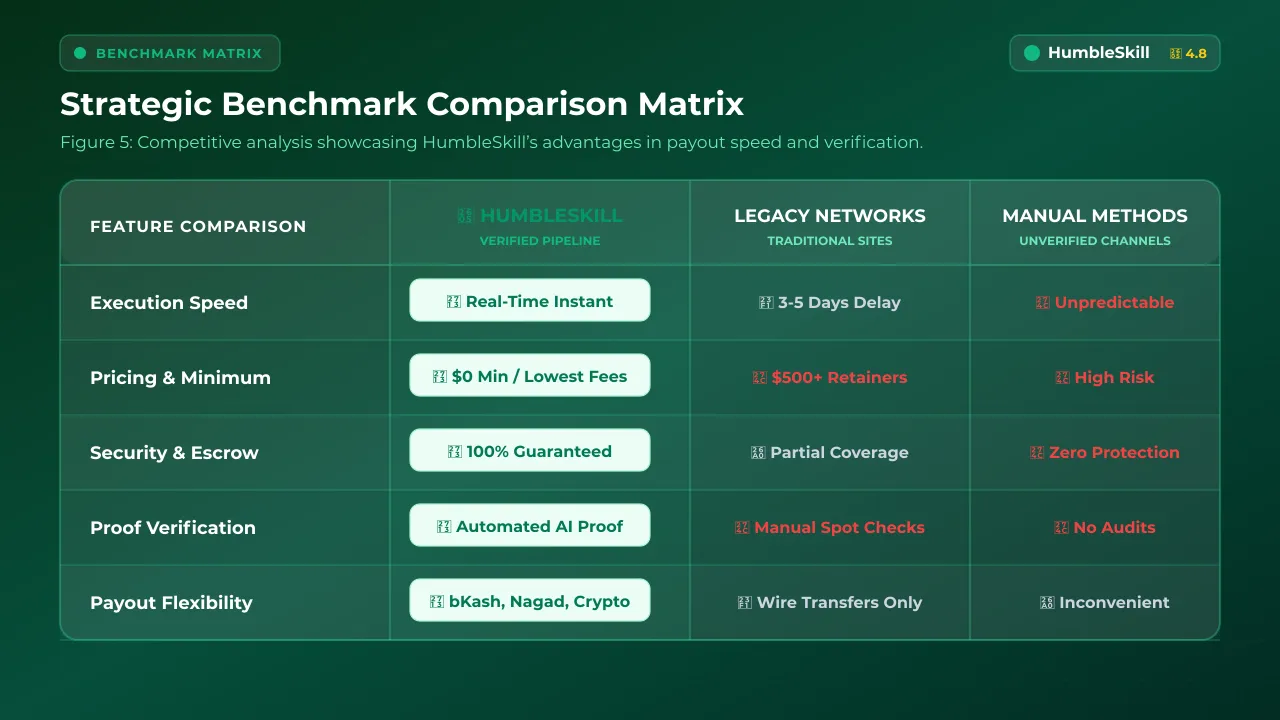
While traditional micro-tasks provide steady, low-barrier income, the explosive growth of artificial intelligence has completely revolutionized the landscape of online jobs for college students. Modern technology firms require vast quantities of human-annotated data, prompt variations, and behavioral evaluations to fine-tune large language models (LLMs). For undergraduates equipped with strong analytical and communication skills, specialized AI training positions offer some of the most lucrative and flexible online part time jobs for students available today, bridging the gap between basic task execution and advanced digital labor.
Evaluating Prompt Engineering & Data Labeling
Prompt engineering and data labeling are at the forefront of the generative AI boom, serving as primary entry points for remote jobs for college students. Data labeling involves evaluating raw datasets, categorizing images, tagging text sentiment, or identifying toxic speech to train machine learning algorithms. On the other hand, prompt engineering—and its specialized cousin, Reinforcement Learning from Human Feedback (RLHF)—requires students to act as cognitive sparring partners for AI systems.
Workers write complex prompts, test model outputs, rank multiple AI-generated responses based on accuracy, nuance, and tone, and justify their preferences in detailed written rationales. These high-paying side hustles for university students often command significantly higher hourly rates than traditional freelancing because they demand domain-specific knowledge—such as coding expertise, advanced mathematics, or humanities training. Many learners integrate these roles into their schedules by exploring structured workflows on platforms like Earn Money Online via Micro Tasks to diversify their daily digital earnings.
Required Skills and Accuracy Thresholds
Succeeding in AI training environments requires far more than basic internet literacy. Companies operating these platforms maintain rigorous quality control frameworks, utilizing strict accuracy thresholds to filter out low-effort submissions. Undergraduates must demonstrate exceptional reading comprehension, meticulous attention to detail, and the ability to articulate complex logical arguments clearly.
Failing to meet these benchmarks often results in swift account suspension, making diligence essential. To complement these technical pursuits, students looking to diversify their digital income streams can also explore alternative pathways such as Website Surfing and PTC Ads for passive earnings alongside their active annotation work.
Long-Term Prospects of AI Content Moderation
Beyond prompt testing, AI content moderation and model safety evaluation represent expanding frontiers for flexible online work for students. As artificial intelligence models become increasingly integrated into enterprise software and public consumer tools, companies must continuously protect their systems against adversarial attacks, prompt injections, and generated hate speech.
Students working in safety and alignment roles analyze edge-case scenarios, probing models for vulnerabilities and ensuring compliance with international ethical standards. This niche offers exceptional long-term career prospects. The competencies developed while auditing AI systems—such as critical thinking, risk assessment, and prompt optimization—translate directly into high-value digital competencies.
For students interested in packaging these newly acquired skills into independent digital services, exploring Freelance Gigs and Digital Services provides a viable avenue to scale operations Note: Service packages and pricing are dynamic and subject to update or custom project scopes. By mastering these sophisticated AI training roles, undergraduates secure immediate financial flexibility while future-proofing their resumes for an increasingly automated economy.
Freelancing & Digital Product Sales: Monetizing Student Talent

While performing micro tasks or training artificial intelligence models provides consistent entry-level income, ambitious undergraduates eventually look to scale their earnings by trading specialized capabilities. Transitioning from basic click-work to high-value freelancing represents the ultimate leveling-up phase for students seeking flexible online work for students. Modern digital marketplaces allow undergraduates to package their academic mastery, creative talents, and technical proficiencies into profitable commercial offerings. Through platforms like the HumbleSkill Homepage, ambitious learners can easily pivot from low-tier tasks to building a sustainable, scalable solo business that fits seamlessly around complex lecture schedules and exam blocks.
Selling Digital Assets in the Digital Shop
One of the most efficient pathways to passive income for undergraduates involves creating digital assets once and selling them infinitely. College students spend countless hours synthesizing lecture notes, designing aesthetically pleasing revision flashcards, building budgeting spreadsheets, and developing clean presentation templates. Instead of letting these valuable resources sit forgotten on a local hard drive, savvy students can package them into professional digital products.
Within dedicated student marketplaces like the digital shop ecosystem on Freelance Gigs and Digital Services, sellers list items ranging from Notion study planners to pre-formatted resume templates.
Once uploaded, these assets generate automated sales around the clock. This model eliminates the time-for-money trade-off inherent in standard hourly jobs, granting students the financial runway they need during intense examination periods.
Offering Skill-Based Gigs (Writing, Graphic Design, Coding)
Beyond passive digital downloads, active freelance service delivery remains one of the most lucrative high paying side hustles for university students. Clients across global markets constantly require specialized talent for short-term projects that do not justify hiring full-time staff. Undergraduates possess a unique advantage here: they are deeply immersed in current digital culture, emerging technologies, and academic research methodologies.
Whether your superpower is writing compelling search engine optimized blog posts, designing eye-catching brand logos on Canva or Adobe Illustrator, or debugging rudimentary software code, there is a thriving marketplace for your expertise. When establishing your service offerings, structuring clear, tiered pricing brackets helps attract diverse clientele. Undergraduates can list everything from basic proofreading services to comprehensive web development packages. Note: Service packages and pricing are dynamic and subject to update or custom project scopes. By carefully scoping out deliverables, students maintain complete autonomy over their workload, accepting only the projects that align with their weekly academic commitments.
Building a Student Portfolio That Converts Clients
Breaking into competitive freelance markets requires more than just listing a skill; it demands undeniable social proof. When potential clients scour online platforms for remote jobs for college students or independent specialists, they prioritize reliability and proven execution above all else. Building a high-converting portfolio while still on campus requires a strategic, step-by-step methodology:
1. Audit your academic and personal achievements to identify marketable core competencies, such as coding projects completed for computer science modules or essays that earned top marks.
2. Produce three to five mock portfolio pieces or spec projects tailored specifically to your target client base, demonstrating real-world problem-solving capabilities.
3. Optimize your profile description on specialized work portals by highlighting your academic discipline, rapid turnaround times, and technical software proficiencies.
4. Secure your initial reviews by offering introductory rates to your first few clients, subsequently leveraging those positive testimonials to raise your hourly or project rates.
By treating freelance micro-enterprises with professional rigor, undergraduates build resilient professional networks and robust portfolios long before graduation day. This proactive approach transforms temporary side gigs into formidable career springboards, ensuring financial stability and professional competence in the modern digital economy.
Comparative Analysis: Best Micro Job Sites in World (Global Microtasking)

Transitioning from long-term freelance commitments to rapid-fire digital execution requires a specialized understanding of micro-task ecosystems. For undergraduates managing fluctuating semester schedules, micro-tasking offers an ultra-accessible entry point into online jobs for college students. Unlike traditional employment requiring fixed shifts, micro-job sites allow users to monetize short blocks of time between lectures. To help students maximize their earning potential while balancing academic responsibilities, we must critically evaluate the platforms dominating the global remote landscape. Navigating these ecosystems effectively demands a clear comparative blueprint of payout structures, task types, and transaction overheads.
Micro Job Platform Comparison Matrix
Evaluating the best micro job site in world ecosystems requires looking past marketing claims to analyze actual liquidity, withdrawal thresholds, and international accessibility. The market spans hyper-localized platforms serving specific geographic regions and massive global infrastructures processing millions of automated validation tasks daily.
| Platform Name | Payout Minimum | Core Task Types | Global Availability | Transaction Fees |
| :--- | :--- | :--- | :--- | :--- |
| HumbleSkill | $1.00 - $5.00 | Micro Tasks, Video Viewing, PTC Ads, Freelance Gigs | Worldwide | Low / Standard Gateway Fees |
| SproutGigs | $5.00 | SEO Tasks, Social Media Engagements, Micro-Influencing | Global (Tier 1-3 Countries) | 3% to 6% + Withdrawal Fees |
| Microworkers | $5.00 | Data Categorization, Content Moderation, Surveys | Global (Strict Verification) | 7.5% Platform Fee + Processing |
| Clickworker | $10.00 | AI Training, Content Creation, Text Annotation, UHRS | Select Regions (US, EU, Select Global) | PayPal / Payoneer Standard Fees |
| Kajpoka.com | Low Threshold | Micro Jobs, Social Shares, App Testing | Regional (South Asia Focus) | Variable Local Gateway Fees |
| Workupjob.com | Low Threshold | Simple Sign-ups, Watch Videos, Data Entry | Regional & Emerging Markets | Low Localized Fees |
| Microjob.bd | Minimal Threshold | Social Media Likes, Commenting, Simple Surveys | Region-Specific (Bangladesh Focus) | Minimal Local Withdrawal Cut |
| Banglatask.com | Minimal Threshold | Micro Engagements, Telegram Joins, App Reviews | Region-Specific (South Asia) | Low Processing Deductions |
| Hunterjobwork.com| Low Threshold | Data Entry, Form Filling, Click-through Tasks | Emerging Markets & Global | Varies by Payment Method |
Reviewing this matrix demonstrates that online part time jobs for students are not one-size-fits-all. Platforms vary significantly in how they handle international transaction overheads and task validation workflows.
Feature Deep Dive: Micro Task Platforms & Task Volume
Understanding task volume and validation mechanics is critical for maximizing hourly earnings on remote jobs for college students. High-volume platforms like SproutGigs and Microworkers feature continuous streams of social media engagements, search engine optimization tasks, and basic data tagging. However, these platforms also feature intense competition, where thousands of workers vie for the same limited batch of high-paying tasks.
Conversely, specialized platforms offer unique pathways for online jobs for university students looking for specialized micro-engagements. For instance, exploring the Earn Money Online via Micro Tasks portal on HumbleSkill Homepage allows students to diversify their daily income through intuitive workflows. Rather than relying solely on repetitive social media interactions, workers can scale their daily returns by incorporating Watch Videos and Earn Rewards modules alongside Website Surfing and PTC Ads.
For students possessing specific technical or creative skills, transitioning from basic tasks to higher-value deliverables is paramount. Setting up offerings via Freelance Gigs and Digital Services lets undergraduates package specialized micro-services—such as digital asset creation, basic coding fixes, or transcription—commanding higher project rates. Note: Service packages and pricing are dynamic and subject to update or custom project scopes. Furthermore, business-minded undergraduates can leverage Advertise Your Business and Buy Traffic features to understand digital marketing funnels from an advertiser's perspective.
Regional vs. Global Task Availability
A major differentiator in the micro-job landscape is the division between hyper-localized portals and global giants. While platforms like Clickworker and Microworkers enforce strict geofencing, IP verification, and identity checks favoring Tier-1 countries (United States, Western Europe, Canada, Australia), regional platforms operate with high efficiency across emerging markets.
Platforms such as workupjob.com, microjob.bd, banglatask.com, hunterjobwork.com, and kajpoka.com cater heavily to student populations in South Asia and other developing economic zones. These sites provide high task densities for straightforward, lower-paying engagements that match local cost-of-living structures and currency exchange realities.
For international students seeking flexible online work for students across borders, the key is matching personal location profiles with platforms that offer frictionless payout processing. Global sites provide higher dollar-denominated payouts but carry stricter qualification exams, such as Clickworker's UHRS assessments. Regional platforms, meanwhile, offer near-instant task approval loops and accessible local payment integrations like mobile financial services or regional bank transfers. By strategically combining global platforms for high-value tasks with localized or versatile ecosystems like HumbleSkill, college students can construct a resilient, geography-independent micro-tasking income stream.
Comparative Analysis: AI, Survey & Research Platforms
Navigating the vast ecosystem of remote jobs for college students requires a clear-eyed evaluation of where to invest valuable study breaks. Not all digital income streams are created equal. While traditional GPT (Get-Paid-To) sites and survey aggregators offer low barriers to entry, specialized AI training, academic research portals, and technical micro-tasking environments yield drastically different returns on investment. Understanding how these platforms differ in payout structures, operational mechanics, and risk profiles is essential for maximizing online part time jobs for students without compromising academic commitments.
AI Annotation & Survey Benchmark Matrix
To systematically evaluate the high-paying side hustles for university students available on the modern web, we must look closely at metrics like typical hourly yields, skill requirements, and payout methods. The comprehensive matrix below maps out ten prominent platforms utilized by academic scholars globally to secure flexible online work for students.
| Platform | Core Focus Area | Estimated Pay Rate | Skill Barrier | Primary Payment Methods |
| :--- | :--- | :--- | :--- | :--- |
| ysense.com | Surveys, Offers, Tasks | $2.00 - $6.00 / hr | Low | PayPal, Payoneer, Gift Cards |
| toloka.ai | AI Data Training, Micro-tasks | $3.00 - $10.00 / hr | Low to Medium | PayPal, Skrypt, Payoneer |
| timebucks.com | Surveys, Content Engagement | $1.50 - $4.00 / hr | Low | Crypto, Payeer, Bank Transfer |
| freecash.com | Offer Walls, Gaming, Surveys | $4.00 - $12.00 / hr | Low | Crypto, PayPal, Gift Cards |
| swagbucks.com | Surveys, Shopping, Videos | $2.00 - $5.00 / hr | Low | PayPal, Amazon Gift Cards |
| remotasks.com | 3D Annotation, AI Training | $8.00 - $15.00 / hr | Medium | PayPal, Airtm |
| appen.com | Search Evaluation, AI Data | $9.00 - $18.00 / hr | Medium | Direct Bank Deposit, Payoneer |
| outlier.ai | Advanced Coding, LLM Training | $15.00 - $50.00 / hr | High | Direct Bank Deposit, PayPal |
| dataannotation.tech | AI Prompt Engineering, Coding | $20.00 - $40.00 / hr | High | PayPal, Stripe |
| prolific.com | Academic & Behavioral Research | $8.00 - $15.00 / hr | Low to Medium | PayPal, Wise |
Evaluating these options highlights a clear trade-off between cognitive effort and financial remuneration. For students seeking alternative or complementary pathways, exploring ecosystems like Earn Money Online via Micro Tasks or leveraging platform features such as Watch Videos and Earn Rewards provides diversified micro-earnings that complement rigorous research environments.
Evaluating Payout Speed, Reliability, and Verification
When relying on remote jobs for college students to manage living expenses, textbook purchases, or tuition gaps, cash flow timing is paramount. Payout speed varies drastically across platforms. Academic panels like Prolific typically process cash-outs instantly upon request via PayPal once a modest minimum threshold is met. Conversely, legacy survey brokers like Swagbucks and ySense may enforce a pending window ranging from 48 hours to several business days.
Furthermore, students should integrate auxiliary monetization strategies such as Website Surfing and PTC Ads or offering specialized digital services through Freelance Gigs and Digital Services to maintain steady liquidity between major AI project milestones. Note: Service packages and pricing are dynamic and subject to update or custom project scopes. For those managing promotional efforts or digital assets, utilizing options like Advertise Your Business and Buy Traffic provides additional leverage. You can explore broader resources directly via the HumbleSkill Homepage.
Platform Strictness and Account Ban Risks
One of the most critical operational challenges undergraduates face when working online is the persistent threat of abrupt account suspensions. AI annotation powerhouses and high-paying research networks enforce zero-tolerance policies regarding data quality, VPN usage, and multi-accounting.
Specialized Tech Opportunities: Residential Proxies & Web Data Tasks
While basic platform guidelines strictly prohibit masking your location to manipulate task availability, understanding how residential proxies and web data architectures operate opens up an entirely different tier of specialized `online jobs for college students`. For computer science, software engineering, and cybersecurity majors, turning network routing mechanisms into actionable services represents one of the most lucrative, `high paying side hustles for university students`. Rather than simply completing low-level manual inputs, tech-savvy students can participate directly in the infrastructure of web scraping, enterprise price aggregation, localized Quality Assurance (QA) testing, and peer-to-peer node management.
How Residential Proxies Work in Web Scraping & QA
Residential proxies are intermediary IP addresses assigned by Internet Service Providers (ISPs) to residential locations. Unlike data center IPs, which are easily identified and blocked by anti-bot firewall systems, residential proxy addresses appear as legitimate home internet users. Global enterprises, e-commerce giants, and cybersecurity firms regularly hire tech students to build, maintain, or participate in data gathering pipelines that rely on these networks.
Understanding these technical workflows enables students to offer specialized remote technical services, including:
Note: Service packages and pricing are dynamic and subject to update or custom project scopes.
Monetizing Unused Bandwidth and Node Testing
For students living in off-campus housing with unmetered, high-speed fiber connections, network bandwidth monetization offers a completely passive income stream. Peer-to-peer (P2P) network providers recruit residential nodes to allow verified corporate clients to route public web traffic for market research, SEO tracking, and content delivery network (CDN) benchmarking.
1. Bandwidth Sharing Apps: Platforms such as Pawns.app, EarnApp, and PacketStream allow users to run background applications that sell idle internet bandwidth. Revenue typically scales between $0.20 to $0.50 per gigabyte shared, yielding $15 to $50 per month in purely passive yield depending on your geographic region and network speed.
2. Distributed Node QA Testing: Enterprise infrastructure providers hire students to host low-power hardware nodes (like a Raspberry Pi) to monitor global internet latency, uptime, and DNS propagation.
Combining passive node earnings with active tasks on the best micro job site in world creates a diversified financial strategy, maximizing hourly earnings without requiring non-stop manual effort.
Security Considerations for Tech-Savvy Students
Engaging with residential proxy infrastructure and remote web data operations requires strict adherence to security protocols to protect your hardware, personal data, and institutional standing.
By approaching bandwidth management and proxy architecture with technical rigor, IT-focused undergraduates turn raw internet access and coding knowledge into highly flexible, secure income streams tailored for modern technical careers.
High Paying Side Hustles for University Students in 2025
Building upon technical fundamentals opens doors to more specialized, knowledge-intensive revenue streams. While basic data entry or standard task fulfillment provides steady baseline income, undergraduates possessing advanced academic training can command significantly higher hourly rates. Tapping into specialized skill sets allows students to transition from low-margin execution to high-margin consulting and creative production. Maximizing earning potential while maintaining a rigorous academic schedule requires aligning unique cognitive assets with high-demand digital marketplaces. Exploring avenues like Freelance Gigs and Digital Services provides an immediate entry point into packaging specialized academic knowledge for global enterprise clients.
Online Tutoring & Subject Matter Expertise
Advanced undergraduate coursework in STEM fields, advanced economics, or data science equips students with high-value knowledge that high school students and lower-division peers eagerly pay to master. Online tutoring has evolved far beyond basic homework help into structured, asynchronous mentoring, conceptual troubleshooting, and automated assignment review. STEM tutors specializing in calculus, organic chemistry, or Python programming frequently command upwards of $35 to $60 per hour on specialized platforms.
Virtual Assistance & Social Media Management
Modern digital enterprises, startups, and solo entrepreneurs continuously seek reliable operational support to manage their daily workflows. Virtual assistance has matured into a sophisticated sector involving CRM management, email funnel optimization, and technical community moderation on platforms like Discord and Slack. For undergraduates studying business, communications, or technical disciplines, these roles offer incredible schedule flexibility because many tasks are asynchronous and output-oriented rather than bound to a strict 9-to-5 clock.
Translation, Transcription, and Localization Work
Bilingual and multilingual university students possess a formidable cognitive asset that global brands actively monetize. Beyond basic word-for-word translation, contemporary localization requires deep cultural nuance, regional slang adaptation, and domain-specific vocabulary knowledge in legal, medical, or technical sectors. Similarly, advanced legal, academic, and media transcription has surged as video content creation accelerates globally. Utilizing automated AI speech-to-text tools for first-pass drafts allows students to focus entirely on meticulous proofreading and high-accuracy output, drastically reducing turnaround times.
For students looking to diversify beyond high-skill academic freelancing into simpler, bite-sized digital tasks during exam weeks, exploring the Earn Money Online via Micro Tasks portal provides a resilient alternative for continuous cash flow generation. By strategically balancing high-ticket subject matter expertise with low-friction digital tasks, undergraduates can curate a diversified income portfolio that safeguards their academic focus while meeting ambitious financial targets.
Global Payout Strategies & Crypto Withdrawals for International Students
Securing sustainable online jobs for college students is only half the battle for undergraduates studying outside their home countries. Once micro tasks, freelancing projects, or remote assignments are completed, international scholars frequently crash against a wall of antiquated banking restrictions, high wire-transfer fees, and predatory currency conversion rates. For non-resident students trying to pay tuition, housing, and living expenses, waiting five to seven business days for a traditional wire transfer—only to lose 5% to 10% in intermediary bank fees—is entirely unsustainable. Modern flexible online work for students demands a modernized, borderless financial infrastructure.
Overcoming Traditional Banking Restrictions
Traditional banking systems remain stubbornly localized. Many international students studying in the US, UK, or Europe struggle to open standard checking accounts due to lack of local credit histories, stringent visa paperwork, or prohibitive minimum balance requirements. Furthermore, receiving cross-border payouts from US- or Europe-based employers into a home-country bank account often triggers compliance flags, frozen funds, and exorbitant SWIFT charges.
To bypass these legacy roadblocks, savvy undergraduates are moving away from traditional wire networks and embracing alternative payout channels. Utilizing digital wallets, localized multi-currency accounts, and decentralized payout rails allows students to retain control over their earnings. Platforms designed for a global workforce recognize this friction, integrating frictionless payout mechanisms that function seamlessly regardless of whether the earner is based in Mumbai, Berlin, or Toronto.
Benefits of Fast Crypto Withdrawals (USDT, LTC, BTC)
The ultimate solution to international payment friction is the adoption of cryptocurrency payouts. When utilizing the best micro job site in world, students can opt to withdraw their daily or weekly earnings instantly via stablecoins like USDT (Tether), or fast-transacting cryptocurrencies like Litecoin (LTC) and Bitcoin (BTC).
On platforms like HumbleSkill Homepage, integrating digital asset withdrawals ensures that students engaged in Website Surfing and PTC Ads or Watch Videos and Earn Rewards receive their compensation immediately without banking interference. For those offering specialized skills through Freelance Gigs and Digital Services—where rates for digital assets are competitive (Note: Service packages and pricing are dynamic and subject to update or custom project scopes.)—crypto payouts guarantee that cross-border collaboration is as seamless as local commerce.
Managing Tax Compliance and Cross-Border Earnings
While crypto withdrawals and digital wallets eliminate geographic and banking friction, students must remain acutely aware of their tax obligations. Earning income online across international borders introduces complex compliance requirements that vary depending on visa restrictions and tax residency laws.
1. Determine Tax Residency: Generally, individuals physically present in a country for more than 183 days a year are considered tax residents, obligating them to report global income, including earnings from remote remote jobs for college students.
2. Track Every Payout: Maintain meticulous digital ledgers of all micro-task earnings, side hustles, and freelance contracts. Document the exact fiat value of crypto payouts at the exact timestamp they were received to satisfy local capital gains or income reporting standards.
3. Understand Visa Limitations: International students on F-1 visas in the United States, for instance, face strict limitations on off-campus employment. Consulting a university international student advisor regarding digital micro-tasks and freelance work ensures full legal compliance while building a sustainable digital income portfolio.
Essential Strategies for Balancing Academics and Remote Work
Navigating the dual responsibilities of pursuing a degree and earning an income requires more than just good intentions; it demands an ironclad operational framework. When students dive into online jobs for college students, the immediate allure of flexibility can quickly devolve into unstructured chaos if not managed with surgical precision. Maintaining a stellar Grade Point Average (GPA) while scaling digital revenue streams relies entirely on proactive schedule design, psychological boundary setting, and optimized micro-execution.
To prevent career ambitions from cannibalizing academic performance, students must treat their time as a finite, high-value asset. This means replacing passive time management with rigorous, systemized scheduling methodologies tailored specifically to dynamic university syllabi.
Time-Blocking Techniques for Maximum Productivity
The cornerstone of successful online part time jobs for students is time-blocking—a method where you divide your day into distinct blocks of time dedicated to specific tasks. Rather than working reactively, students should map out their weekly academic calendar, identifying fixed blocks for lectures, labs, and study groups.
Once these immutable academic blocks are established, the remaining white space can be strategically allocated for remote jobs for college students.
Avoiding Academic Burnout and Over-Commitment
The temptation to accept every incoming gig or scale up task volume is a primary trap for ambitious online jobs for university students. Burnout rarely happens overnight; it creeps in through chronic sleep deprivation, micro-stressors, and task-switching fatigue. When midterms or finals approach, digital income streams must seamlessly scale down to accommodate elevated academic demands.
To safeguard long-term mental health and academic output, establish clear boundary rules with remote clients or platforms.
1. Learn to gracefully decline ad-hoc projects or tighten your availability settings on freelance portals two weeks before major university examination windows.
2. Diversify your income sources so that stepping away from high-intensity freelance projects doesn't completely dry up your cash flow. Platforms offering passive earnings, such as utilizing the Watch Videos and Earn Rewards feature, allow you to maintain baseline revenue without cognitive drain during high-stress study weeks.
3. Prioritize high-paying side hustles for university students that offer asynchronous deadlines, giving you the autonomy to complete deliverables at 2:00 AM after an evening study session if necessary.
4. Schedule mandatory, guilt-free offline days dedicated entirely to socialization, physical activity, and mental decompression.
Leveraging Micro-Breaks Between Classes for Micro Jobs
One of the most underutilized assets in a student's schedule is the fragmented pockets of time between lectures, morning commutes, and campus transit gaps. Instead of wasting 30 to 45 minutes scrolling social media feeds, disciplined learners leverage these intervals to execute low-friction tasks. This approach transforms dead time into profitable execution windows without cutting into dedicated study hours.
Exploring the best micro job site in world ecosystems or registering on platforms like the HumbleSkill Homepage allows students to monetize these fractional blocks effectively.
By integrating these tactical frameworks, students unlock sustainable flexible online work for students that enhances—rather than undermines—their higher education journey.
How to Spot Scams and Protect Your Work Online
As you navigate the dynamic landscape of online jobs for college students, you will inevitably encounter predatory actors looking to exploit eager learners. While platforms like the HumbleSkill Homepage connect students with legitimate digital opportunities, the broader internet requires constant vigilance. Securing dependable online part time jobs for students or high-paying side hustles means developing a sharp eye for malicious schemes. Bad actors frequently target inexperienced applicants who lack established portfolios, utilizing psychological manipulation, false urgency, and too-good-to-be-true compensation structures to compromise financial security and personal data.
Red Flags: Upfront Fees, Deposit Scams, and Unrealistic Rates
The most immediate indicator of a fraudulent posting is any request for upfront capital. Legitimate employers never require candidates to pay for training materials, software licenses, application processing, or background checks out of pocket. If an enterprise claims you must deposit funds to unlock a higher tier of online jobs for university students, walk away immediately.
Verifying Platform Authenticity and Escrow Protection
Protecting your time and labor requires vetting the infrastructure behind every gig. Whether you are exploring the Earn Money Online via Micro Tasks portal or evaluating external boards, always verify that transactions run through secure, verifiable channels. The best micro job site in world ecosystems utilize built-in escrow systems where funds are deposited beforehand and released only upon task approval.
When assessing any marketplace claiming to be among the best micro job sites, look for SSL certificates, transparent company physical addresses, active customer support channels, and authentic user reviews on independent forums. Avoid communicating exclusively through encrypted messaging apps like Telegram or WhatsApp for initial hiring, as legitimate companies maintain professional corporate domains and structured interview processes. Furthermore, if you are outsourcing or offering specialized services through Freelance Gigs and Digital Services, ensure your scope of work is explicitly defined in writing to prevent scope creep or non-payment. (Note: Service packages and pricing are dynamic and subject to update or custom project scopes.)
Safeguarding Personal Identity and Financial Data
Your digital footprint is your most valuable asset during your academic career. When applying for remote jobs for college students, treat your personal identifiable information (PII) like cash. Never share your Social Security Number, bank account details, or passport scans during initial application phases. Legitimate onboarding for employment or verified flexible online work for students occurs strictly after a formal offer letter has been signed through official human resources portals.
1. Implement multi-factor authentication (MFA) across all email accounts, freelancing profiles, and financial portals using authenticator apps rather than SMS.
2. Utilize dedicated email addresses exclusively for job hunting to isolate potential phishing attempts from your primary academic inbox.
3. Regularly monitor your credit reports and financial statements for unauthorized inquiries or micro-transactions.
4. Avoid unauthorized data scraping platforms that demand access to your social media accounts or contact lists in exchange for micro-tasks or rewards.
By prioritizing platforms that maintain transparent operational standards and adhering to strict digital hygiene protocols, you safeguard your academic focus and ensure your online earnings remain secure.
Frequently Asked Questions About Online Jobs for College Students
❓ What are the best online jobs for college students with no experience?
Answer: Students lacking prior professional history can find immediate success by targeting entry-level roles that rely on foundational literacy, digital navigation, and basic critical thinking. The most accessible pathways include content moderation, data entry, transcription, and virtual assistance. For those needing maximum scheduling freedom, exploring the Earn Money Online via Micro Tasks portal provides straightforward categorical assignments like tagging images, evaluating search engine results, and testing user interfaces without requiring a formal resume. Additionally, students can leverage simple engagement tasks such as Watch Videos and Earn Rewards or browse Website Surfing and PTC Ads to monetize idle gaps between lectures.
❓ How much can university students realistically earn per month online?
Answer: Earnings vary drastically based on weekly time investments, skill sets, and the chosen monetization model. Entry-level micro-tasks and simple click-through activities typically yield between $50 and $200 monthly, serving primarily as pocket money. Conversely, structured online part time jobs for students—such as freelance writing, graphic design, or coding—can generate anywhere from $300 to $1,500 per month when dedicating 10 to 15 hours weekly. Students offering specialized digital services can list custom offerings through Freelance Gigs and Digital Services to scale their hourly rates above standard entry-level thresholds. Note: Service packages and pricing are dynamic and subject to update or custom project scopes.
❓ Are micro job site legitimate ways to pay for college expenses?
Answer: Yes, legitimate micro-task platforms provide legal, supplemental income, though they rarely replace a full-time professional salary. To avoid predatory scams, students must evaluate platforms based on transparent payment histories, clear terms of service, and absence of upfront registration fees. Real platforms never require users to purchase starter kits or pay for training materials. By reading independent user reviews, checking payout verification threads, and matching tasks against realistic time-to-income ratios, students can safely integrate these digital platforms into their budget for textbook purchases, meal plans, and campus housing incidentals.
❓ What is the best micro job site in world for fast payouts?
Answer: The platforms considered industry leaders for rapid liquidity are those offering low minimum withdrawal thresholds and automated digital wallet integration. The best micro job sites distinguish themselves by processing payouts within 24 to 48 hours via systems like PayPal, Payoneer, or direct crypto transfers rather than forcing students to wait for traditional monthly net-30 invoicing cycles. Prioritizing sites with instant or same-day processing ensures students can access emergency funds immediately when unexpected academic or living expenses arise.
❓ Can international students work online jobs without work visas?
Answer: International students studying abroad must carefully review the visa regulations governing their host country, such as the F-1 visa restrictions in the United States. Generally, campus employment or strictly authorized Curricular Practical Training (CPT) governs physical and local work. However, engaging in independent online micro-tasking, freelancing on international platforms, or providing remote digital labor for entities registered in the student's home country operates in a complex legal grey area. It is vital to consult a designated school official (DSO) or immigration attorney before undertaking any remunerative digital work to avoid jeopardizing student visa status.
❓ How do crypto withdrawals work on micro task platforms?
Answer: Many modern earning platforms utilize cryptocurrency—such as Bitcoin, Litecoin, or USDT—to bypass high international banking fees and provide near-instantaneous global settlements. To utilize this option, students must set up a secure external crypto wallet (such as MetaMask, Trust Wallet, or an exchange account). When requesting a payout, the user inputs their public wallet address, and the platform converts the platform balance into the chosen digital asset, transferring it across the blockchain. Students must account for network transaction gas fees and understand how to track cryptocurrency values for tax reporting purposes in their respective tax jurisdictions.
❓ What skills are required for high paying side hustles for university students?
Answer: Securing high paying side hustles for university students requires transitioning from basic task execution to specialized skill monetization. High-demand proficiencies include front-end web development, copywriting, search engine optimization (SEO) auditing, video editing, and specialized academic tutoring. Cultivating these capabilities through free online certifications, open-source projects, and personal portfolios allows students to command hourly rates ranging from $25 to $75+. Promoting these capabilities across professional networks and digital market ecosystems accelerates career growth and long-term financial independence.
❓ How do I balance full-time studying with online part time jobs for students?
Answer: Successful balancing hinges on rigorous time-blocking, transparent communication, and strict boundary management. Students should treat remote income-generating tasks with the same scheduling discipline applied to university lectures. Utilizing calendar applications to allocate specific windows for studying, working, and resting prevents burnout. Furthermore, leveraging asynchronous remote positions—where deadlines matter more than rigid clock-in times—ensures that mid-term exams or heavy research paper deadlines do not collide with professional obligations. For broader academic and career insights, visitors can regularly consult resources on the HumbleSkill Homepage to optimize their student workflow.
Conclusion: Start Your Remote Earning Journey Today
Navigating higher education while securing financial independence is a formidable balancing act. Throughout this ultimate guide, we have explored a diverse landscape of digital earning models tailored specifically to undergraduates and postgraduates alike. From quick-turnaround micro tasks and freelance writing to technical development and passive income streams, the digital economy offers unprecedented flexibility. Securing sustainable online jobs for college students requires more than just raw ambition; it demands disciplined time management, strategic portfolio building, and access to reliable digital infrastructure.
To bridge the gap between academic responsibilities and professional income generation, students must approach remote work with a structured methodology. Transitioning from casual internet browsing to a professional earning routine requires clear operational milestones.
Summary of Action Steps for Students
Achieving financial autonomy without compromising academic grades depends entirely on consistency, skill diversification, and platform optimization. Implementing a structured blueprint will ensure long-term success in the digital marketplace.
1. Audit your weekly schedule to identify realistic blocks of time that can be dedicated to online part time jobs for students, ensuring zero overlap with critical examination periods or lecture hours.
2. Select 2 to 3 core earning avenues that align with your current skill set—such as graphic design, transcription, data analysis, or content creation—while keeping room to explore online jobs for university students.
3. Build a digital portfolio showcasing real-world projects, even if they began as university assignments, to validate your competence to prospective clients and employers.
4. Diversify your income streams by combining active freelance services with low-effort passive options like Watch Videos and Earn Rewards or Website Surfing and PTC Ads during short breaks between classes.
5. Continuously upskill by leveraging free online resources, certifications, and community forums to gradually transition from entry-level tasks to high paying side hustles for university students.
By following these disciplined steps, you can transform sporadic free time into a reliable, scalable source of digital revenue that supports your lifestyle and reduces student debt.
Why HumbleSkill is the Premier All-in-One Student Workspace
Succeeding in the modern remote economy relies heavily on having the right digital ecosystem in one centralized dashboard. Finding legitimate, high-paying work shouldn't require navigating dozens of fragmented, ad-heavy websites. This is precisely why savvy undergraduates leverage the HumbleSkill Homepage as their primary command center for remote income generation.
As a leading platform tailored for modern digital earners, HumbleSkill provides an unmatched suite of tools designed to maximize your earning potential. Whether you want to complete quick assignments via Earn Money Online via Micro Tasks or monetize your specialized talents through Freelance Gigs and Digital Services, the platform offers a seamless user experience. Furthermore, ambitious students can participate in platform contests, showcase digital products in the integrated digital shop, and monetize their entrepreneurial ventures.
Note: Service packages and pricing are dynamic and subject to update or custom project scopes.
When it comes to getting paid, waiting weeks for traditional bank wires or high-fee checks is a thing of the past. HumbleSkill empowers modern digital workers with lightning-fast cryptocurrency payouts, ensuring your hard-earned funds are accessible globally with minimal transaction friction. If you are ready to stop trading time for pennies and start building a sustainable, flexible remote career, register your account today and take full control of your financial future.