
Introduction to Website Advertising Space

Website advertising space refers to designated digital real estate on a web page—such as banners, sidebars, header rails, and native content blocks—allocated by publishers for brands to display promotional messaging. In the contemporary digital ecosystem, this foundational concept has transformed from static, manually negotiated banner placements into a highly dynamic, programmatic marketplace. Leveraging these digital footprints effectively allows modern enterprises to scale visibility, while publishers capitalize on their unique visitor metrics.
Key Takeaways (TL;DR)
- Website advertising space represents digital inventory on web pages utilized to display promotional campaigns to targeted online audiences.
- Small businesses and startups can scale cost-effectively by leveraging targeted impressions rather than relying solely on high-budget programmatic networks.
- Modern advertising solutions bridge the gap between niche blogs and enterprise publishers, offering flexible ways to buy ad space on websites.
- Strategic deployment of visitor acquisition channels empowers brands to monetize website traffic and maximize return on ad spend (ROAS).
- Leaderboard Banners: Typically positioned at the absolute top of a webpage above the fold, these wide horizontal units command high visibility immediately upon page load.
- Sidebar Rectangles: Anchored to the left or right margins of main content blocks, sidebars offer persistent visibility as users scroll down a page, making them ideal for brand awareness campaigns.
- In-Content Native Ads: Blended seamlessly between paragraphs of editorial or product copy, these units match the surrounding form and function, yielding significantly higher engagement metrics than traditional display boxes.
- Sticky Footers and Interstitials: Fixed-position banners that remain locked to the bottom of the viewport or overlay the content temporarily, demanding direct user interaction.
- CPM (Cost Per Mille): Advertisers pay per one thousand impressions. This is ideal for top-of-funnel brand awareness campaigns and broad market reach.
- CPC (Cost Per Click): Payment occurs only when a user actively clicks the ad. This shifts financial risk away from the advertiser toward the publisher, ensuring budget efficiency.
- CPA (Cost Per Acquisition): A performance-based model where costs are incurred strictly when a user completes a specific conversion goal, such as a purchase or a newsletter signup.
- Micro-influencer blog networks offering contextual banner integrations
- Niche forum sponsorships aligned with specific vertical markets
- Direct outreach campaigns to buy ad space on websites within complementary industries
- Premium placement listings through an Advertise Your Business and Buy Traffic portal to immediately source active buyers
- Pros include zero intermediary platform fees, highly customizable placement terms, and guaranteed visibility on premium, contextually relevant pages.
- Cons involve high administrative overhead, manual contract management, and slow communication cycles.
- Pros include instant inventory access, automated pacing, dynamic budget controls, and expansive reach across thousands of domains.
- Cons include potential ad fraud, hidden platform fees, and less granular control over exact placement contexts.
- Limit standard display units to a maximum of three per page view, prioritizing quality over sheer quantity.
- Prohibit intrusive formats like auto-play video ads with sound or full-screen interstitial pop-ups that force users to hunt for closing buttons.
- Implement responsive ad units that dynamically resize based on the visitor's device, ensuring a seamless experience across desktop, tablet, and mobile screens.
- Regularly audit your page load speeds to confirm that third-party ad networks are not introducing latency that frustrates your audience.
- Prioritize cost-per-action (CPA) and cost-per-click (CPC) models over impression-based buys to protect your upfront capital.
- Direct your marketing investments toward micro-communities and specialized blogs where banner blindness is significantly lower.
- Utilize a structured website visitor marketing platform to monitor user journeys from initial click to final conversion.
- Continuously prune underperforming placements to ensure your budget flows exclusively toward high-yielding traffic sources.
- Deploy rotational residential proxy networks to test localized ad creatives from distinct consumer viewpoints.
- Monitor ad server response times and verify landing page load speeds across different international and regional subnets.
- Cross-reference traffic logs with proxy-based analytics to identify anomalies in visitor behavior and sudden spikes in bounce rates.
- Maintain strict exclusion lists for sub-networks that consistently fail validation checks, optimizing your overall return on investment.
- Structure tasks that require genuine interaction, such as reading specific articles, exploring product pages, or testing interactive elements.
- Combine traffic-generation gigs with social proof campaigns to build immediate credibility for new web properties.
- Establish strict completion criteria within gig parameters to filter out low-effort submissions and ensure high visitor quality.
- Monitor retention cohorts closely to identify which micro-task channels yield long-term subscribers versus short-lived session spikes.
- Leverage micro-tasks to crowdsource authentic user feedback, product reviews, and rapid social proof for your newly launched ad campaigns.
- Access secure, high-speed proxy solutions to manage multiple ad accounts safely and verify global geo-targeted ad delivery without triggering security blocks.
- Diversify your promotional funding and operational workflows by utilizing streamlined crypto payouts for fast, borderless cross-border transactions.
- Visit the HumbleSkill Homepage to discover how our integrated suite of digital tools aligns with your overarching growth objectives.
- W3C Web Standards & Security Architecture
- Cloudflare Learning Center: Proxies, Networking and Security
- Wikipedia: Digital Economy & Micro-work Systems
Defining Website Advertising Space in the Modern Digital Economy
To understand the mechanics of digital monetization and customer acquisition, one must first dissect how website inventory operates. At its core, website advertising space acts as the primary bridge connecting companies seeking visibility with publishers who command active audiences. In 2025, this landscape relies heavily on automated auctions, audience data targeting, and behavior-based delivery systems.
For growing companies, navigating this ecosystem requires moving beyond traditional display ads. Startups often seek an affordable online advertising platform to stretch limited marketing budgets without sacrificing impression quality. Whether you are looking to Advertise Your Business and Buy Traffic or evaluate specialized visitor acquisition frameworks, understanding the types of available inventory—from standard IAB banner sizes to high-engagement native recommendation widgets—is critical.
The Evolving Landscape of Online Advertising for Small Businesses
Historically, securing premium website advertising space was reserved for enterprise-level brands with massive marketing budgets and dedicated media-buying agencies. Today, the democratization of programmatic technology and self-serve ad networks has opened doors for smaller players. Online advertising for small businesses is no longer just about bidding on broad search keywords; it involves hyper-targeted website visitor marketing platform integrations that place products directly where target demographics consume content.
For bootstrapped startups, finding affordable website visitor acquisition channels can make or break a digital campaign. Smart founders utilize multi-tiered marketing strategies—combining high-intent search traffic with display impressions purchased directly through specialized networks. By optimizing website traffic for small businesses, companies can build sustained brand awareness, drive qualified leads, and effectively monetize website traffic if they operate their own publishing properties.
As the digital economy continues to mature, finding reliable advertising solutions for startups involves balancing cost-per-click (CPC) benchmarks, viewability rates, and audience relevancy. To explore broader digital growth strategies and discover tools designed to elevate your online presence, visit the HumbleSkill Homepage for comprehensive insights and resources tailored to modern digital entrepreneurs.
Understanding the Fundamentals of Digital Ad Real Estate

Mastering website advertising space requires a clear grasp of how digital layouts translate into commercial value. Whether you are an entrepreneur looking to monetize website traffic or a bootstrapping founder exploring online advertising for small businesses, understanding the underlying architecture of digital inventory is critical. Modern web pages are mapped out strategically to capture human attention, utilizing specific visual zones that dictate user engagement and pricing models.
Core Types of Ad Placements: Banners, Sidebars, and In-Content
The anatomical layout of a webpage dictates how users interact with displayed promotions. Strategic placement directly influences click-through rates (CTR) and conversion potential.
Founders seeking affordable online advertising platforms must evaluate which of these zones align best with their budget and campaign goals. High-impact areas like top-of-page banners generally command higher entry costs, whereas sidebar placements often provide cost-effective visibility for emerging brands.
How Supply and Demand Shape Ad Space Valuation
Ad space valuation is governed by economic fundamentals driven by audience targeting, niche competitiveness, and inventory volume. Publishers and advertisers negotiate this digital real estate using standardized pricing metrics that measure performance and exposure.
For bootstrapped ventures, navigating these metrics requires precision. Leveraging a targeted website visitor marketing platform helps startups optimize their ad spend by filtering low-intent traffic and focusing exclusively on high-conversion demographics. To scale your promotional efforts efficiently, you can Advertise Your Business and Buy Traffic through streamlined channels designed to maximize return on investment without requiring massive enterprise-level budgets.
The Shift Toward Affordable Online Advertising Platforms
Historically, securing premium digital inventory required navigating complex programmatic exchanges with high minimum spending thresholds. Today, the digital landscape has democratized dramatically. Platforms tailored for affordable website visitor acquisition allow early-stage companies to bypass gatekeepers and buy ad space on websites directly.
Startups can now test targeted campaigns with minimal capital expenditure, running localized or niche-specific ads that drive qualified website traffic for small businesses. By utilizing flexible, transparent advertising solutions for startups, entrepreneurs can dynamically adjust bids, pause underperforming placements, and scale up successful creative iterations in real-time. This agility turns digital ad real estate from a speculative expense into a predictable, measurable engine for sustainable business growth.
Strategic Advantages of Advertising Solutions for Startups

Capital efficiency and precision targeting dictate survival and growth. Early-stage ventures rarely possess the limitless marketing budgets of established legacy corporations. Consequently, deploying every dollar toward acquiring high-intent consumers becomes paramount. Utilizing specialized advertising solutions for startups allows founders to bypass broad, inefficient mass-media channels and zero in directly on hyper-relevant demographic segments. By securing prime website advertising space through programmatic networks or direct publisher relationships, emerging brands can rapidly establish market presence without bleeding capital on unqualified impressions.
Overcoming Initial Brand Awareness Hurdles with Targeted Placements
Breaking through the digital noise represents the single greatest hurdle for any newly launched enterprise. Traditional outbound marketing methods often fail to capture the attention of skeptical modern consumers. Strategic digital placements solve this by embedding brand messages directly within content ecosystems that target audiences already frequent and trust.
To achieve sustainable visibility on a restricted budget, founders should evaluate several foundational methodologies:
By positioning creative assets directly in front of pre-qualified users, startups dramatically shorten their customer acquisition timeline. This contextual alignment builds instantaneous psychological trust, transforming unknown brands into recognizable authorities within weeks rather than years.
Leveraging Website Visitor Marketing Platforms for Maximum ROI
Modern marketing infrastructure has evolved far beyond basic display banners. Today, deploying a sophisticated website visitor marketing platform enables cash-strapped ventures to extract maximum value from every single click. These platforms utilize advanced tracking pixels, behavioral triggers, and dynamic retargeting to ensure that marketing budgets are reserved exclusively for high-intent traffic.
Instead of paying for passive eyeballs, lean teams can leverage an affordable website visitor acquisition model that optimizes bidding strategies based on conversion probability. When visitors land on a page and exhibit high-intent behavioral cues—such as deep scroll depth or cart additions—automated retargeting loops re-engage them across alternative web properties. This continuous nurturing loop maximizes return on investment (ROI), ensuring that even modest advertising outlays yield measurable, compounding revenue streams.
Balancing Budget Constraints with High-Impact Visibility
For small businesses and bootstrapped startups, striking the ideal equilibrium between aggressive growth and financial runway preservation is a delicate balancing act. Over-allocating capital to unproven channels can prematurely exhaust cash reserves, while under-investing leaves a brand completely invisible to its target market.
Effective online advertising for small businesses requires a phased, data-driven framework:
1. Allocate a strictly controlled testing budget to identify top-performing banner creatives and landing page combinations.
2. Divert capital exclusively toward publishers generating proven website traffic for small businesses that convert above historical baseline averages.
3. Scale ad spend incrementally only after unit economics—such as customer acquisition cost (CAC) versus lifetime value (LTV)—demonstrate long-term profitability.
Startups can further stretch their operational budgets by supplementing paid campaigns with diverse digital initiatives. For instance, bootstrapping founders often leverage micro-task platforms or explore avenues to Earn Money Online via Micro Tasks to fund initial marketing tests, or tap into specialized Freelance Gigs and Digital Services to produce high-converting ad copy and graphic designs affordably. Note: Service packages and pricing are dynamic and subject to update or custom project scopes.
Ultimately, mastering the nuances of digital real estate empowers emerging companies to compete directly with industry giants. By maintaining disciplined budget controls, utilizing advanced visitor tracking systems, and securing laser-focused placements, founders can transform modest advertising investments into predictable, scalable revenue engines that fuel long-term enterprise value.
How to Buy Ad Space on Websites Effectively
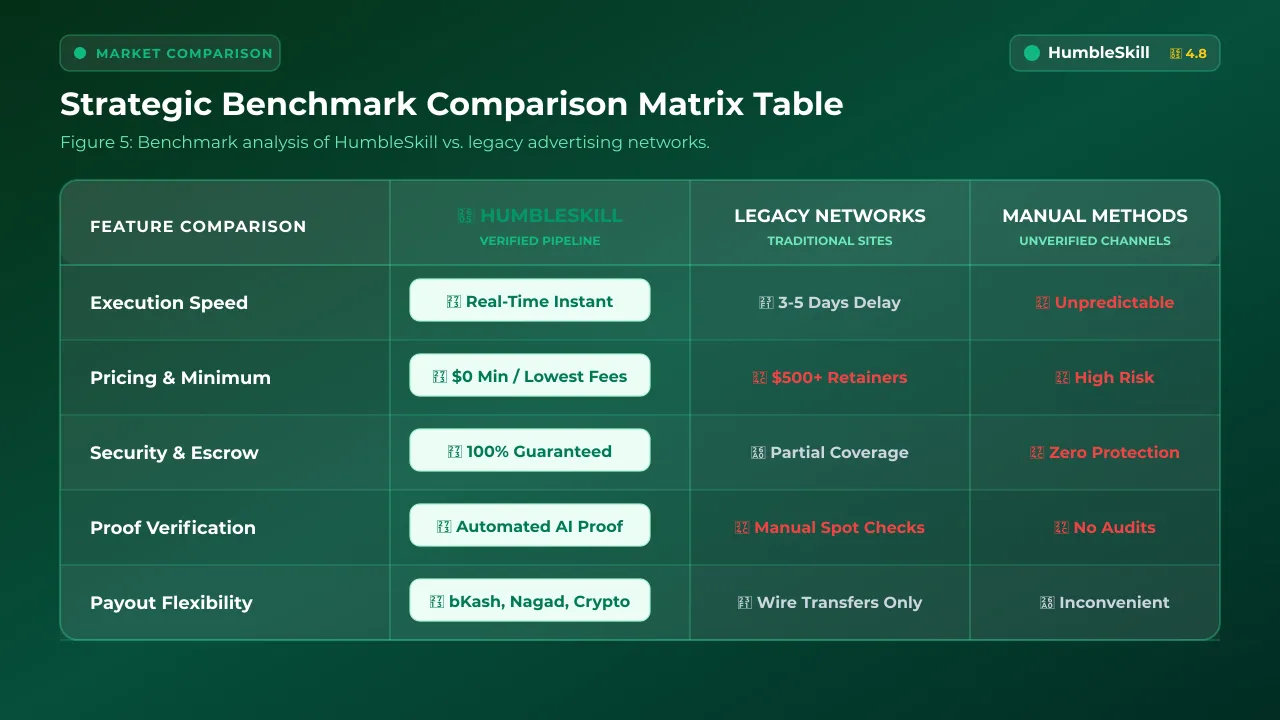
Translating high-level marketing theory into profitable digital real estate acquisitions requires a disciplined, step-by-step methodology. Whether you are executing online advertising for small businesses or deploying targeted website visitor marketing platforms to scale acquisition, haphazardly throwing budget at high-traffic domains is a fast track to wasted capital. Securing high-yielding inventory demands rigorous due diligence, clear performance benchmarks, and precise structural execution.
Navigating the landscape of ad space procurement involves choosing the right acquisition channel, negotiating terms that protect your return on investment, and deploying attribution architectures that reveal your true cost of acquisition.
Direct Publisher Outreach vs. Automated Ad Networks
When you set out to buy ad space on websites, you generally face two distinct operational pathways: direct publisher negotiation and automated ad networks. Each approach carries distinct operational tradeoffs regarding cost, control, and scalability.
Direct publisher outreach involves contacting blog owners, niche publication editors, or webmasters independently.
Automated ad networks, programmatic exchanges, and self-serve advertising solutions for startups streamline this workflow.
For emerging brands seeking affordable online advertising platforms, a hybrid approach often yields the highest ROI. Early-stage ventures can leverage platforms like the Advertise Your Business and Buy Traffic portal to test initial messaging before committing to long-term, direct-media partnerships with high-authority publishers.
Negotiating Placement Terms, Duration, and Pricing
Once you identify target websites that match your ideal customer profile, moving into the negotiation phase requires a firm grasp of digital pricing models. Avoid blindly accepting rate cards. Instead, anchor your negotiations around verifiable performance data.
Traffic verification must precede any financial commitment. Request certified analytics reports or utilize third-party intelligence tools to audit unique monthly visitors, bounce rates, and geographic traffic distribution. Ensure that the audience visiting the site aligns with your specific niche requirements.
When structuring the agreement, establish clear parameters:
1. Define the exact pricing model: Cost-Per-Mille (CPM) for brand awareness, Cost-Per-Click (CPC) for targeted traffic acquisition, or flat-fee sponsorships for fixed durations.
2. Establish strict placement location terms, ensuring your creative sits above the fold or within high-engagement content streams rather than buried in footers.
3. Include performance clauses or exit terms if the publisher fails to deliver the agreed-upon impression volume or click-through thresholds within a specified timeframe.
4. Secure right-of-first-refusal terms for high-performing slots so you can lock in scaling opportunities ahead of competitors.
Tracking Performance Metrics and Conversion Attribution
Purchasing ad space is only half the battle; without watertight conversion tracking, optimizing your campaigns becomes a guessing game. Before a single impression goes live, ensure your analytics environment is properly configured to attribute downstream user behavior accurately.
Implement distinct UTM tracking parameters for every individual placement, banner variation, and landing page. This granular level of tracking allows you to isolate which specific website advertising space is generating paying customers rather than empty clicks.
Monitor key performance indicators relentlessly across the first 72 hours of a campaign. Keep a close eye on your Click-Through Rate (CTR) to gauge creative resonance, and closely track your Cost-Per-Acquisition (CPA) to ensure the placement remains profitable. If a specific domain drives high traffic but yields zero conversions, pivot your budget allocation immediately. By combining stringent upfront verification with continuous attribution tracking, brands can reliably scale traffic acquisition without inflating customer acquisition costs.
Monetizing Website Traffic: Turning Visitors into Revenue

While acquisition strategies focus on drawing eyeballs to your platform, the ultimate test of digital real estate is how effectively you can convert that attention into sustainable income. For publishers and creators, leasing out your website advertising space requires a delicate balance between aggressive commercialization and long-term user retention. Poorly managed banner slots or intrusive pop-ups can destroy page views overnight, driving bounce rates through the roof. Conversely, a carefully structured monetization strategy transforms standard page impressions into a reliable revenue engine. Whether you are looking to monetize website traffic through traditional programmatic networks or diversify into value-added ecosystems, maximizing yield demands strategic layout engineering, performance tracking, and the integration of alternative digital assets.
Optimizing Your Site Layout for High-Yield Ad Impressions
Maximizing the financial return of your website advertising space begins with heat-map analysis and strategic placement engineering. Advertisers pay a premium for viewability—the metric measuring whether an ad is actually seen by a human user, not just loaded below the fold. To achieve high viewability scores without hurting site architecture, publishers should focus on high-engagement zones such as the upper-third sidebar, content-break banners, and sticky footers that remain visible during scrolling.
When configuring your inventory, consider leveraging platforms designed to Advertise Your Business and Buy Traffic to attract direct-response advertisers who value targeted impressions. Implementing asynchronous ad-loading scripts ensures that your core content loads instantaneously, preventing layout shifts that frustrate users and degrade your Core Web Vitals scores. Testing different standard International Advertising Bureau (IAB) dimensions—such as 300x250 medium rectangles and 728x90 leaderboards—allows you to evaluate which formats yield the highest eCPM (effective Cost Per Mille) for your specific audience niche.
Balancing User Experience (UX) with Ad Density
The single greatest trap for growing publishers is over-monetization. Excessive ad density might yield a short-term spike in revenue, but it invariably triggers banner blindness, damages brand credibility, and causes search engines to penalize your domain for poor user experience. Maintaining a healthy UX-to-ad ratio requires strict adherence to industry standards, ensuring that advertisements never eclipse editorial or functional content.
To protect your visitor retention rates while still making money from your traffic, adhere to these optimization guidelines:
Integrating Affiliate Offers, Gigs, and Digital Shops
Relying exclusively on programmatic banner ads often caps your earning potential, especially if your traffic volume is niche rather than mass-market. Modern publishers maximize their digital real estate by weaving proprietary digital products, affiliate relationships, and micro-services directly into their content ecosystems.
You can complement your display inventory by exploring pathways outlined on the HumbleSkill Homepage, where digital commerce meets modern publisher tools. For creators seeking to diversify beyond standard banner impressions, integrating Freelance Gigs and Digital Services directly onto your site transforms your platform from a passive content hub into an active marketplace. For instance, if your website caters to digital marketers or small business owners, you can list custom design, writing, or optimization services. Note: Service packages and pricing are dynamic and subject to update or custom project scopes.
Additionally, publishers can diversify income streams by integrating targeted affiliate links, recommending SaaS tools, or utilizing specialized networks that allow users to Website Surfing and PTC Ads for secondary rewards. By combining traditional programmatic ad slots with a digital shop or freelance marketplace, you hedge against fluctuations in ad network payouts while delivering deeper utility to your audience.
Comprehensive Platform Comparison: Micro-Tasks & Micro-Job Sites

Scaling visibility requires balancing automated programmatic networks with human-powered engagement ecosystems. For emerging enterprises and digital publishers looking to buy ad space on websites or leverage tailored website advertising space, micro-task and micro-job networks offer granular control over user interactions. These platforms allow bootstrapped enterprises and independent publishers to harness real human engagement—such as signing up for services, testing user flows, reviewing digital products, or boosting initial engagement metrics—rather than relying solely on automated crawler traffic.
Evaluating Task-Based Traffic and Engagement Networks
Task-based traffic networks operate by breaking down large promotional campaigns into bite-sized micro-jobs performed by a distributed global workforce. For bootstrapping teams pursuing targeted online advertising for small businesses, these platforms serve as an agile testing ground. Instead of deploying broad-stroke banner ads that may suffer from banner blindness, marketers can design specific actions that directly feed traffic and conversions into their conversion funnels.
The primary advantage of these networks lies in their precision. When you utilize an affordable online advertising platform to distribute tasks, you are paying for verified human actions. However, managing these campaigns requires robust fraud detection and clear instructional design. Workers must follow precise steps—such as searching for specific keywords, navigating to designated pages, spending a minimum duration on site, and capturing proof-of-work screenshots.
Integrating these human-driven strategies into a cohesive growth stack works exceptionally well when paired with direct solutions like those found on Advertise Your Business and Buy Traffic. By combining programmatic reach with human micro-tasks, you build a resilient traffic acquisition model that enhances metrics organically.
Side-by-Side Competitor Feature Matrix (Table 1)
Navigating the landscape of micro-task ecosystems requires a clear understanding of feature sets, geographic distribution, and how specialized networks compare against enterprise-grade options. The matrix below evaluates prominent micro-job platforms alongside the comprehensive engagement architecture provided by HumbleSkill Homepage.
| Platform Name | Core Task Focus | Global vs. Regional Reach | Fraud Detection Level | Escrow & Payout Reliability | Integration with HumbleSkill Solutions |
| :--- | :--- | :--- | :--- | :--- | :--- |
| kajpoka.com | Regional Micro-Jobs | South Asia (Regional) | Moderate | Basic Manual Payouts | Complements localized traffic campaigns |
| workupjob.com | Digital Micro-Tasks | Regional / Emerging Markets | Moderate | Standard Thresholds | Alternative for localized micro-engagements |
| microjob.bd | Freelance & Micro-Tasks | South Asia Focus | Basic | Localized Banking & Crypto | Useful for specific regional task testing |
| banglatask.com | Simple Engagement Tasks | Regional Focus | Basic | Manual Verification | Supplementary for geo-targeted clicks |
| hunterjobwork.com | Task Completion & Surveys | Global / Emerging | Moderate | Standard Payout Windows | Good for supplementary survey generation |
| sproutgigs.com | Micro-Workers & Freelancing | Global | High (AI-driven verification) | Reliable (Multiple gateways) | Direct competitor for global micro-tasks |
| microworkers.com | Micro-Jobs & Custom Surveys | Global | High (Advanced Geo-Filters) | Established & Strict | Enterprise-grade task verification |
| clickworker.com | Content Creation & AI Training | Global / Western Markets | Enterprise Grade | Automated Weekly Payouts | Premium alternative for writing & AI data |
| HumbleSkill | Multi-channel Traffic & Gigs | Global Ecosystem | Advanced Behavioral Analytics | Instant & Flexible Escrow | Unified hub for Earn Money Online via Micro Tasks and multi-channel growth |
Note: Service packages and pricing are dynamic and subject to update or custom project scopes.
Analyzing Payout Reliability, Proxies, and Withdrawal Options
When operating within micro-task ecosystems—whether you are an advertiser buying traffic or a worker fulfilling tasks—payout reliability and anti-fraud protocols dictate the long-term viability of the platform. High-performing networks employ sophisticated proxy detection systems to prevent click-fraud, VPN exploitation, and automated bot scripts from draining campaign budgets.
Advertisers must pay close attention to how platforms handle verification windows. Low-tier micro-task sites often suffer from high rates of false proofs-of-work because their moderation queues rely entirely on manual review by under-resourced support teams. In contrast, advanced platforms integrate automated screenshot OCR (Optical Character Recognition), IP intelligence checks, and behavioral rate-limiting to ensure that every dollar spent on website visitor acquisition yields legitimate human interaction.
Withdrawal mechanics also dictate workforce retention and campaign momentum. Platforms that support diverse payout rails—ranging from cryptocurrencies and regional mobile wallets to international wire transfers and digital payment processors—tend to attract a more reliable and responsive labor pool. For publishers exploring monetization alongside task execution, diversifying into complementary channels such as Freelance Gigs and Digital Services ensures multiple revenue streams while keeping campaign costs optimized and sustainable.
Comparative Analysis: Reward, GPT, and AI Data Platforms
Beyond traditional programmatic networks and contextual display banners, modern digital strategists must evaluate Get-Paid-To (GPT) networks, survey ecosystems, and specialized AI data annotation platforms. These digital environments serve dual purposes: they function as traffic networks where publishers buy ad space on websites to capture high-intent user attention, and they operate as micro-task environments where individuals monetize their spare time. Navigating this landscape requires a sophisticated understanding of how these distinct ecosystems deliver value for both customer acquisition and digital monetization.
Assessing GPT Sites, Survey Networks, and Data Annotation Platforms
GPT sites and reward platforms operate by incentivizing users to complete specific digital actions, ranging from watching promotional media to testing early-stage software and engaging with interactive brand advertisements. For startups seeking affordable online advertising platform solutions, these channels offer a direct route to targeted eyeballs. Users are explicitly motivated to interact with content, resulting in high initial engagement metrics. However, marketers must carefully calibrate their targeting parameters to filter out purely incentivized traffic that lacks long-term brand affinity.
Conversely, AI data annotation and training platforms—such as large language model feedback networks—cater to a fundamentally different demographic. While they occasionally overlap in providing online advertising for small businesses, their primary utility lies in heavy technical data processing, machine learning training, and human-in-the-loop validation. Publishers exploring how to monetize website traffic often integrate GPT widgets or survey walls as an alternative revenue stream, transforming passive site visitors into active participants in market research and consumer panels. Balancing these approaches allows organizations to unlock affordable website visitor acquisition without compromising on audience quality or conversion integrity. For businesses ready to scale these acquisition channels, utilizing an integrated portal like Advertise Your Business and Buy Traffic helps streamline deployment across diverse external publisher networks.
Feature Matrix for Global Earning & Traffic Ecosystems (Table 2)
Evaluating the operational mechanics of leading reward, GPT, and AI data platforms requires a structured comparison of their core functional attributes, primary monetization avenues, and operational models.
| Platform Name | Primary Ecosystem Type | Core User/Advertiser Action | Typical Payout / Cost Model | Best Suited For |
| :--- | :--- | :--- | :--- | :--- |
| ysense.com | GPT & Surveys | Paid surveys, offer walls, micro-tasks | Variable per task; low minimum cashout | Global audience engagement & market research |
| toloka.ai | AI Data Platform | Search relevance, image tagging, ML training | Task-based micro-payouts | Automated labeling & computer vision data |
| timebucks.com | GPT & Social Tasks | Daily polls, viewing content, social follows | Tiered commission structure; weekly payouts | Social media amplification & simple tasks |
| freecash.com | GPT & App Installs | Mobile app testing, gaming offers, surveys | Instant crypto/fiat payouts; high conversion | High-velocity app installs & user acquisition |
| swagbucks.com | Reward & Cashback | Shopping rewards, web searches, surveys | Point-based redemption (SB); gift cards | Consumer product testing & brand discovery |
| remotasks.com | AI Data Annotation | 3D LiDAR labeling, RLHF writing tasks | Hourly or task-based compensation | Complex computer vision & NLP dataset training |
| appen.com | Data & Linguistic Services | Transcription, translation, search evaluation | Project-based billing; enterprise contracts | Enterprise-grade linguistics and search tuning |
| outlier.ai | AI Training Network | Domain-expert coding & advanced RLHF | High hourly rates based on technical skill | Advanced generative AI model optimization |
| dataannotation.tech | AI Evaluation | Prompt engineering, fact-checking LLMs | Per-task validation fees; strict testing | Fine-tuning conversational AI accuracy |
| prolific.com | Academic & Market Research | Academic studies, behavioral surveys | Fair-wage minimum guarantees; fast payouts | High-integrity academic and consumer research |
Choosing the Right Partner for Visitor Acquisition and Task Execution
Selecting the optimal platform within this expansive digital matrix depends entirely on whether your core objective is scaling website traffic for small businesses or participating as a digital earner. Advertisers aiming to drive scalable user acquisition must analyze the retention rate of incoming traffic. While GPT networks provide immediate volume, AI-driven platforms often yield higher-intent micro-interactions due to the cognitive rigor required by their respective tasks.
For digital entrepreneurs and independent professionals who balance traffic generation with digital service delivery, diversifying revenue streams is vital. Alongside deploying campaigns through dedicated reward platforms, establishing a secondary presence via Earn Money Online via Micro Tasks or offering specialized digital services on Freelance Gigs and Digital Services ensures multiple, resilient income channels.
Note: Service packages and pricing are dynamic and subject to update or custom project scopes.
When integrating these platforms into your broader growth strategy, adhere to these sequential optimization steps:
1. Define clear key performance indicators (KPIs) distinguishing between low-cost traffic generation and high-value user conversion.
2. Run micro-budget pilot campaigns across at least three distinct GPT or reward ecosystems to benchmark click-through rates and downstream user retention.
3. Layer audience tracking pixels and conversion attribution tools to accurately measure the lifetime value (LTV) of traffic acquired through incentivized channels.
4. Continuously refine targeting criteria, reallocating budget toward platforms that demonstrate sustainable engagement rather than mere vanity metric inflation.
Affordable Website Visitor Acquisition Strategies
Scaling Website Traffic for Small Businesses on a Shoestring Budget
Achieving sustainable growth when operating with constrained capital requires moving away from high-stakes programmatic bidding and embracing hyper-targeted, cost-effective acquisition models. Traditional enterprise ad networks often price smaller operators out of the market, forcing digital marketers to seek out nimble advertising solutions for startups. To stretch every dollar, businesses must focus on performance-based channels where expenditures directly correlate with verified user interactions rather than blind impressions.
When executing online advertising for small businesses, leveraging an affordable online advertising platform helps eliminate the bloated overhead fees typical of legacy enterprise DSPs. By shifting focus toward direct publisher networks and niche marketplaces, brands can efficiently buy ad space on websites that already cater to their exact core demographic.
Using Residential Proxies and Localized Targeting for Ad Verification
In the modern landscape of digital marketing, protecting your acquisition budget from fraudulent clicks and automated bots is just as important as generating the traffic itself. Advanced operators scaling website traffic for small businesses increasingly incorporate infrastructure tools like residential proxies to audit their campaigns from multiple global nodes. Ensuring that your regional ad placements, landing page localizations, and geo-targeted offers function correctly prevents wasted spend on out-of-market visitors.
Running automated verification checks via authentic residential IPs allows marketing teams to confirm that third-party publishers are delivering the exact inventory paid for. This prevents click-fraud syndicates from draining your funds through automated scripts.
Maximizing Engagement through Interactive Contests and Gigs
Beyond traditional banner placements, brands looking to monetize website traffic and supercharge user acquisition often turn to community-driven tasks and interactive campaigns. Utilizing crowdsourced platforms allows you to buy ad space on websites or commission micro-tasks that actively draw real human eyes to your digital properties. This tactic bridges the gap between passive viewing and active brand participation.
To execute this effectively, you can leverage specialized networks designed to connect digital enterprises with engaged task-doers. You can Advertise Your Business and Buy Traffic through streamlined campaign managers, or tap into vibrant communities where users complete micro-engagements, browse pages via Website Surfing and PTC Ads, and even interact with multimedia content through portals focused on users who Watch Videos and Earn Rewards. Furthermore, tapping into crowdsourced micro-job ecosystems lets you scale community interaction by exploring options to Earn Money Online via Micro Tasks or commission customized promotions through Freelance Gigs and Digital Services.
To coordinate these promotional assets seamlessly while maintaining high operational standards, consult strategic execution frameworks via the HumbleSkill Homepage. When outsourcing promotional tasks or custom gig packages, Note: Service packages and pricing are dynamic and subject to update or custom project scopes.
Leveraging Crypto Withdrawals and Modern Payment Rails
As digital ecosystems expand past traditional geographic boundaries, legacy banking systems increasingly fail to meet the velocity and efficiency demands of modern publishers and advertisers. High cross-border transaction fees, multi-day settlement windows, and arbitrary currency conversion markups can drain profit margins, particularly for emerging brands utilizing an affordable online advertising platform to scale their operations. To bypass these archaic financial bottlenecks, cutting-edge networks are integrating decentralized payment rails and cryptocurrency infrastructure. This evolution empowers publishers to monetize website traffic and receive instant micro-payouts, while providing advertising solutions for startups that need immediate campaign funding without traditional merchant account hurdles.
The Rise of Cryptocurrency in Digital Advertising and Micro-Payouts
Traditional banking networks struggle with the economic reality of micro-transactions. When a publisher earns fractions of a cent per impression or completed interaction through tools like Website Surfing and PTC Ads, routing these funds through wire transfers or standard merchant gateways is financially unviable due to flat-fee minimums. Cryptocurrency changes this landscape entirely. By leveraging layer-2 scaling solutions and stablecoins, digital ad networks can process thousands of micro-payouts simultaneously for pennies in network fees.
Publishers utilizing platforms like the HumbleSkill Homepage benefit directly from this frictionless liquidity model. Whether they are driving engagement through Watch Videos and Earn Rewards or evaluating performance metrics on a specialized website visitor marketing platform, earnings can be swept directly to a decentralized wallet within minutes rather than weeks. This continuous liquidity loop accelerates cash flow, enabling small business owners and solo entrepreneurs to reinvest capital rapidly into new growth campaigns.
Securing Fast, Borderless Transactions for Global Publishers
For global enterprises and localized campaigns alike, geographic borders frequently introduce payment friction. Traditional wire transfers expose participants to currency fluctuation risks, correspondent bank fees, and compliance holdups that can stall marketing momentum. Modern crypto gateways and instant payment rails eliminate these friction points entirely. Advertisers looking to buy ad space on websites can fund their accounts globally using digital assets, ensuring that funds clear instantly and securely without freezing funds in foreign exchange clearinghouses.
This borderless infrastructure is particularly advantageous for brands scaling website traffic for small businesses. When running time-sensitive promotions, delays in ad-spend clearance can result in missed market windows. Modern payment rails guarantee that when a user deploys capital to Advertise Your Business and Buy Traffic, their target website advertising space goes live instantaneously. For digital freelancers and micro-task creators offering services through Freelance Gigs and Digital Services, getting paid in stablecoins protects earnings from local currency devaluation in hyper-inflationary economies. Note: Service packages and pricing are dynamic and subject to update or custom project scopes.
Security, Transparency, and Compliance in Web3 Ad Ecosystems
Integrating blockchain technology into digital advertising introduces unprecedented levels of transparency that traditional systems simply cannot match. Every transaction, impression settlement, and fund distribution executed via modern web3 rails is recorded immutably on a public ledger. This auditability drastically reduces ad fraud, bot manipulation, and intermediary skimming. For companies searching for online advertising for small businesses, this architectural clarity ensures that every dollar spent maps directly to verified human engagement rather than synthetic traffic pools.
Implementing these systems requires balancing decentralization with rigorous regulatory compliance. Leading networks employ decentralized identity (DID) frameworks and automated KYC/AML protocols embedded directly into smart contracts. This dual approach protects platform integrity while preserving user privacy. By combining the speed of digital assets with enterprise-grade security protocols, modern ad networks provide an environment where businesses of all sizes can deploy capital with absolute confidence, securing sustainable, high-intent traffic for the long term.
Frequently Asked Questions (FAQ)
Common Queries Regarding Website Advertising Space and Digital Monetization
❓ How do I buy ad space on websites effectively without wasting budget?
Answer: Purchasing website advertising space requires a systematic approach to target audience alignment, pricing models, and platform reliability. Start by auditing your core demographic and identifying high-authority niche blogs, content hubs, and engagement portals where your ideal customers spend time. Instead of locking into expensive long-term direct media buys, leverage an affordable online advertising platform or a specialized website visitor marketing platform that offers granular geo-targeting and behavioral filters. Establish clear key performance indicators (KPIs) such as Cost Per Acquisition (CPA) or Return on Ad Spend (ROAS), and run small-scale A/B split tests with different creative assets. To scale your outreach securely, you can explore enterprise-vetted routing options like those found on the Advertise Your Business and Buy Traffic hub to pinpoint verified inventory.
❓ What are the best advertising solutions for startups operating on tight budgets?
Answer: Early-stage companies need high-impact, low-risk advertising solutions for startups that guarantee immediate visibility without prohibitive upfront costs. Programmatic networks with low or zero minimum deposit thresholds, self-serve banner ecosystems, and performance-based contextual placement networks are ideal. Startups should avoid legacy enterprise DSPs (Demand-Side Platforms) that mandate thousands of dollars in monthly retainers. Instead, focus on lean networks that provide transparent reporting, flexible budget pacing, and real-time optimization. Founders looking to stretch their marketing dollars while engaging active digital communities often combine programmatic display campaigns with alternative engagement loops, such as exploring income-generating or task-based ecosystems available through the HumbleSkill Homepage.
❓ How can online advertising for small businesses drive tangible local or niche sales?
Answer: For local and lean enterprises, online advertising for small businesses must transcend generic brand awareness and focus strictly on conversion-driven paths. Small business owners should deploy hyper-local geotargeting, keyword-intent contextual banners, and retargeting pixels that capture bounced traffic. By securing ad inventory on regional directory sites, niche trade publications, and localized community boards, businesses can position their value propositions directly in front of buyers ready to transact. Combining these efforts with transparent analytics ensures that every dollar spent on website traffic for small businesses directly correlates to inbound leads, phone inquiries, or direct e-commerce checkouts.
❓ What is the most cost-effective way to achieve affordable website visitor acquisition?
Answer: Achieving sustainable and affordable website visitor acquisition relies on diversifying traffic channels beyond monopolized, high-bidding auction networks like Google Ads or Meta. Savvy media buyers often utilize alternative traffic acquisition strategies such as PTC (Paid-To-Click) advertising networks, contextual text link placements, and direct publisher syndications. These alternative channels offer lower CPMs (Cost Per Mille) while maintaining strong user engagement. For instance, integrating campaigns with platforms that specialize in active user engagement—such as exploring Website Surfing and PTC Ads—allows marketers to secure verified human eyeballs at a fraction of mainstream ad network costs.
❓ How do property owners monetize website traffic efficiently if they run a smaller blog?
Answer: Smaller publishers and independent creators looking to monetize website traffic often struggle to gain approval from top-tier programmatic giants due to strict minimum monthly pageview requirements (e.g., 50,000+ sessions). To bypass these barriers, site owners can deploy lightweight header bidding wrappers, join boutique ad networks tailored to niche verticals, or sell direct-action sponsorships. Additionally, integrating complementary revenue streams—such as participating in micro-task ecosystems or digital promotion directories—can stabilize cash flow. Publishers can discover robust community-driven monetization pathways by reviewing opportunities listed under Earn Money Online via Micro Tasks to diversify their daily earnings.
❓ Can I buy ad space on websites directly from publishers instead of using ad networks?
Answer: Yes, direct publisher media buying—often referred to as direct insertion orders (IOs)—is a powerful strategy for brands seeking prime, un-cluttered inventory. Buying directly eliminates intermediary ad tech fees, ensuring 100% of your ad budget goes toward publisher compensation. To execute this, identify target websites in your niche, locate their advertising or media kit contact page, and pitch a custom placement proposal. This approach grants you greater control over ad creative positioning, exact placement longevity, and customized tracking parameters. However, ensure you use reliable tracking pixels to independently verify traffic quality and conversion metrics delivered by the publisher.
❓ What technical metrics should I monitor when evaluating a website visitor marketing platform?
Answer: When vetting any website visitor marketing platform, you must look beyond surface-level metrics like raw impression counts and focus on deeper verification indicators. Key technical metrics include Viewability Rate (ensuring the ad renders above the fold and stays in the user's viewport), Fraud and Bot Traffic percentage (verified via independent verification tags like IAS or DoubleVerify), Click-Through Rate (CTR), and Average Session Duration of delivered traffic. Furthermore, check if the platform offers transparent domain-level reporting so you can blacklist low-performing publisher sites and reallocate your capital to high-converting inventory segments.
❓ How do digital service marketplaces assist brands in optimizing their ad space campaigns?
Answer: Crafting high-converting banner creatives, landing page copy, and programmatic campaign configurations requires specialized skill sets that internal startup teams might lack. Digital service marketplaces bridge this gap by connecting businesses with vetted freelance professionals who specialize in media buying, graphic design, and conversion rate optimization (CRO). When leveraging these external resources, always review provider portfolios and project scopes thoroughly. Note: Service packages and pricing are dynamic and subject to update or custom project scopes. To source expert digital talent for your next ad campaign setup, browse specialized project listings via Freelance Gigs and Digital Services to accelerate your time-to-market.
Conclusion & Actionable Next Steps with HumbleSkill
Summary of Key Digital Advertising Principles
Navigating the dynamic landscape of website advertising space in 2025 demands a strategic blend of data-driven targeting, budget flexibility, and multi-channel execution. Throughout this comprehensive guide, we have explored how modern brands can effectively buy ad space on websites, harness high-yield online advertising for small businesses, and scale cost-effective advertising solutions for startups. Success in the current digital ecosystem relies on moving away from blind banner impressions toward performance-focused website visitor marketing platforms and reliable affordable online advertising platforms. By prioritizing transparent metrics, precise audience segmentation, and agile campaign optimizations, marketers can consistently lower customer acquisition costs while maximizing return on ad spend. Whether your primary goal is to generate targeted website traffic for small businesses or to strategically monetize website traffic as a publisher, integrating modern technological frameworks remains essential for long-term survival and expansion.
Empowering Your Business Growth with HumbleSkill's Ecosystem
To translate these advanced theoretical strategies into measurable bottom-line results, you need a robust ecosystem that bridges the gap between affordable website visitor acquisition and expert execution. The HumbleSkill platform provides an all-in-one environment designed to empower entrepreneurs, small business owners, and digital marketers alike. Through our comprehensive platform features, you can seamlessly Advertise Your Business and Buy Traffic while tapping into a diverse global community.
Beyond core traffic acquisition, our platform integrates unique earning and outsourcing avenues that fuel sustainable digital growth. You can engage with our community to test user funnels, scale outreach, or execute granular marketing assignments. Explore how our multifaceted platform supports your entire growth trajectory:
Call to Action: Launch Your Campaign Today
The digital advertising landscape moves at a relentless pace, and waiting for optimal market conditions often means losing valuable ground to agile competitors. Now is the ideal time to take direct control of your digital footprint, secure high-converting inventory, and scale your brand visibility sustainably.
Take the first definitive step toward revolutionizing your customer acquisition strategy today. Explore our traffic management solutions, deploy your first high-impact campaign, and connect with skilled digital freelancers who can build out your landing pages, banner creatives, and tracking pixels. Note: Service packages and pricing are dynamic and subject to update or custom project scopes. Set your goals, allocate your budget efficiently, and watch your business thrive within the forward-thinking HumbleSkill ecosystem.