Microtasking is one of the easiest ways to start earning online in 2026 — no interviews, no resume, no long-term commitment. You sign up, pick tiny jobs that take a few seconds to a few minutes, and get paid for each one you complete. This guide explains what microtasking really is, how workers actually earn money from it, the honest pros and cons, and exactly how to start your first task today.

What is microtasking?
Microtasking is the practice of breaking a large digital job into hundreds or thousands of tiny units — called micro tasks or HITs (Human Intelligence Tasks) — and paying independent online workers a small amount for each unit they finish. A task might be as simple as tagging a photo, answering a survey, watching a short video, or verifying a business address on a map.
The idea is powered by crowdsourcing: instead of hiring one full-time employee to label 50,000 images, a company splits the job across 5,000 workers who each label 10. Everyone finishes faster, the requester pays only for completed work, and workers earn micro-payments they can withdraw once they cross a minimum threshold.
How microtasking actually works
Every microtask platform follows the same three-sided model:
- Requesters (businesses, researchers, AI companies) upload a batch of tasks and set a per-task price.
- The platform distributes the tasks, screens workers with qualification tests, and handles payments.
- Workers claim tasks, submit answers, and get credited once the requester approves the work — usually within 24–72 hours.
The most common types of microtasks in 2026
Not every task pays the same, and not every task is right for every worker. Here are the categories you will see most often on modern platforms:
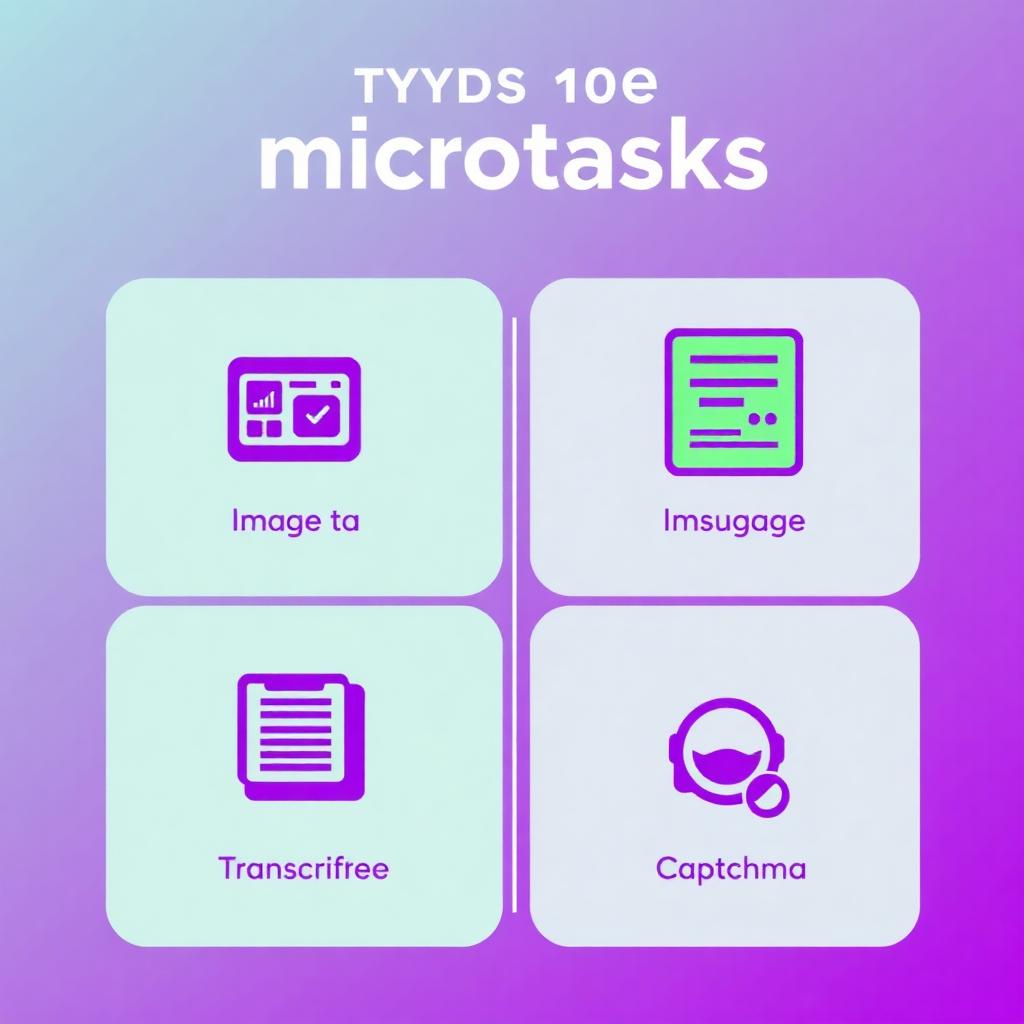
- Data entry & annotation — copying information from documents, labeling images for AI training, transcribing short audio clips.
- Surveys & polls — sharing opinions on products, ads, or apps. Usually the highest paying per minute, but availability is limited by your demographics.
- Content moderation — flagging inappropriate images, comments, or videos.
- Search evaluation — judging whether a search result matches a query, or whether an ad is relevant.
- Watch, follow & engage tasks — watching a short video, following a social account, or leaving a review. Fast to complete and beginner-friendly.
- CAPTCHA & verification — the lowest paying category, but always available.
How much can you actually earn from microtasking?
Honest answer: microtasking is supplemental income, not a salary. A realistic 2026 range for a beginner working on a phone in spare moments is $1–$5 per hour. Experienced workers who batch high-paying tasks and qualify for premium queues can reach $6–$12 per hour, but that takes weeks of building a reputation.
Three factors decide your earnings:
- Country and demographics — some surveys only match specific regions.
- Approval rate — a 98%+ approval rate unlocks higher-paying task pools.
- Consistency — platforms reward workers who show up daily with priority access to new batches.

Pros and cons of microtasking
Before you invest time, weigh both sides honestly:
Pros
- Zero start-up cost and no interview.
- Work whenever you want, from any device.
- Payouts as low as $1–$5, so you cash out fast.
- Great way to learn how the online-earning ecosystem works before moving to freelancing.
Cons
- Per-task pay is small — you must be patient.
- Some platforms reject work unfairly; always read guidelines twice.
- Repetitive tasks can feel tedious after long sessions.

How to start microtasking (step by step)
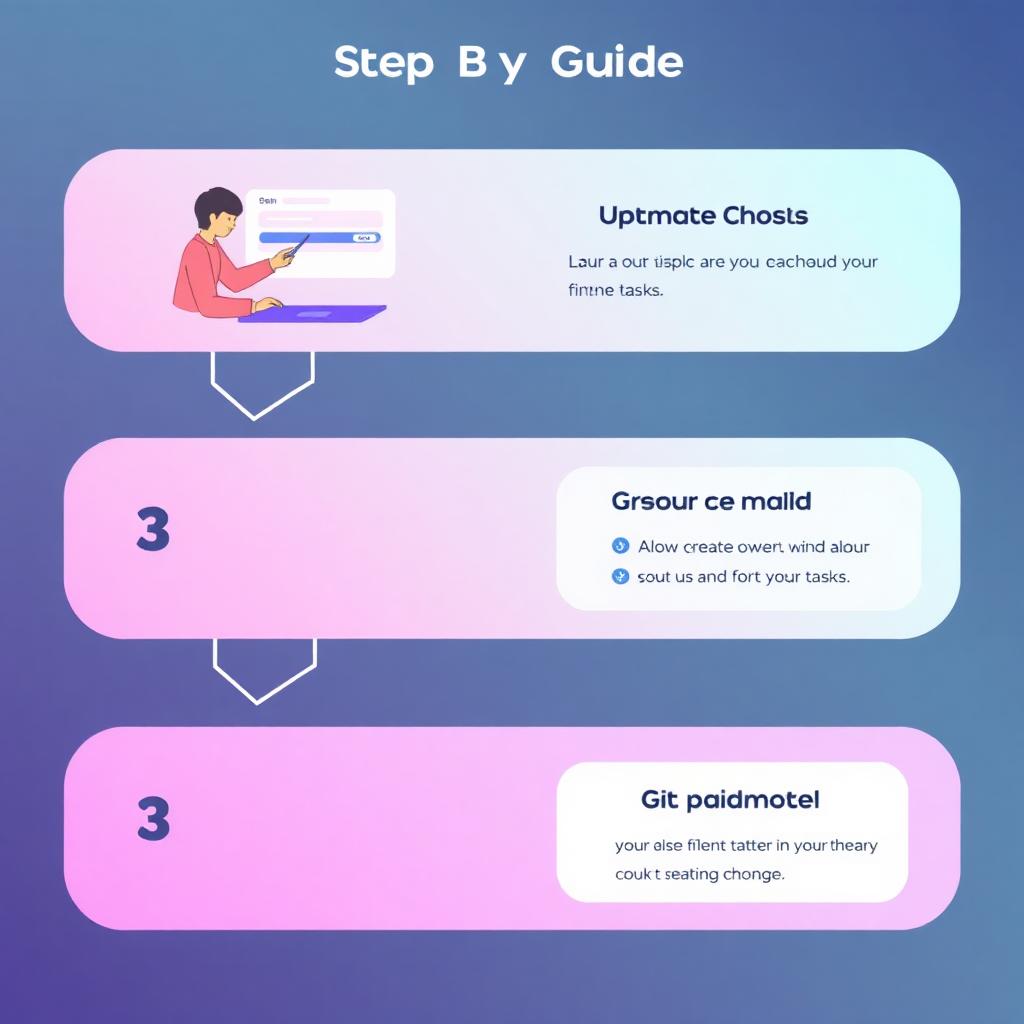
- Pick one trusted platform and finish the profile 100% — including payout wallet.
- Complete the qualification tasks even if they pay nothing; they unlock the real queue.
- Start with fast tasks (follow / watch / review) to build approval history.
- Never accept a task whose instructions you don''t fully understand — rejections hurt more than a skipped task.
- Withdraw early and often. Confirming that money actually reaches your wallet is the best way to trust a platform.
Frequently asked questions
Is microtasking legit?
Yes, when you use established platforms that publicly list requesters and process payouts on a fixed schedule. Avoid any site that asks you to pay a fee to sign up.
Do I need special skills?
No. Reading, following instructions, and being consistent are the only requirements for 90% of tasks.
How fast do I get paid?
Task approval usually takes minutes to 24 hours. Withdrawal to your wallet depends on the method — crypto and mobile wallets are often instant.
Can I do microtasking on a phone only?
Yes. Most 2026 platforms are mobile-first and let you complete every task from a smartphone.
The bottom line
Microtasking will never replace a full-time job, but it is the fastest, lowest-risk way to earn your first dollars online. Treat it as a training ground: learn how requesters think, build a spotless approval history, and use the earnings — and the confidence — to graduate to higher-paying online work.